

What tools do you use to do “Life Planning?”
My professional career is working as a Servant Leader to guide software development teams. And in this work, we use development tools that allow us to easily make changes in near real time. While these tools have been widely accepted and put to use in the software world, they haven’t been explained or gotten much traction in our personal lives. This trail tip is to help explain some of these words and how they can improve the planning of our personal lives. Words such as:
Program Increment is the set time used to define the amount of work that will be completed in a set of four sprints.
Sprint” is a set time period used to get software development completed, typically two weeks.
“Innovation Planning” is a sprint that follows the completed four sprints and is used to do future planning, take classes, and implement process improvements.
A problem with this process is that the Innovation Planning sprint can just become another sprint which is focused on getting previous work completed. This leads to constant focus on development with no opportunity to step back and hit the planning button to refocus on future work to be done.
In our personal lives, you can think of the Innovation Planning sprint as a vacation time or extended long holiday weekend taken over the course of a year. And the question for me became, “What was I going to do on our upcoming vacation time (Innovation Planning)? A vacation that would take us to Nashville and beaches in Gulf shore, Alabama.
I started planning for this upcoming vacation and boy-oh-boy was I going to get all caught up. I had bible reading to catch up on, other books to read, hikes to do every day, and projects to get done at my daughter/son-in-law’s home while visiting them in the Nashville area. As we began the 1,200-mile drive to their home, I started looking at what was ahead of me and I didn’t like what I saw waiting for me. And thankfully, changes were started to come into focus for me as I was driving. My focus went from planning painting to planning games and walks to do with three grandkids (ages, 9 months, 4, and 6) and letting my daughter do the painting. The plans for the long hikes and places to explore on the Gulf shore changed to let’s decide on one book to read and daily naps on beach.
Driving home from the Gulf shore (about 1,500 miles), I had time to process the changes that made this vacation more successful and the word “BUSY” jumped out at me, as I wanted to show how I get things done and how important I am because I have to be busy all the time. “I’d like to go out to dinner tonight but I’ve got this house project in full swing. Yes, let’s get together and play cards, but I’m swamped for the next two month, so let’s touch base and set a date in three months. I’d like to be able to help you with that house project on Saturday but I’ve got my own issues to deal with.” I wear my BUSY badge with pride and honor because I want to show you how important I am with all the busyness I’m doing. And all this gets me pointing back Program Increments/Innovation Planning and how do I make that part of my life?
For me, it starts with Arlene and me planning the four sprints that will happen over the next two months. What do we want to get done, how long will it take, and how much is it going to cost? Then we have ongoing discussions around; are we are target for cost and timing? Moving to the Innovation Planning sprint; a renewed focus needs to take place with what are we going to do during our Innovation Planning sprint? With the first and most important question being; Have we planned the time for the Innovation Planning sprint and where will it take place? Are we doing a three-day weekend in the mountains, a day trip to a local hot springs, or a weekend at home with cell phones and TV off? Once this is determined, we can start planning the books to read, games to play, topics to discuss and nap (REST) time.
What are your plans to implement a Program Increment process with an Innovation Planning cycle into your life? I’d like to hear your thoughts by emailing your reactions to alfred.a.andersen@gmail.com
This and other “Trail Tips” can be found at https://www.linkedin.com/in/alfredandersen and www.alandersen.co
Also, a collection of my first 101 tips have been published in a book and is available at Amazon or you can contact me to get an autographed copy of the book.
















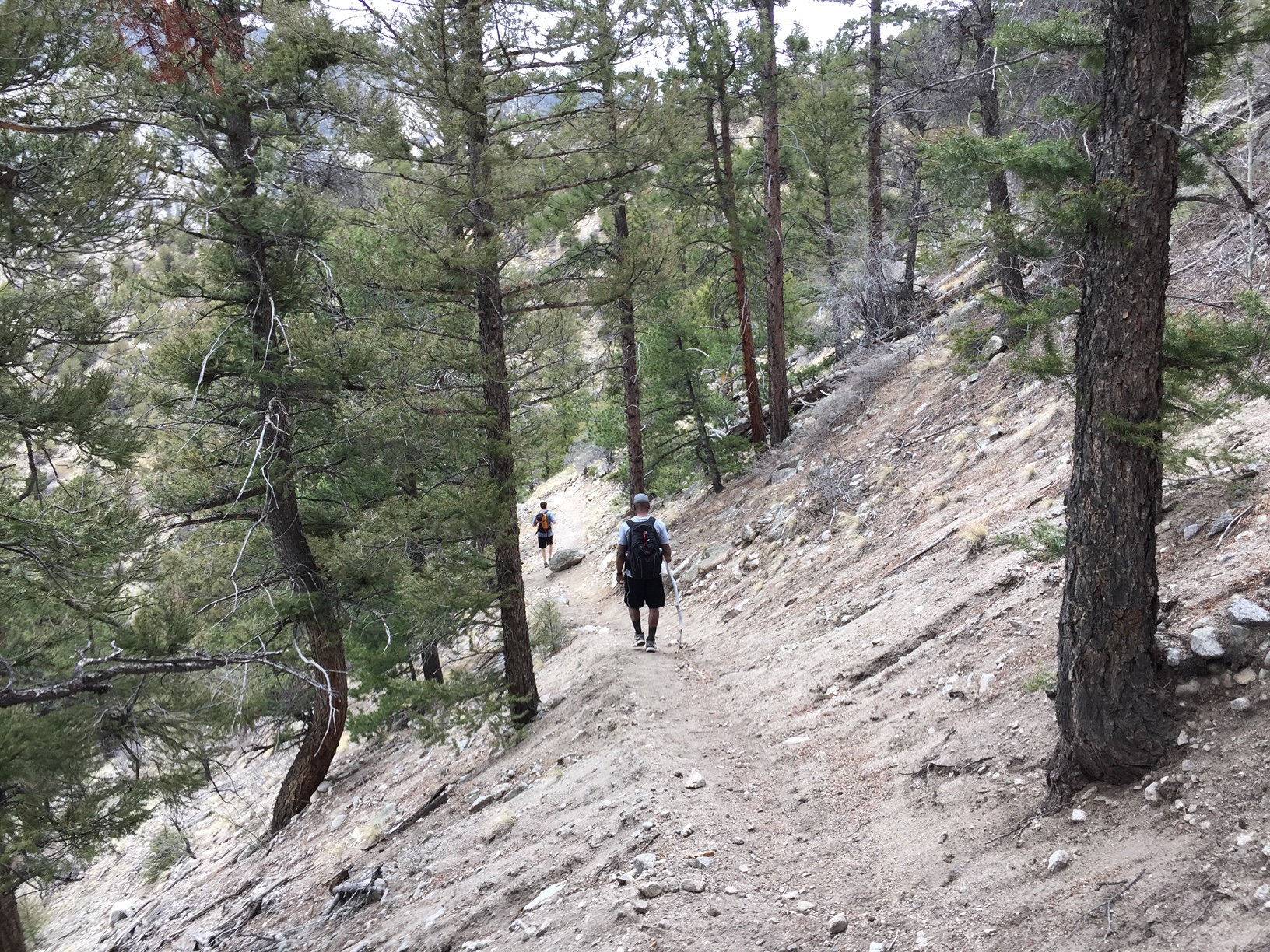 Conventional wisdom tells us the strongest, smartest, most experienced person should always be setting the pace. In hiking it’s the person who knows the trail and is the fastest. In our personal life, it’s the most experienced, showing us how to do something. At work, we get training by having others show us how to do things; with them clicking through the various screens on product training. And especially with our personal and work life situations; it gets done faster when someone else is “doing the work” and we watch them -praying that we remember at least 17% of what they just “trained” us on. But I think it’s time to challenge this conventional wisdom.



 In the movie “Yesterday”, our lead character is a struggling musician in England who gets hit by a bus during a 12 second world wide power outage and wakes in a world with no Beatles, Coke, or Harry Potter. It’s a movie about finding Inspiration, Asking for Help, and Facing Fears/Honesty. With no one knowing anything about the Beatles, he pulls their songs from his memory and rises to fame by being able to remember, play, and record Beatles songs as if they were his own. While the first songs come easy, he has to dig deep for their other songs. Which is where this Trail Tip comes to life.


 Cross Training: t
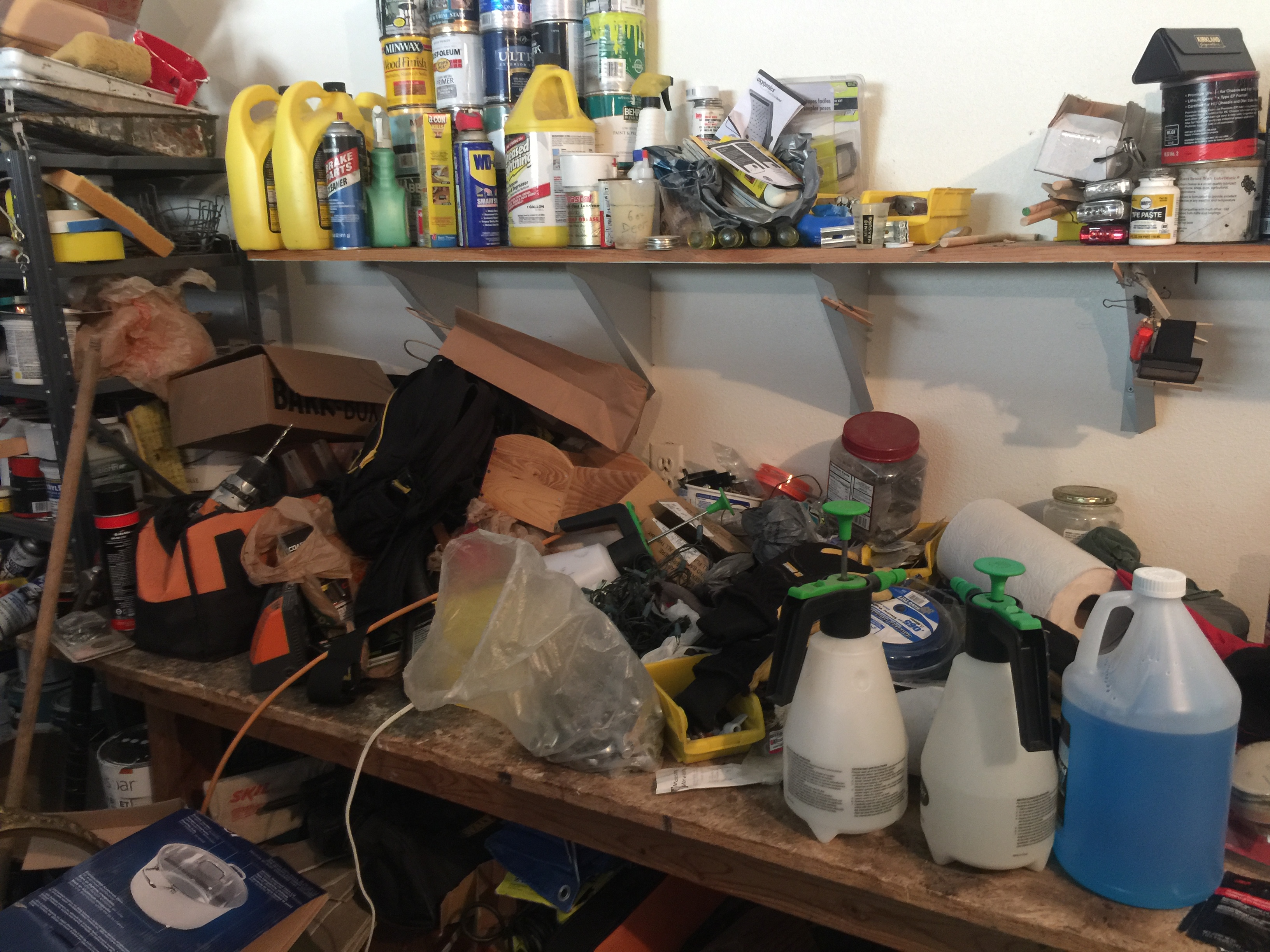 Right now social media is full of tips, resolutions, and blogs on how you can make changes as we start 2019. And I’m not an exception as I’ve pondered how am I going to start 2019 with making changes for the better in my life. My “Aha” moment came to me as I recently spent 15 minutes trying to find something on my work bench a few days ago; which reminded me of the dog sitting on the nail metaphor; where the dog spends the day howling on the porch because he is sitting on a nail, but it doesn’t hurt enough to get up and move. And thus, the question becomes: What nails are you sitting on that are causing you to howl and complain, but it doesn’t hurt quite enough to get you to move and doing something about it.


 Al Andersen