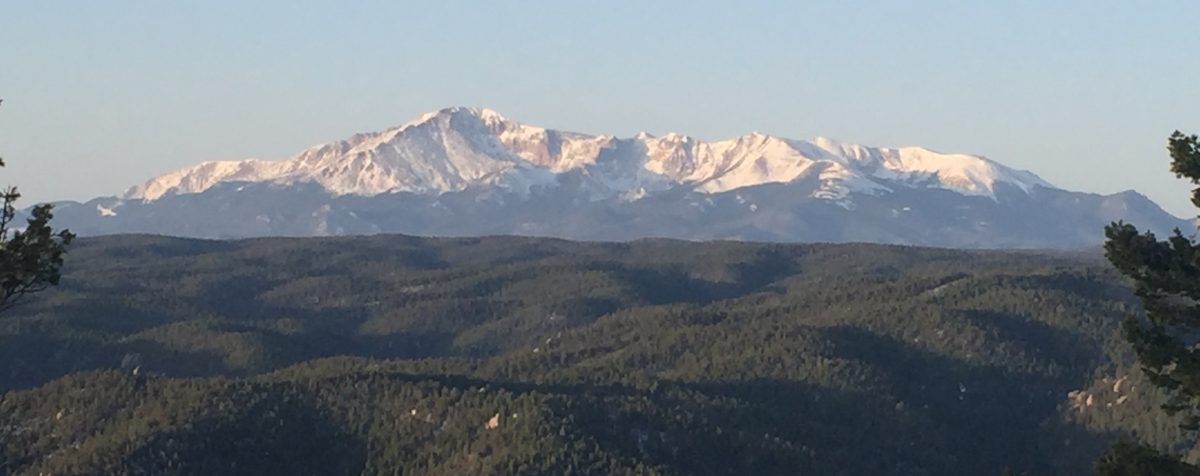
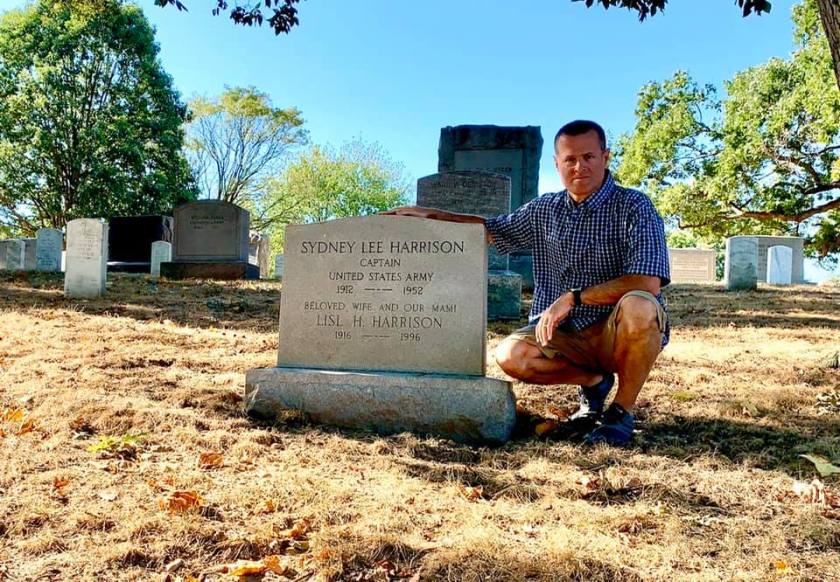
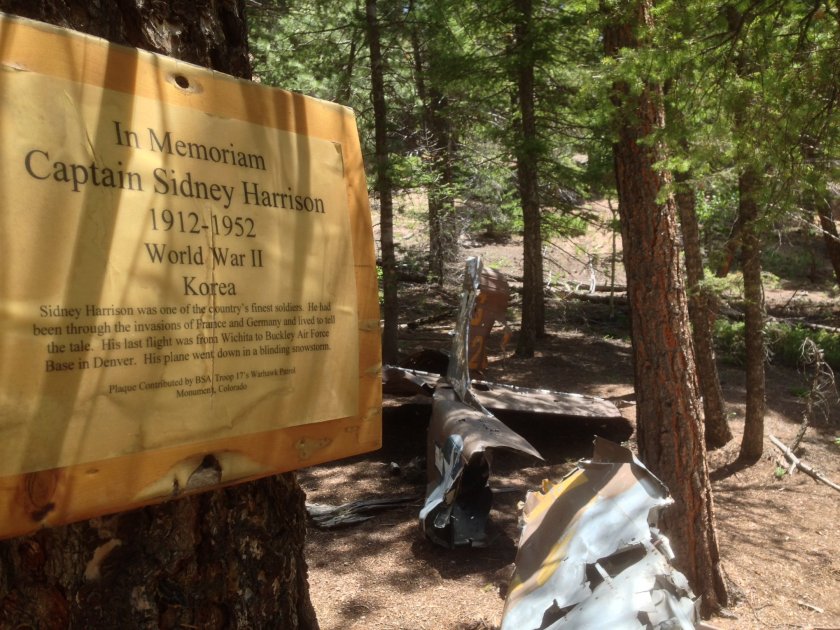
Closure: bringing to an end; a conclusion and for me; it’s the filling in of the missing pieces of a puzzle so you can see the whole picture. One of the more iconic hikes in the Monument/Palmer Lake area is the 12-mile round trip hike to the Captain Sidney Harrison plane crash site, where Captain Sidney Harrison crashed and died in 1952. It is a solemn hike to take as you get there and see the remaining of his plane. Yet, for all of us who have hiked to the site, we have never seen or have very little information about his final resting place; until now… as one of our hiking partners, recently took the time on trip while in Washington DC to find and visit Captain Sidney Harrison’s grave stone at Arlington National Cemetery. Seeing the picture of the tombstone brought closure for many of us as we have visited the crash site multiple times, but have never known his final resting place.
In hiking the Colorado Springs/Monument front range, there are multiple areas where I wonder about things where I wish I knew more information about that would help me see the bigger picture and provide closure. Both on Raspberry Mountain in Monument and on the Section 16 trail in Colorado Springs; there are remains of exploratory mines. Why did they choose those spots? How long did they look? Did they find any traces of gold or silver? These are just some of the questions I often ponder as I hike by those spots. And then there is Fred Barr who built the Barr Trail up Pikes Peak and Barr Camp at 10,200 feet. A common trail and camp so familiar to so many of us, but how many of us have taken the time to learn more about Fred Barr and what he was thinking as he built the trail. What was the hardest part? Did he have any false starts on parts of the trail that he had to redo? Was there anything else he would have completed on Pikes Peak???
In my personal life, I think of discussions I wish I would have had with my older relatives. After his passing, we realized that one of my uncle’s; Clarence Schakat was in the Navy during WWII. How I wish now, I would have taken the time to uncover and learn about his time in WWII. And then there is the history of the towns/cities we live in. What can I learn now, that would provide a more complete picture of where I have lived? Growing up in Omaha, NE. I knew the Union Pacific railroad was big there; but it wasn’t until I read the history of the Transcontinental railroad and how every piece of train track laid between Omaha and Promontory Point, Utah came through Omaha, did I realize the full extent (picture) of the importance it had on the city I grew up in.
At work I think about the history and impact my current and previous companies have had on where I live. During my year at Colorado Springs Utilities, I had the opportunity to visit several plants and learn about the history and planning that took place a hundred years ago. Hiking the slopes of Pikes Peak, you will come across several reservoirs. Many of them built back then to provide water 75 plus years into the future (present day). At many companies, it’s hard to come up with a 5- or 10-year plan and here the Utilities is on a 75 plus year plan. Knowing this history/closure/picture of all these mountain reservoirs gives new meaning and insight to what we see in the mountains on our hikes.
Bringing things to closure is like a seeing a completed puzzle. What are the missing pieces of information that I need to know to be able to see the complete picture of things around me? Granted; there are some things in life where we will never see the complete picture. However, there are many of them where we can find more information on when we start taking the time to ask the questions and look for the answers. For me, it’s going to be about learning more about the life of Fred Barr and going to the Palmer Lake historical society to find out about mining that was attempted on Raspberry Mountain. What questions are you going to ask to find closure in areas of your life?

 Al Andersen