
How often do we pause to think about the risks involved with a task or project we are about to undertake? If you are like me, the answer is going to be not very often. Be it starting a hike, doing a house project, or a client document; my tendency is to just start the effort and say I’ll figure it out as I go along. With the result at times; being a major failure. To change our mindset to think about the risks and controls for tasks and projects, I propose we start to Pause & DRAW, or in other words, pause to do a Deliberate Risk Assessment Work sheet. This military Risk Management process involves: Identifying the hazards, Assessing the hazards, Developing controls and make risk decisions, Implementing controls, and Supervising and evaluate. DD Form 2977, Deliberate Risk Assessment Worksheet, January 2014 (army.mil) https://www.nec.belvoir.army.mil/dol/documents/DRAW.pdf
While I’m not saying we need to fill out this worksheet every time we go something; I am saying my hiking, personal, and work life would look a lot different if I would take time to do some form of a Pause & DRAW on a regular basis before I start hikes, projects, and tasks. Consider these examples.
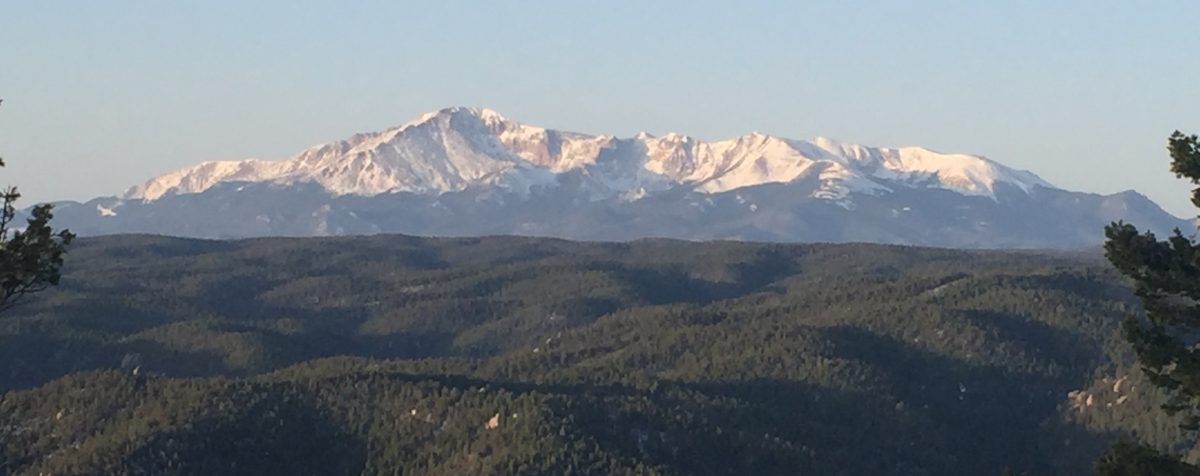
In hiking, hazards include ice/snow, heat, and storms rolling in at the higher altitudes. Take the Manitou Incline: Hazard is ice, Assessment (Risk) is High, Control is foot traction, Implementation is buying traction, and Supervising is must wear traction or don’t do it. Another example is hiking above 10,000 feet: Hazard is weather, Risk is variable, Control is getting specific weather reports for the altitude you are climbing at, Implementation is change of plans (start earlier or change hike) and Supervising is share plans with people who can help you make that Go/No Go decision.
In my personal life, I think of house projects/tasks as where I would be in a different place financially and physically if I would have taken the time to Pause & DRAW. I don’t think of how much having a kitchen remodeled is going to affect our eating out bill. Or the physical cost from not stopping to think about what could happen; if I’m on a ladder cutting a tree branch with a chain saw. The branch is cut, falls on ladder, I jump off ladder, right let is caught in ladder rung…
In my work life: doing a DRAW for client Statement of Work, would be great habit to start. Have I paused to verify the numbers? Do we know ALL the requirements? Will vacations impact the delivery date? Are resources locked in to work on the project will we just try to schedule them in as we go along. Are there other potential projects that could compete with and affect my resources? Am I dependent on outside items that could affect the schedule?
Understanding DRAW, doesn’t mean we need to do one in detail for every hike, project, or work event. However, I do know that my life will be a lot different if I take the time to Pause & DRAW a lot more. And “taking the time” is key to success. Most of my mistakes in life have been caused by not taking the time to properly assess the situation before I start. Let’s begin to do more risk assessments by sharing our DRAWs with others and verbalizing them as a way get into the habit of Pause & DRAW.

 Al Andersen