Becoming part of something Bigger Than Ourselves… A trail tip

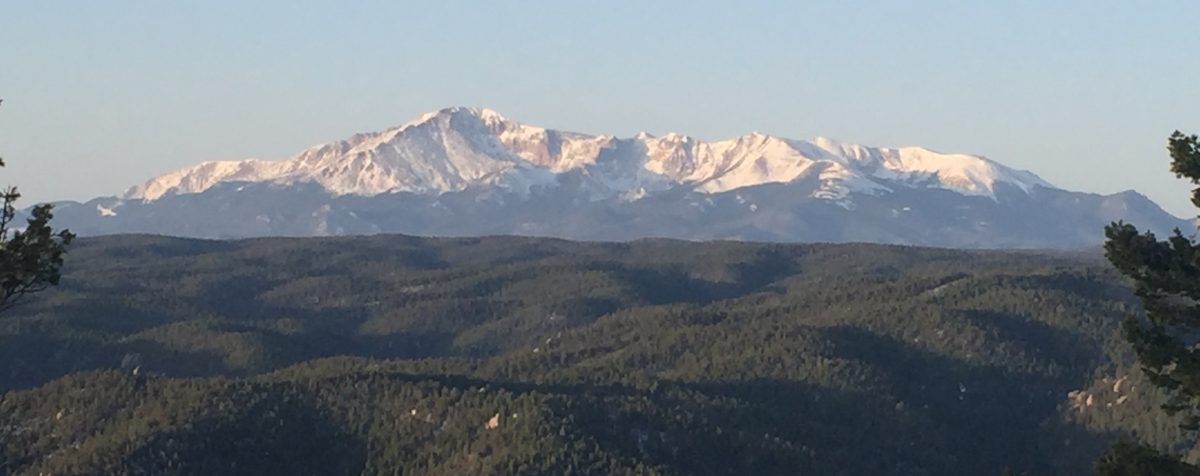
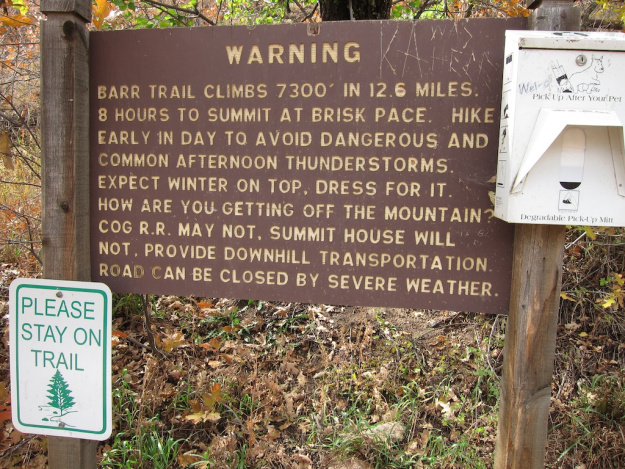
barr trail

Recently we attended a meeting at our church where Pastor Andrew Arndt laid out a vision -in 10 minutes- for starting a new satellite church plant on the east side of Colorado Springs in two months. The room was a buzz as he laid out his vision for the new church and asked us to do three things: Pray, Volunteer to serve for one year, and Give. There was excitement as everyone left and was talking about what they were going to do to support this vision. Into the weekend, I started pondering what was creating the excitement I felt and I came up with this breakdown. 1) The vision was easy to understand and was explained in just a few minutes. 2) The ask was simple: Pray, Volunteer, and Give. 3) Timing: First service in two months. We were all being invited in to become part of something Bigger Than Ourselves. Or as Timothy Ferris in the 4-hour work week has said. “It’s lonely at the top. Ninety-nine percent of people in the world are convinced they are incapable of achieving great things, so they aim for the mediocre.”   In that church meeting, we were being invited in to join with Pastor Andrew Arndt to become part of something big and achieve something great; Bigger Than Ourselves… And so, what are the things we can do in our hiking, personal, and work lives that are Bigger Than ourselves to stretch us.

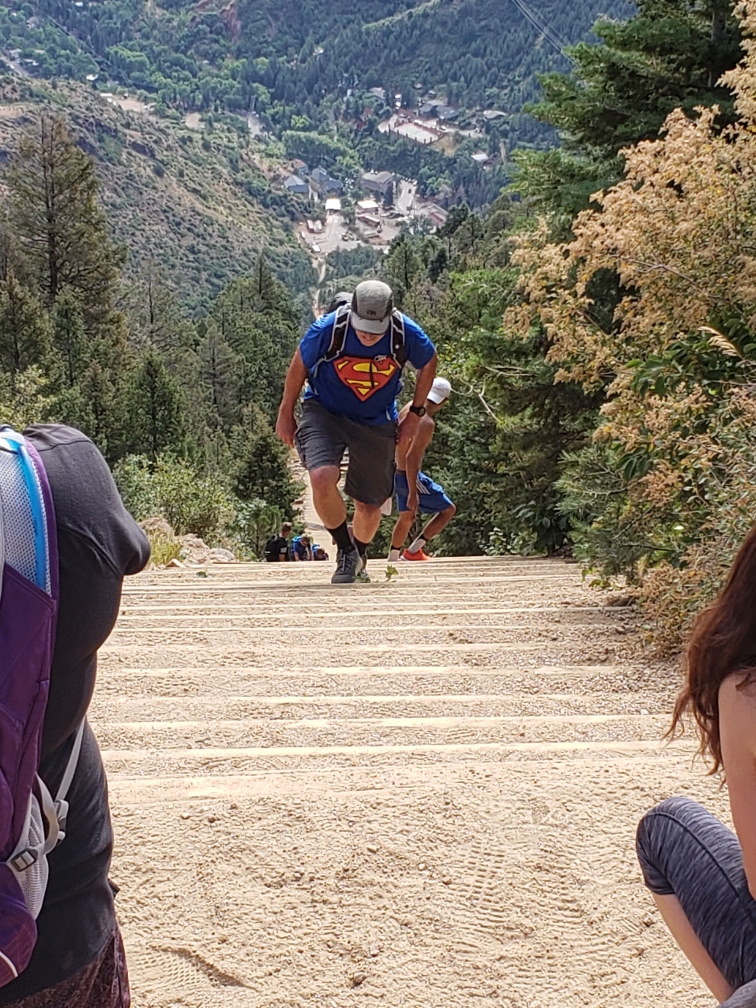
In hiking, it can be a number of things: climb the 14ers, the 12ers/13ers/14ers, Colorado Trail, or even just doing the incline for the first time. That alone can be being Bigger Than Ourselves. For me things that fall into this area have been hiking the Grand Canyon Rim2Rim in one day, and more recently; getting groups of 29 and 26 guys up the incline as part of a Road Trip for Dads with Adopted and Foster Care children. Or it could be being part of a group that repairs or creates new trails; creating something that will last beyond our life time. I think of Fred Barr – the Barr Trail, the team that created the Dixon Trail on Cheyenne Mountain, or Hans Zimmerman who opened up the trail on the east side of Raspberry Mountain and Mount Herman. Trails that will be enjoyed for multiple generations.

In our personal life; it could be; as mentioned above, being part of a new church plant. Or creating art that will last beyond us. For me, I think about how these Trail Tips -this is number 69- will become a book someday.

In our work life, it could be venturing out to start a new business, taking a new job, or volunteering to do something new at work. Recently I volunteered to give a presentation on Understanding Veterans Day at my current place of employment. The response was positive and now later this week I’ll be presenting it to a majority of the employees at where I work.

We all have more opportunity than we think we do to become part of something Bigger Than Ourselves or lead others to become something Bigger Than Themselves. In both cases; it starts with: 1) Having a simple defined Vision or being able to understand the Vision presented to you; 2) Committing the time to make it happen; 3) Staying consistent/committed to the Vision with what part you will play. My vision for writing these Trail Tips was birthed over two years ago with an initial goal to write one per week. While I haven’t been able to stay consistent, I have been able to stay committed. What Vision(s) do you have for your life?   Either ones that you want to lead others in creating or being a part of one that is being created by someone else? What are you aiming for and who are you being accountable to help you get there?
Closure… A trail tip

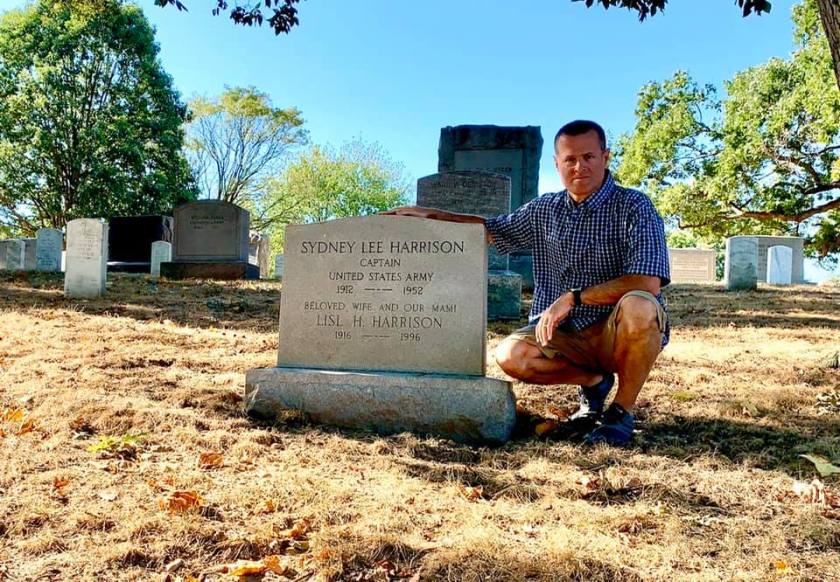
Sidney tomb stone

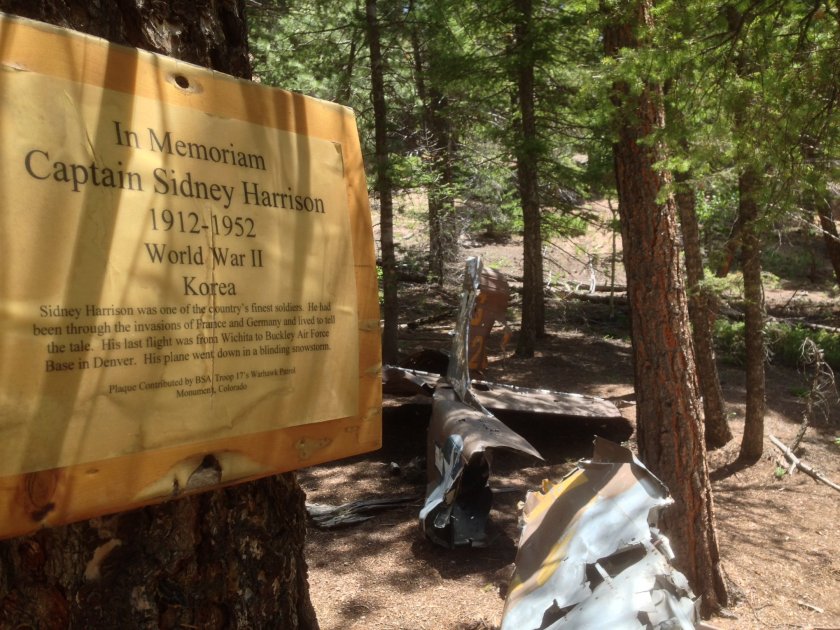
sidney palmer lake

Closure: bringing to an end; a conclusion and for me; it’s the filling in of the missing pieces of a puzzle so you can see the whole picture. One of the more iconic hikes in the Monument/Palmer Lake area is the 12-mile round trip hike to the Captain Sidney Harrison plane crash site, where Captain Sidney Harrison crashed and died in 1952. It is a solemn hike to take as you get there and see the remaining of his plane. Yet, for all of us who have hiked to the site, we have never seen or have very little information about his final resting place; until now… as one of our hiking partners, recently took the time on trip while in Washington DC to find and visit Captain Sidney Harrison’s grave stone at Arlington National Cemetery. Seeing the picture of the tombstone brought closure for many of us as we have visited the crash site multiple times, but have never known his final resting place.

In hiking the Colorado Springs/Monument front range, there are multiple areas where I wonder about things where I wish I knew more information about that would help me see the bigger picture and provide closure. Both on Raspberry Mountain in Monument and on the Section 16 trail in Colorado Springs; there are remains of exploratory mines. Why did they choose those spots? How long did they look? Did they find any traces of gold or silver? These are just some of the questions I often ponder as I hike by those spots. And then there is Fred Barr who built the Barr Trail up Pikes Peak and Barr Camp at 10,200 feet. A common trail and camp so familiar to so many of us, but how many of us have taken the time to learn more about Fred Barr and what he was thinking as he built the trail. What was the hardest part? Did he have any false starts on parts of the trail that he had to redo? Was there anything else he would have completed on Pikes Peak???

In my personal life, I think of discussions I wish I would have had with my older relatives. After his passing, we realized that one of my uncle’s; Clarence Schakat was in the Navy during WWII. How I wish now, I would have taken the time to uncover and learn about his time in WWII. And then there is the history of the towns/cities we live in. What can I learn now, that would provide a more complete picture of where I have lived? Growing up in Omaha, NE. I knew the Union Pacific railroad was big there; but it wasn’t until I read the history of the Transcontinental railroad and how every piece of train track laid between Omaha and Promontory Point, Utah came through Omaha, did I realize the full extent (picture) of the importance it had on the city I grew up in.

At work I think about the history and impact my current and previous companies have had on where I live. During my year at Colorado Springs Utilities, I had the opportunity to visit several plants and learn about the history and planning that took place a hundred years ago. Hiking the slopes of Pikes Peak, you will come across several reservoirs. Many of them built back then to provide water 75 plus years into the future (present day). At many companies, it’s hard to come up with a 5- or 10-year plan and here the Utilities is on a 75 plus year plan. Knowing this history/closure/picture of all these mountain reservoirs gives new meaning and insight to what we see in the mountains on our hikes.

Bringing things to closure is like a seeing a completed puzzle. What are the missing pieces of information that I need to know to be able to see the complete picture of things around me? Granted; there are some things in life where we will never see the complete picture. However, there are many of them where we can find more information on when we start taking the time to ask the questions and look for the answers. For me, it’s going to be about learning more about the life of Fred Barr and going to the Palmer Lake historical society to find out about mining that was attempted on Raspberry Mountain. What questions are you going to ask to find closure in areas of your life?

Seeing Value… A trail tip


IMG_7521 (2)


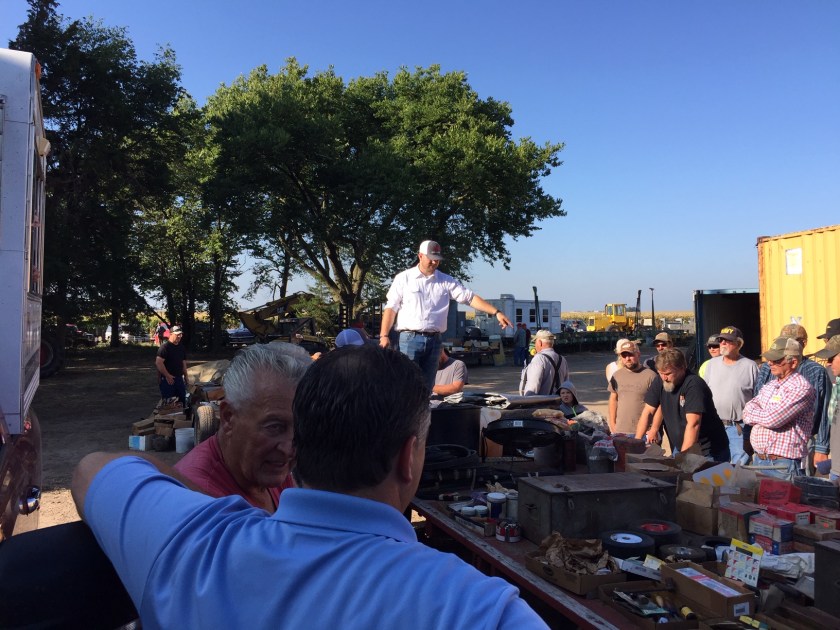
Recently I attended the Equipment Auction of my brother-in-law, James Anderson, who passed away last December. Arriving at the homestead, there were rows of farm trucks, antique tractors, irrigation pipe, piles of metal, and 5 flatbeds full of stuff. And I began to wonder; who is going to buy any of this stuff because I DON’T SEE THE VALUE IN IT. Any yet as the auction started, things began to sell and by time the day ended, everything was sold. I then started helping the buyers load their treasures and strike up conversations with them. In one case, there was the person who bought several antique cream separators. Asking about them, he told me he cuts off the tops and uses the bases for custom end tables. An idea that never would have crossed my mind. Then there was the person who bought the horse collars and that person is using them as frames for mirrors and pictures. And I initially missed all this because I was jumping to conclusions and not seeing the value in other people’s: goals, talents, dreams.

In hiking I tend to get focused on what I value; exploring the Pike Peak Region front range and leading groups on hikes in this area. I look at the people having goals of: doing the incline 500+ times in a year, doing all the 14ers or 12ers and 13ers, or the ones doing the Leadville 100-mile race. And I think “Why”. Just like I saw the people buying things off the farm auction trailers and I wondered “Why” until I began to hear their stories. Now I want to take time to reach out to people I heard doing the incline XXX times or the peaks, and ask them “What drives them”, “When did you start”, “What value do you get out of doing these things”. And in understand the value they see; it will help me better understand the value I have in the things I do.

In our personal life, we see value in people and the things around us. Here again, we tend to make quick decisions about the value of people by: their job, their looks, their house, what they drive, where they live, etc. Nothing brings this home better than the story of “William Crawford, a janitor at the United States Air Force Academy in the 1970s. To the academy cadets, he was “just a janitor” and no one paid attention to him, greeted him, or made eye contact with him. Then while doing research on WWII and the Allied campaign in Italy, the light bulb went on and one cadet said “Holy cow, you’re not going to believe this, but I think our janitor is a Medal of Honor [recipient]”. And after that, the cadets and everyone in Colorado Springs saw the “Value” of William Crawford in a whole new way; as they began to understand his story. How much time do I take to understand the life and story of those around me?

In work, we tend to place more value those in upper management and the CEOs who have risen to “Rock Star” fame. We study them and try to emulate them, hoping their “value” will rub off on us. We can get down when we start to compare our own value against others at work. One answer here is to do a self-evaluation and realize that we ourselves have value with who we are and what we can offer to others.

Seeing the value of those around us starts with taking the time to understand and hear the stories of those around us. It’s removing the filters we see the world with and seeking to understand not what people do, but why they do it. And then processing that information to be enriched by the lives of all those around us. Who are you going to reach out to in your hiking, personal, and work life to understand the value of why they do what they do?

Self-worth… A trail tip

IMG_7432

Self-worth “the sense of one’s own value or worth as a person; self-esteem; self-respect.”, from Dictionary.com

I got a Franklin Covey Time Management System at work this past month and part of it focuses on life goals and priorities. Key to this; is understanding the four quadrants of time management.

  1. Important – Urgent: emergencies; important meetings, deadlines, etc.
  2. Important – Not Urgent; relationships, exercise, personal development, etc.
  3. Not Important – Urgent; emails, interruptions, phone calls,
  4. Not Important – Not Urgent; Time wasters, TV, etc.

The question of how do I see my self-worth comes into focus when I look at: “How much time do I spend on the Important – Not Urgent? Do I value myself enough to allocate the time to take care of myself?”

In hiking, it’s been said that the key to staying in shape in Colorado, is to hike 3 times a week, doing a total of 15 miles and 4,000 feet vertical weekly. Something that only take about 6 hours a week. Not a lot of time, but over a year it becomes 720 miles and 192,000 feet of vertical climbing. Yet how often do I not do this? [More than I care to admit.] We let other people or other activities take priority in our schedule and crowd out the hours in the day. Or we make excuses because we don’t want to feel the pain of a given hike. Having hiking buddies can be key to keeping this commitment. Take time to ask yourself: What is robbing your self-worth and preventing you from getting out to hike or exercise? Re-committing to your self-worth is one way to prevent from being robbed.

In our personal life, my self-worth becomes a balance struggle of personal/work, projects/family time, TV/book reading. In all cases, I need spend more time asking myself, where does this fit in with my self-worth. Am I spending the time on things that show I value my self-worth? Am I turning off the TV early enough to spend time reading or to get more sleep? Am I committing to relationships that will build me up or am I letting others drag me down?

In work, do I value myself enough to want to advance my career and stay current? Do I carve out time for taking online classes, read our company product releases, or research upcoming trends? At work, this is the hardest thing to do because so much of our days are filled with the Important – Urgent items. One way to overcome this, is to block out time on our schedules each day. It can start with 30 minutes a few times a week or an hour once a week. Granted, we will ALWAYS get the interruptions that overlap on our time, but we can start and work on adding more consistency.

How important are you to yourself? Do you value yourself and know the self-worth you have? Hiking, Relationships, Learning new skills are all important for our self-worth. And while they may not seem urgent at the time, I believe we need to start treating them as urgent because your and my Self-worth is key to living a successful healthy life.

Inspiration, Asking for Help, and Facing Fears/Honesty… A Trail tip

IMG_4005 (1)In the movie “Yesterday”, our lead character is a struggling musician in England who gets hit by a bus during a 12 second world wide power outage and wakes in a world with no Beatles, Coke, or Harry Potter. It’s a movie about finding Inspiration, Asking for Help, and Facing Fears/Honesty. With no one knowing anything about the Beatles, he pulls their songs from his memory and rises to fame by being able to remember, play, and record Beatles songs as if they were his own. While the first songs come easy, he has to dig deep for their other songs. Which is where this Trail Tip comes to life.
Inspiration: After the initial easily remembered songs, he looks for inspiration to bring out the emotions and memories to put together the pieces of other Beatles songs. Here he visits: Strawberry Fields, a church and other Beatle inspired locations to get the emotions, which pull out the memories of the songs. In hiking where do you go for your inspirations needed to get you back hiking? Are there favorite trails, overlooks, etc.; from hikes in the past that help you renew your passion for hiking? In your personal life, where do you go when you can’t seem to get it all together? Are there friends, a book, a movie that reminds you of your calling and purpose? Movies like “The Rookie” and “It’s a Wonderful Life” are just two that come to mind for me. At work, what do you do to when you are at a loss for what you can do to get back on track? Are there classes to take, a different assignment, taking a holistic view of everything you have in your job and realizing it better than you think?

Asking for Help. In one scene during the movie, he has a breakdown while singing the song “Help”. Who do you reach out to for help in your: Hiking, Personal, and Work life. In hiking you need people who have gone before you and have done those hikes. A great resource also is 14ers.com which is both a web page and Face Book page. In your personal life, it’s critical to have those life-long friends who can you reach out to for help?  [And in the movie, it is a long-time friend that helps him.] At work, do you have mentor or work colleague from over the years? Someone who knows your strengths, successes and challenges you have had to over-come.

Facing Fear/Honesty. In the movie, our character comes across two people who begin to follow him and make hints that they know his secret about how he is writing all these songs. When finally confronted, they too; admit they remember the Beatles, Coke, and Harry Potter. But instead of threatening him, they encourage him to continue playing, which leads him to coming out with how he came up with all the songs, and of course, also winning back his girlfriend. What are your fears and what honesty do you need to face in your in your Hiking, Personal, and Work Life? For me: a lot of these fears center around thinking: I’m not fast enough on trails with others, I’m going to make wrong or bad decisions in my personal life, or I’m not smart enough at work. All self-talk defeating thinking; which is not true. Facing our Fears and being honest; isn’t easy to do, but by “Asking for Help”, we can begin this journey of not living in fear and walking in honesty with ourselves and those around us.

Going to see Yesterday, has rekindled my passion for writing and has taken me back to my dreams of what these Trail Tips can provide: inspiration for your journeys on the Trail, Personal, and Work Life. Where are you today? Are you needing: Inspiration, Help, or the ability to Face the Fears in your life? It starts with asking for help and having someone in your life to help you. Or as the Beatles put it:

Help me if you can I’m feeling down
And I do appreciate you being round
Help me get my feet back on the ground
Won’t you please please help me

Getting in the arena and being energized… A trail tip

IMG_1908

One last trail tip from the movie Free Solo, so spoiler alert; stop reading if you want to see the movie before you read this tip, otherwise; read and enjoy, as we finish this trail tip series by starting with some quotes from the last part of the movie.

“Alex is having the best day of his life. Not me, I’m done.” Quoted by one of the camera operators who filmed Alex free soloing up El Capitan.

“Good to see you again. Feels so good. So delightful. What a journey. After 8 years of dreaming. Never smiled so much. Mountain doesn’t look so scary. Exactly what I hoped for. Didn’t compromise anything.” Quotes from Alex Honnold after his successful assent of El Capitan.

“What is next [for today]” a camera person asked Alex. “I’m going to hang board (practice my exercise routine).” Replied Alex. “Normal person would have taken the afternoon off.” Was the camera person’s reply.

Both the camera operators and Alex were experienced the same event, but had totally different perspectives because of their view points. Like the camera operators, we are becoming a much more spectator-based society, sitting on the sideline watching TV, YouTube, reading exploits on Facebook, or other social media sites. We get the rush and become exhausted; without really ever doing anything. As the camera operator said “I’m done, and Alex is going back to practicing his skills with hang boarding.” Alex wasn’t exhausted from the climb (being in the arena); he was energized!

Watching Free Solo reminds us yet again, that while we will never do anything like free soloing El Capitan, we do need to spend more time in the arenas of life and get off the side line. And this starts with setting goals to get us into the arena.

In hiking -especially in Colorado- the goals seem limitless: doing the incline for the first time or the 500th time, knocking out 14ers, completing the Colorado Trails, exploring the numerous trails around Pike’s Peak. Or having a goal in another state, like hiking the Grand Canyon Rim 2 Rim in one day. It’s setting goals and starting to work on them one hike at a time; which can take years to complete. Alex didn’t free solo El Capitan the first time he saw it. Rather it was a goal 8 years in the making.

In our personal life, goals are all over the place and we can unfortunate become spectators too easy. Think of the popularity of all the home improvement shows. It’s a lot easier to watch all these rehab shows instead of picking up the sledge hammer and start knocking down those walls and cabinets. (I hope my wife doesn’t read this Trail Tip and hand me a sledge hammer.)

In work, it’s easy to let others take the lead, to be the point; while we only support and observe from the side lines. Leaders are energized and consumed with passion and the next steps for their causes as they are in the arena. Alex was focused on the next hand/foot hold, and then the next one, etc. He wasn’t being distracted by the thought of failure or other events around him. Which in our case at work would be watching for emails, phone calls, or non-relevant meetings.

“Ninety-nine percent of the people the world, are convinced they are incapable of achieving great things, so they aim for the mediocre.” Timothy Ferriss, The 4-Hour Workweek. And so, we sit on the sidelines, watching others achieve their greatness in the arenas of life. Yet, they come away energized and we are emotionally spent “I done” from just watching them. What are the goals and dreams you have for your life in the areas of hiking, personal, and work life? When are you going to get into the arena and start fighting for them? Looking back at El Capitan after he climbed it, Alex said “The Mountain doesn’t look so scary”. And after your success in the arena, you too will be saying, “that wasn’t so scary, let’s get another dream and goal…”

Having Fun when you want to… A trail tip

IMG_1556

Another trail tip from the movie Free Solo, so spoiler alert; stop reading if you want to see the movie before you read this tip, otherwise read and enjoy.

“I hate Holidays… I like having fun when I have fun. I hate being told when to have fun.” Alex Honnold from the movie Free Solo. And while I’m not here to bash holidays, birthdays, or other events that take place each year, Alex does make a very good point here that we can learn from and apply to our hiking, personal, and work life. That’s because holidays can be a very depressing time for many of us as we let the media hype of holidays get to us and we realize we are going to fall short of the expected results. And this can cut across most of the emotionally charged holidays: New Year’s Day, Valentine’s Day, Mother’s Day, Father’s Day, Thanksgiving, and Christmas Day. And you can throw in your Birthday or Wedding Anniversary as well (just ask Mike Harrington). I think Alex is saying, why do I need to be happy or have fun on “these days”. Why can’t I be intentional about having fun on other days of the year.

In hiking we plan great hiking events with others around holidays. For me; Thanksgiving is about doing Blodgett peak with a buddy and Christmas Eve has become doing the incline with family; and always with a stop at Rudy’s BBQ when we finish. But to Alex’s point, why am I not intentional about doing the “extras” when I’m hiking on other days. This hit home to me after a recent hike with a group of 10 people to Mt. Buckhorn and Mays Peak. One person in the group suggested we go to Rudy’s BBQ for lunch afterwards but I became the only one to join in. But if we would have been doing this around Christmas, I bet half the group would have joined in. Let’s not wait for a special time of the year to continue the moment of a hike. Take time to grab a sandwich or drink after ANY hike with your crew.

In our personal life, holidays can be very depressing because we tend to see and focus on all the inadequacies of our lives when we compare them to social media postings and advertisers telling us what we need to be happy and have fun. Even our birthdays can be depressing as we wait for the birthday greetings that may never come from siblings, children and friends. Like Alex said: “I hate being told when to have fun.” And the pressure that comes from that. Let’s be intentional about having fun with others throughout the year. And while we can’t do it with everyone we know; we can do it with our closest inter circle of friends and with the next layer beyond that: a short phone call, meeting for coffee, lunch, dinner, an evening of playing cards, getting away for a weekend or even a hike. It’s having a variety of ways to have fun with friends and family throughout the year and being INTENTIONAL about creating these moments.

In work, we have the Christmas Potluck, Christmas Party, and other group lunch outings we try to cram in during the month of December. But why limit these team building events to just one month. Why not make them events that happen year-round? And let’s keep them simpler: a spur of the moment gets together for lunch or short notice for a potluck meal at lunch time. It’s about creating “fun” events year-round, instead of at just specific times when everything is going on.

Holiday and other important days are special to remember and celebrate throughout the year. But let’s not limit ourselves in celebrating: life, family, and friends on just these special times. Become intentional about creating memories with others throughout the year. Let’s have fun when we want to have fun!

Visualizing your Moves and knowing when to Stop… A trail tip

el-capitan-picture to use

This trail tip comes from the movie Free Solo, so spoiler alert; stop reading if you want to see the movie before you read this tip, otherwise read and enjoy.

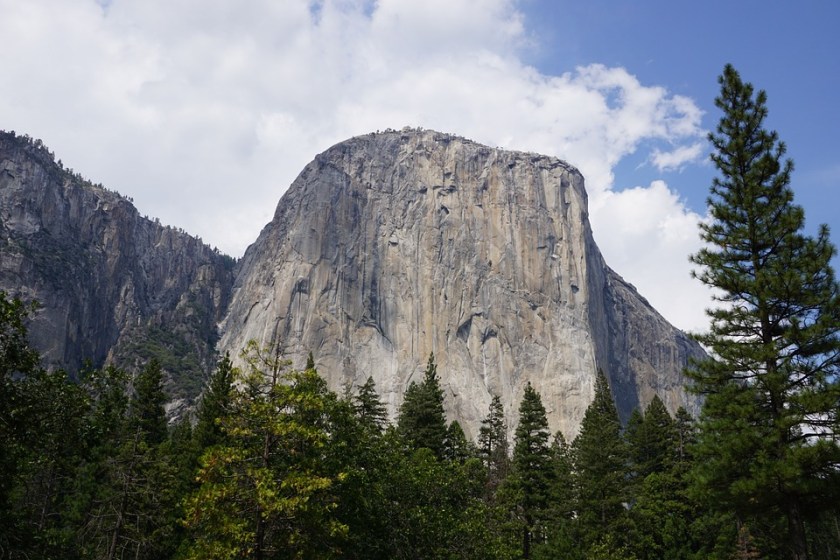
The movie Free Solo is about Alex Honnold’s successful ascent of the 3,000-foot Freerider route up the granite face of El Capitan. Climbing it alone and without a rope or other devices to help him, he is the first and only person to ever do it. Keep in mind the first time El Capitan was climbed it took over 45 days. He climbed it in under 4 hours. And like watching any good adventure movie, the trail tips and lessons to learn flooded my mind as I watch this fascinating movie. Here are two of them…

Knowing when to stop and bail. Alex first attempted this in November of 2016, climbed up 600 feet, and realized that it wasn’t right. So, he climbed back down and called off the climb. But he wasn’t the only one this affected. There were camera crews set up on the bottom, other camera crews (with ropes) had started up before him and others who repelled down from the top; to be in position to film this climb. How often do we start something that involves other people, has our pride resting on it, or we create an artificial deadline; and we keep going; knowing in our gut it’s not right and that we should stop. For me, I don’t stop on August 15, 2013 when I “had” to get all these tree branches cut down and was 5 feet up a step ladder, cutting a branch with a chain saw. The branch falls on the ladder, I jump, leg gets caught on the bottom step, and I’m laying on the ground with my right fibula and tibial broken in several places. But then there is the time I did stop when attempting to climb Mt. Elbert (tallest peak in Colorado). I got leg cramps, fell behind from the group, and was about a half mile when the summit when I saw the lighting storm coming in from a distance, I knew I wasn’t going to make, and got down to tree line just as the storm came in. So, Alex stopped on that November day and came back 7 months later, starting climbing again, and made history.

Practice and visualize your moves. Alex knew every section of the route he was climbing and practiced with ropes the hardest sections 10 to over 90 times, taking notes after each session on what worked and didn’t work. He isn’t taking anything for granted. At one point in the movie, he’s in his van acting out the moves he needs to make for a given section. I’m thinking he is visualizing what success looks like as he is climbing that section. How much time do we prepare, practice, and plan the routes we are going to be going through on a given day? In hiking, I used to go out and do trails with a minimal amount of gear because “I knew” the trail and it was only 5 miles. Then I met Randy Phillips, who would do the same route with me, but had a fully loaded pack because he did practice, visualize the route, and was prepared for any number of things that could (and do) go wrong on any hike. In work, I’m currently unemployed and looking for a new position. Here I’ve started to practice and visualize the job interviews. For interviews, it’s practicing the questions, knowing the company, using LinkedIn to know the interviewer, and having my information organized when the interview starts.

Several times during the movie, the analogy of this feat was made to “either you win the gold medal or you die, so plan accordingly.” While nothing in our lives will ever be this dramatic, maybe it’s time to start taking our planning a lot more seriously and start asking those preparation questions. This morning I was giving some trail advice to a couple in from Kansas City for the weekend. After I helped them determine the route to take; I asked some basic questions about: having traction, first aid kit, gloves, poles, etc. And all the answers were no. So yes, I just loaned them my day pack for the weekend. It reminds me that every encounter is worth taking the time to prepare for because I know preparation is the key to great outcomes. For Alex it was successfully free soloing El Capitan, for us, it can be any number of things in our lives.

Pride, Shame, Embarrassment, and being Thankful…. A trail tip

Shame

To varying degrees, we are all Prideful with things we have done in our hiking, personal, and work lives. And for me, the more prideful I am, the more shameful I start to feel when my achievements fall apart, come crashing down on me, and I don’t know how to respond. Then the Embarrassment feelings start up and it gets worse. The question is how should I (we) respond to these life events that cause Shame and Embarrassment; and not let them drag us down? It can start with looking for that glimmer of hope, having a thankful attitude, creating a new opportunity, and making them a larger part of my life.

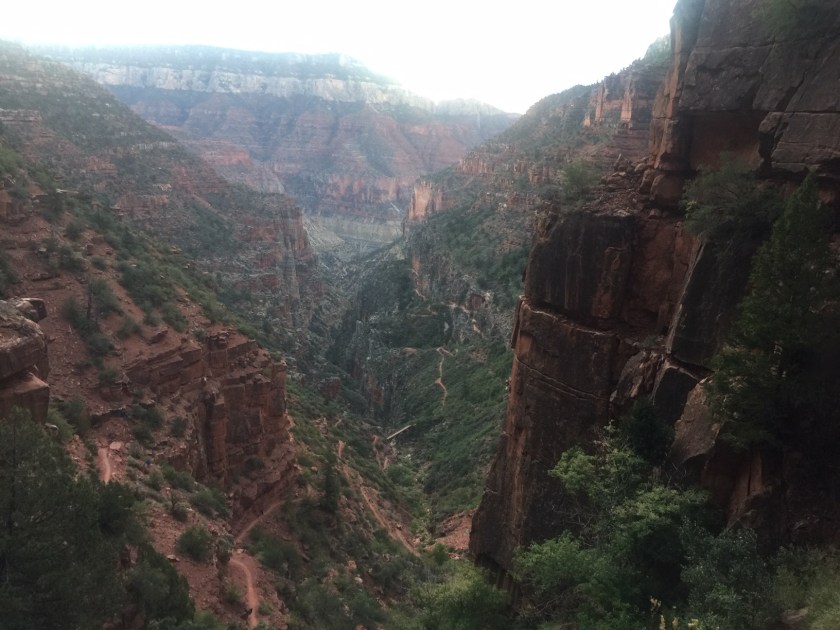
In hiking, my fitness has been my pride. Thinking I’m in great shape and can perform “flawlessly”. This was the case for my Grand Canyon Rim to Rim hikes in 2016 and 2018. I organized the trips, trained hard, did the right things to prepare, and yet; I became the slow one on both trips with severe thigh and leg cramps as we climbed the last few miles out of the canyon. And not to mention, having dry heaves on the first trip. Not exactly the image I wanted to show during these hikes. Still I was able to complete the hikes, everyone made it safely, and they had stories to tell of a bucket list hike completed. Here Shame and Embarrassment can be stifled by focusing on the positive results of the trip (aka event), being thankful, and sharing my weaknesses; which gives me hope for new hiking challenges and provides encouragement to others.

On the personal front, we often show our pride in talking about the closeness of family members, how great our kids are doing, or how perfect our social and financial life is. We create these unrealistic visions in our minds of what our lives should be like. But what happens when it doesn’t turn out that way? And I might add, I think it gets harder as we get older because we are running out of time to go back and “fix” everything and “everyone.” I’m finding a key here is to start with a thankful heart and verbally expressing it as I start each day with a focus on what next steps, I’ll be taking verses looking back. I can’t change the past, but I can change the future and be thankful for what I do have today.

In work, my pride comes from the jobs I’ve had. And it tends to be one of the first things guys always say when they meet another guy for the first time. “Hi, my name is Al and I’m a Senior IT Project Manager at ______. What do you do?” But now my response has become “Hi, my name is Al and I was laid off last month….” I may not want to know what they do because it may be a really cool job that I wish I had. The Shame and Embarrassment hits everyday when I wake up knowing I don’t have a job to go to, where I can provide for my family. The mind shift for me has to become: what are the new opportunities that this lay off can provide me, what new flexibility does it provide to my schedule, and how do I treat this time off as a gift to use? An example of this came to life as on a Thursday when I was able to take my sons to the Denver Auto Show in the middle of the day, which had less crowds and a lot less traffic. This lay off time is also giving me the opportunity to do a closer examination of what do I really want to do with the rest of my life? Things I wouldn’t be able to easily do, if I was working full time.

Having and expressing a thankful attitude is key to overcoming hard events that can drag us down in our hiking, personal, and work lives. We can either live in the Shame and Embarrassment of these events or choose to move forward with a grateful heart. And it’s not something you do on your own. It’s sharing the journey of these events with others close you, that allows the words to come out and the healing to start.

What are your False Beliefs… a trail tip

300px-USS_Tautog_SSN_639

Image what it would feel like to be part of something that you could never talk about and then finding out 30 years later it wasn’t true. Or coming home from being on an extended assignment and not being able to tell your family about the most important thing that happened during your time away. And that is what happened on June 20th, 1970 when the USS Tautog Attack Submarine was trailing a Russian missile submarine (K-108) in the Pacific Ocean and they collided. Sonar operators on both subs heard noises sounding like the other sub had sunk. But instead of surfacing to search for survivors to exchange: name, rank, serial number, and insurance cards; they both hurried home and were told to never tell anyone. Then with the breakdown of the Soviet Union, the truth was revealed that both subs; while seriously damaged, made it back to home ports with no loss of life. Which gets to this Trail Tip about what False Beliefs are we believing now and how can we prevent them.
In hiking, a lot of my false beliefs are around the conditions; it’s too cold, too hot, too dark, too early, too cloudy, too far, too… Or thinking I’m not fast enough, I’m tired, or no one wants to hike with me. Then someone or some event pushes us over the hump, we go out and do it; then find ourselves catching a sun rise above the clouds on the Manitou Incline and saying to ourselves; “why didn’t I do this hike at this time years ago…” So what false beliefs are stopping you from getting out on the trails?
In our personal life, a lot of false beliefs come from the rushed judgements we make because we don’t have all the information or we don’t take time to get all the facts. Like the submarines that collided and didn’t stop to check on each other, we rush off and make our instant decisions that we carry around for years weighing us down. I remember laying on the ground after I broke my right tibia and fibula in 2013; immediately thinking I’ll never hike again and would have to use a cane; a belief I held for months. Family and friend relationships are damaged for years because we have made judgements without getting all the facts. We think it’s easier to carry false beliefs for years instead of taking the time to ask the hard questions right away. Or as Timothy Ferriss says “I believe success can be measured in the number of uncomfortable conversations we are willing to have.” What false beliefs are you carrying because you haven’t asked the hard questions?
In work, I think many false beliefs come from our lack of confidence in our abilities and skills. We don’t apply for the assignment, the new job, ask for help or start the new business because we think we will fail. So often we would rather settle for mediocre then aim for greatness. Then years later, we get a taste of what it would have been like, and then wonder why we wasted all those years. What false beliefs are holding you back in your career and what steps are you going to take to break out of them?
We all live with various false beliefs in our hiking, personal, and work lives. The first step is to acknowledge them and find a confidant that you can tell them to; someone who will hold you accountable to the actions you need to take to break free of them. Then create action plans and goals to dismantle these false beliefs. Doing these hard steps will set you free from the load of them on your mind and enable you to move forward to new levels of growth across these areas in your life.

For more information on this story of the USS Tautog; see the book “Blind Man’s Bluff, the untold story of American Submarine Espionage.”