Going Further… A trail tip

further

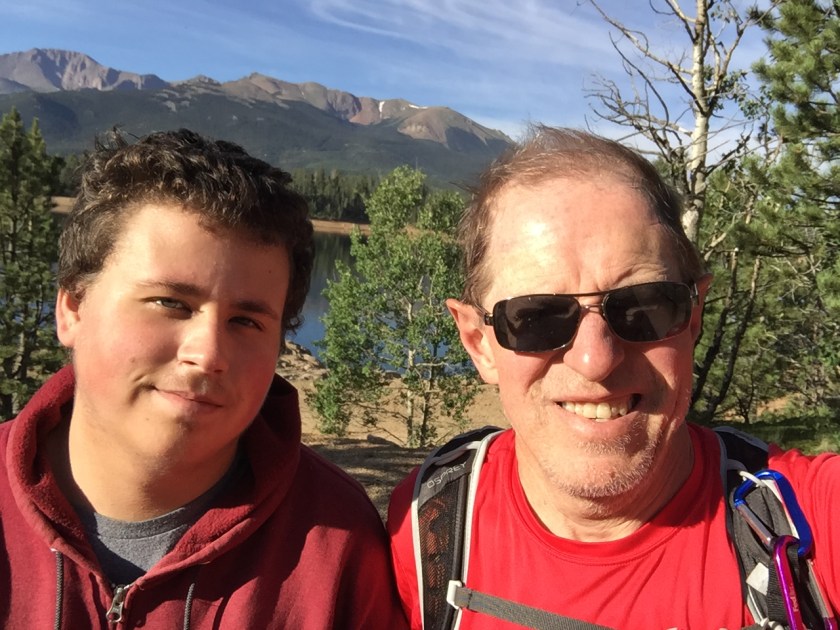
My pastor Brady Boyd has said that “You may go faster by yourself, but you will go further with others.”  I always applied that to hiking, thinking I can hike faster by myself, but I will hike greater distances with others.  Then I hiked with my son, Austin today.  And we didn’t go further; we even stopped shorter than my primary goal.  Which got me thinking what does really mean to “go further”; as I’ve always thought of it in the context of going a greater distance.  But it much more than that.  It can be something different on a parallel plane.

On my hike with Austin, we didn’t go a further distance, but we did take our relationship to a new level   We built new memories with humor, discussing goals, plans for next hikes, building new trust with each other.  He promised to keep hiking with me and I promised I would not sing to him on any hikes until after we hike the Grand Canyon Rim 2 Rim in October.  We both realized that him hiking the GC R2R, is going to be a lot easier than me not singing to him for three months.

In my personal life, I think I can go faster by myself on projects.  “It’s hard to schedule with others, we are too busy, we don’t want to ask for help, I can do this by myself.”  As I thought today about “going further”, it’s not in making it a bigger project, or giving it more detail.  It’s again about building memories with others, getting to know a part of someone that was unknown before, making that special moment that can trigger emotions with just a few words.  I can mention “garden rocks” to my cousin Joyce and she will know exacting what I mean, “barn roofing” to Mike M. and he will remember helping me with his sons, “kitchen” to Roi or “wedding anniversary” to Mike H.  All events that have built a history that is taking our relationships to new levels.

In work, there is the ever-increasing pressure to get things done faster.  Make the best use of conference calls, avoid the chit-chat.  Get to the point and get it done faster.  And now with the Covid virus, face to face meetings have become a thing of the past.  Yet when we take the time pause to get to know each other better during one-on-one conference calls, we can see projects going further than initially planned.  Dr. Phil in his book “Life Strategies” has said “People like people (and want to do business with), people who like them.”  Take time to get to know who you interface interact with at work.

In the midst of our Covid isolation and pressure to get things done faster; I would challenge you to slow down and have intentional engagements with others. Look for ways to get others on hikes with you, ask for help with projects around the house, and take time to build community at work.  You will be surprised about how your relationships will go further than you ever thought possible.
Be Contagious…. A Trail Tip

contagious

The Coronavirus outbreak which started in Wuhan, China is now affecting people in pretty much every country in the world. It is passed by close contact with others and demonstrates that what we pass onto others -both bad and good- can impact countless others who we will never meet. It’s a Trail Tip to remind us of the “good” impact we can pass onto others by close contact. Knowing that my actions will not only affect those I come in contact with, but these actions will be copied and pass on…

In Hiking, what are the positive things I pass onto others I hike with and see on the trails? Do I take the time to wait for others that are slower than me? Do I take time to greet others on the trail and look for body language that might reflect they are lost or don’t know where they are going? Am I flexible to adjust a route hike when others want to explore a trail that may just be new to them? Do I offer to lead and invite others to go on hikes with me? And do I set an example by picking up discarded items on a trail and make sure I pack out everything I take on a hike?

In my personal life, I pass on things to family members, neighbors, and others in my community. Which, like the case in Wuhan, starts local but has a world wide impact. Do I notice the small things that family members do around the house and call them out to praise them? Do I take time to get off the couch to greet family and other people when they come to our home? My dog, Auggie runs to greet EVERYONE!!! Do I pass on common curtsies when I’m out and about? Pay it forwards come to mind here.

At work, what am I passing onto others? Here my attitude and body language speak LOUD and CLEAR. Or as my wife, Arlene has told me. “Look in a mirror and watch how your facial expressions come across.” At work, we tend to formalize our Scorecard/performance reviews; having them on a structured schedule. The spread of the coronavirus isn’t structured and neither should be our responses to others. When someone does a good/great job with an internal or external interaction/deliverable (small or large), take a minute in the moment to let them know how well they performed. When someone is having a bad day or a bad meeting, take time to offer them some comfort with their favorite food or beverage (within work policy limits of course). But to do this, like the coronavirus, you have to be “close to them”, to know what they like.

Both good and bad, we touch others with our lives every day. Some things are spread without us thinking about them and other require deliberate action to spread them. And it not just spreading it to one person. Our actions and attitudes are copied and spread to several others down the human chain of life. What are you going to spread to others today, this week, this month, this year?

One thing…. A Trail Tip

dingo bobcat

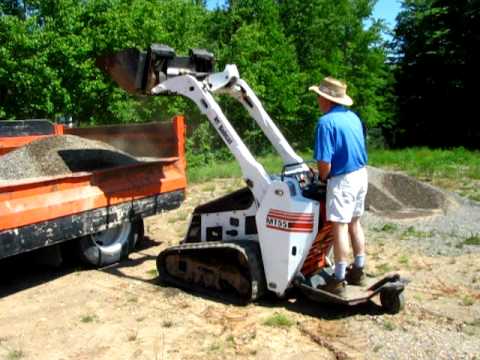
Last week I was having a reflective moment on projects I’ve done outside on the different homes we have lived in and I began to think about the tools I’ve rented and wish I would have bought that would have been the most beneficial over the years. The one that always comes up; is that I wish I would have bought a “Dingo bobcat”. Which then triggered thoughts on what is the one -well maybe two or three- things that I should buy or being doing in my hiking, personal, and work life that are/will make the most impact in these different areas of my life. And these could be things or actions that I’m all ready doing or need to do.

In Hiking, it’s been the Pocket Pal trail maps of the front range, which show the all the trails in a given area with details of directions to the trail head, directions on the trail, elevation, and difficulty. I like the paper copy version because it makes it easier to show to others that are with you and the digital copy shows you, your location in real-time. The other item that has been the most helpful is having good traction to wear. Micro spikes are great for giving solid traction on ice and snow. Hiking in the elevations of 7,000 to 9,000 plus feet on a regular basis, I find myself using them from October to May.

What are the one or two items you have or things that do that make the most impact for your regular hiking?

In my personal life, this trail tip is making me think about things I should be doing on a more regular consistent basis. The first one is getting enough sleep at night. We think “let’s do just one more thing before we go to bed”. Then we suffer through the next day because of it. The amount of sleep we need varies by person and I believe that whatever that number is, we are not hitting it. The other one is taking the time to connect and pray with my wife each night before the day ends. I get so focus on making sure “I have everything planned out to start the next day”, and yet skip the most important thing of praying with my wife.

What are the few things you can be doing differently that will have the most impact on your life? Or maybe it’s even getting that “Dingo”.

At work, I’ve been able to make new connections and existing ones stronger by getting outside of my defined work space group. Here it’s been providing presentations on the Cultural Significance of Memorial Day/Veteran Day and organizing hiking outings; both local and to the Grand Canyon for a Rim2Rim one day hike. We talk a lot about building trust at work, but nothing lives it out like giving your car keys to a co-worker at 5:30 am on the North Rim of the Grand Canyon and knowing they will drive 210 miles to the South Rim to pick you up in 12 hours while you hike 27 miles across the Canyon. The area I know I need to focus on this year; is taking time each month to learn technical details on the projects I’m Project Managing. I let the busyness of the days blend into each other and don’t stop to do product learning. It’s something I need to block on my calendar on a regular basis.

What things have you done this year at work to improve your environment? Are there one or two things you should be doing, but haven’t started yet?

When it comes to making improvements in our hiking, personal, and work life, we often create a laundry list of all these items. Then we set back, take a look at everything and then give up before we even start. We fail to realize that even doing one or two things can have a huge impact. I’d like to hear the one or two things that you are doing or plan to do this year to improve your hiking, personal, and work life.

This and other “Trail Tips” can be found at https://www.linkedin.com/in/alfredandersen and www.alandersen.co

How did we get here…? A Trail Tip

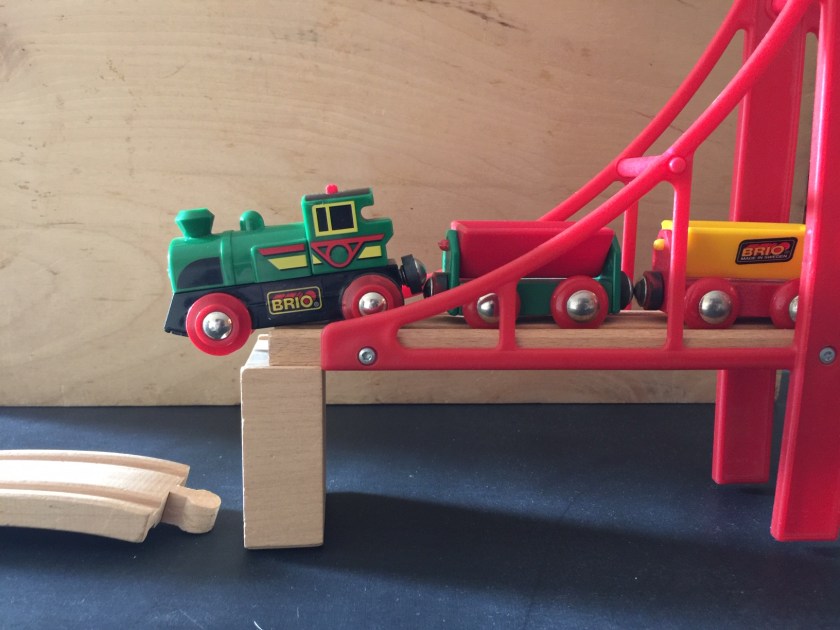
out of control train

“The Man in the High Castle” on Amazon Prime tells the story of an alternative reality where Germany and Japan win World War 2 and occupy the United States of America. In the last episode the main male character, who was a US Army soldier had become the U.S. leader of the Reich and his wife has now joined the resistance (unknown to her husband). Both are now on a high-speed train heading to a destination, that goes on a bridge, where the resistance has placed explosives to kill them. In this scenario the wife starts asking her husband these questions: How did we get here? When did we cross the line to go from being Americans fighting the Nazi to becoming them? How did we become such evil people that that we are killing our friends who are Jewish or Black?   Where and how does this end for us? As I start the New Year, my reflection of the past year, makes me ask these same types of questions in my hiking, personal, and work life.

In hiking, Have I strayed off course in any ways? Has my hiking become obsessive to the point that it affects my family time? Have I become over confident and am starting to take risks that I would have never taken before? Examples of this include: Doing new trails for the first time by myself, Going on trails by myself that and not telling anyone, Not taking my backpack or taking it without having the 10 Essentials, Not getting the proper rest between hikes.

In my personal life, have I strayed off course? What is my relationship with my spouse, children, and friends? Are there wrongs and hurts from the past year that need to be addressed? Are there financial issues that need to be corrected? Am I staying within my budget? How is my rest: Am I getting enough sleep? Do I do intentional rest?

At work, have I picked up any habits that are not healthy for me? Am I taking too long of lunch hours? Have I started coming in later and leaving earlier? Am I spending time on my phone when I should be working? How much time do I spend multitasking at work? Do I use company resources to surf the internet? Am I glossing over areas that need more detail?

Timothy Ferris in his book: The 4-Hour work week, says: “I believe success can be measured in the number of uncomfortable conversations we are willing to have”. This Trail Tip can lead to a lot of those uncomfortable conversations. The question is: Are you and me willing to have them? And what will be the cost to us if we don’t have them?

Carrying what you don’t want to have to use… A trail tip

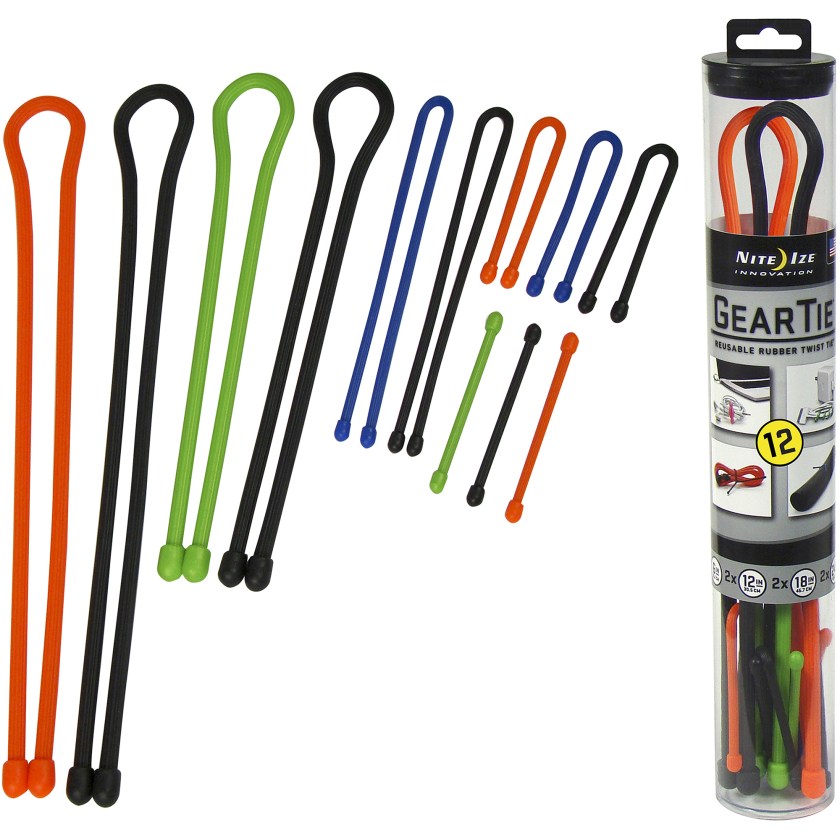
gear ties walmart

As part of becoming a more prepared hiker, I’ve talked to several more seasoned hikers; aka Randy Phillips among others, about what gear I should always carry with me. One of the things Randy specifically mentioned a year ago was to get a set of Gear Ties. Getting them as a Christmas gift a year ago, my family wondered why I would ever need them, and after carrying them for 11 months, without using them once; I started to wonder that has well. Now in the course of four days, I have needed them twice to fix traction gear for people I was hiking with. And without having them, we would have had to cancel the hikes. We are encouraged to be prepared for the unexpected events in life, but so often we don’t want to make the investment to prepare or to have to carry things for a long time without using them.

In hiking, there are several “10 Essentials” lists that are out there, telling us what we need to carry with us all the time: water, food, first aid kit, navigation, clothing; main ones we use all the time. But then there are the gear ties and other more obscure items that most of us never think we will need in an emergency on a hike. And these are some of the things we will need most. Having now used the Gear Ties, I’m rethinking my “10 Essentials”, and will have them with me on all my hikes. Note to self, just because I have the 10 essentials, it doesn’t do me any good, if I forget to bring my pack or leave it in the car on a hike.

In my personal life, I can also come up with the essentials I need to work on to have all the time. The big one for me is have that 3 to 6 months of savings in the bank; for those times of unemployment and financial emergencies. It takes time and effort to be disciplined to create this savings and I hope I never have to use it, but it’s so important to have. Having a regular exercise routine and being at the right weight, is also very important. I think our recovery time from physical accidents is largely determined by our health before the accident. A strong body and proper weight gives our injuries a boost in our recovery time. Then there are the friendships. People we invest in over the course of a lifetime. Great friends take time and intentionally to cultivate and make strong. We have to make sacrifices to build those relationships. And in doing that, we allow ourselves to be available to each other in times of crisis.

At work, a large part of our essentials are the new skills we are learning, our resume, and LinkedIn profile. Things that consistently need to be worked on and updated. We can become very comfortable with the skills we have, since we have “made it” into our current position. Our resumes need to be updated on a quarterly basis, and we should be hitting LinkedIn at least once a week. How much time do we spend on Face Book verses LinkedIn? And which one is going to provide more professional value to me? Like the essentials we need for hiking and our personal life, we don’t pay much attention to the essentials we need for our work life. But if we ever find ourselves having to find a new job, we can be starting in the hole, because our professional presence isn’t where it should be.

What are the essentials you need to carry with you to be successful in your hiking, personal, and work life? As you evaluate them, keep a long-term view. Some of them you may not need for one or even five years. But there will come a time when you do need them. And having them may make a significance on your ability to response to the events in your life.


Ford verses Ferrari, 7000, and pitstops… A trail tip

Red line 7000 RPM

I recently saw the movie, “Ford verses Ferrari”, which tells the story of Carroll Shelby building race cars for Ford in the 1960s to compete and win against Ferrari at the 24 Hours of La Mans race. As the movie unfolds a few items kept repeating that caught my attention. The first one was “7000 RPM. That’s where you want to meet at”. It’s the place where you want to race at, so you can be pushing the limit and being able to stay there for a long time (24 hours in the case of the La Mans race); verses total red lining and maxing out in the red. The flip side of this in the movie is the pit stops -coming in to refuel, refresh, recharge and get back on the track- while making the pit stop as efficient as possible; which in this case included learning from Nascar pit crews and combining brakes parts to allow the faster replacement of parts. Both running at 7000 RPM and pit stops are realities that provide tips that can be applied to our hiking, personal, and work lives.

In hiking, are you doing any hikes that get you to “7000 RPM”; your max and target heart rate for exercise? Do you have hiking partners that are going to push you to your red line limit and keep you there? What trails will quickly take you to your limit (duh, the incline)? And on the flip side, how are you using your pit stops to refresh after your hard hikes. Do you take enough rest and adjust the number of rest days based on your hikes? While training for my Grand Canyon R2R hike (27 miles, 6000 vert drop/5000 vert climb) last September, my weekly long hikes increased by 2 miles each week, to where I was doing 26 to 28 miles on my longest hikes. With those distances, my “pit stops” increased to where I was resting 5 days during the week with only one 5 to 6-mile hike during the week. Thus, giving my body the needed recovery time.

In my personal life, am I pushing myself in areas of relationships, growth with others, learning new skills, or other areas? Am I spending more time just cruising along watching TV, or am I reading books, or getting my latest trail tip put to paper? Who are my friends that will challenge me to perform at the red line and help me take corrective actions during a pit stop?

At work, how can I maintain working at the red line? I think it’s the distractions that cause us to lose our focus and have to down shift. It’s responding to every email when it comes in, web surfing to check the weather or the commute time home, multitasking during conference calls (could you repeat that question one more time, I didn’t hear you). We take care of the distraction, but then it takes time to get back to performing at the edge of the red line. Then there is the pit stops. Do I know how to take a healthy pit stop? My first response is to want to grab that Diet Dr. Pepper or raid a co-worker’s candy jar. Instead, I should be thinking about a 10-minute power walk around the block or a big glass of water. Or even doing some stretching.

As you start looking to the next year, take some time to evaluate what does it take to operate at the 7000 RPM red line on your hikes, in your personal life, and at work. What are the distractions that cause you to lose focus and have to down shift? And what about your pit stops? How well do you use them? Do you go from the screen at your desk to the screen on your phone and call that a break? At home, do you go from the noise of an activity to the noise of the TV? Here I’ve found that my best pit stops can be just laying on the floor, closing my eyes and being still for 10 minutes. It’s one thing to have a pit stop, it’s another to have a pit stop that will truly refuel, refresh, and recharge you.

Redefining Your____… A trail tip

image2 (1)

IMG_7855

Yesterday I went birthday card shopping for my friend Randy who is turning 70 today. It was one of the hardest cards I ever had to choose as the contradiction of the words on the card were so different from the life of Randy. The contrasts were glaring:

Card said “Over the hill” verses Randy climbing over 400,000 vertical feet last year.

Card said “you have traveled some good trails” verses Randy just getting started on the 486 miles of the Colorado Trail.

Card said “Let’s take it easy” verses Randy saying “Have we set a date in 2020 for hiking the Grand Canyon Rim 2 Rim in one day?”

And then there is Bob from Friday night church, who at 92 last year did a driving Road Trip by himself to visit kids/grandkids/great grandkids in Kansas City, Tulsa, and Dallas.

Both guys still working on raising the bar at their age and setting new goals; redefining the what it means to be 70 or 92. Which leads to this trail tip of how we need to guard against limiting ourselves based on the norms of our age, labels, and stage in life.

In hiking, we define so much by our age or the physical shape we are in. We shut down dreams because of our current health and the comparison of ourselves to others and their exploits. It’s called a PR – Personal Best for a reason. Because it is personal and what we can achieve. I’m not ever going to be the fastest person on the Manitou incline, but I will set my own records. I may not be able to climb all the 14ers, but I could start with all the Class 1 14ers or start knocking out segments of the Colorado Trail.

In our personal life, we let society define us by our age or status in life. Baby Boomer, Gen X, Millennials, Gen Z, etc. All labels we let others put on us to define us. Just like the Birthday cards. We let retirement ideas tell us what we should do. And I’ve even bought into it. Ask me what I want to do when I retire in five years and I’d say, buy a travel trailer and travel around the country for a year. It’s part of what I’m thinking, but it’s also letting other define what I should be doing “in retirement.”

In work, we think we are done advancing once we get past 60. And as I write this, I’m coming to realize I’ve fallen in that trap. “Just let me work here another 5 years, as a Senior Project Manager. I’ll do the best I can do, but it’s all I want to do.” What kind of defined trap is that for me? Where is the growth, the stretching, the redefining of what I can become? I think of where I want to be at in retirement in 10 years at 70; then I think of Hillary Clinton, Bernie Sanders, and Donald Trump; all 70+ and running for President or being President. If I compare myself to them, I’m 10 years away from hitting my prime.

Who are we letting define us, what silos are we allowing ourselves to be put into, and what could we be doing if we saw more of the opportunities than the defined roadblocks/labels??? It’s time to strip away the “Hallmark Card”, birthday labels and live a life bigger than ourselves – as I mentioned in an earlier Trail Tip. Let’s redefine ourselves using the passions and strengths that we have been given. Let’s shatter the Personal Records and move onto the next new definitions for our lives. Take some time today to start redefining what you want to and share those thoughts with me at http://www.alandersen.co

Becoming part of something Bigger Than Ourselves… A trail tip

barr trail

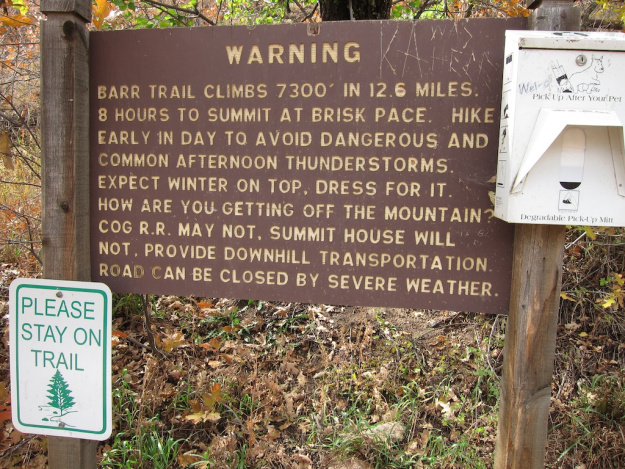
Recently we attended a meeting at our church where Pastor Andrew Arndt laid out a vision -in 10 minutes- for starting a new satellite church plant on the east side of Colorado Springs in two months. The room was a buzz as he laid out his vision for the new church and asked us to do three things: Pray, Volunteer to serve for one year, and Give. There was excitement as everyone left and was talking about what they were going to do to support this vision. Into the weekend, I started pondering what was creating the excitement I felt and I came up with this breakdown. 1) The vision was easy to understand and was explained in just a few minutes. 2) The ask was simple: Pray, Volunteer, and Give. 3) Timing: First service in two months. We were all being invited in to become part of something Bigger Than Ourselves. Or as Timothy Ferris in the 4-hour work week has said. “It’s lonely at the top. Ninety-nine percent of people in the world are convinced they are incapable of achieving great things, so they aim for the mediocre.”   In that church meeting, we were being invited in to join with Pastor Andrew Arndt to become part of something big and achieve something great; Bigger Than Ourselves… And so, what are the things we can do in our hiking, personal, and work lives that are Bigger Than ourselves to stretch us.

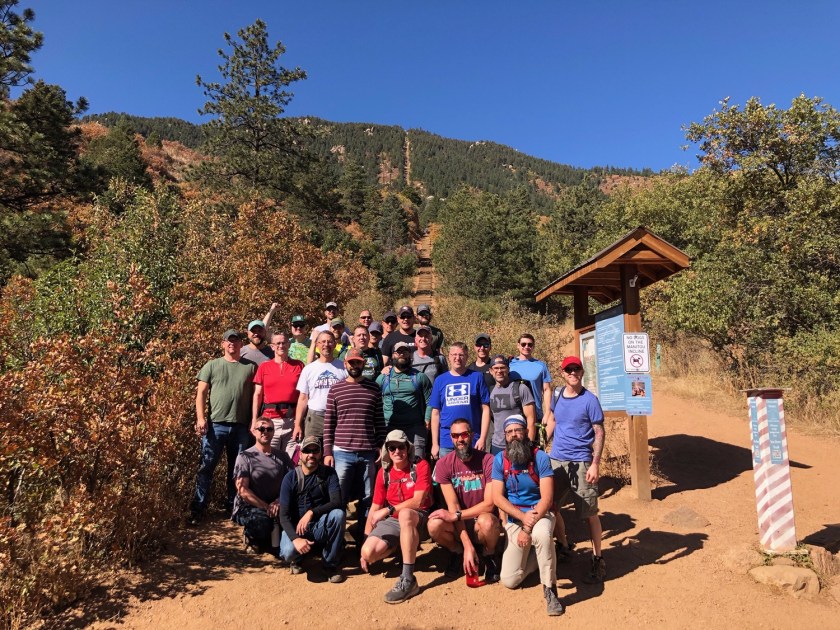
In hiking, it can be a number of things: climb the 14ers, the 12ers/13ers/14ers, Colorado Trail, or even just doing the incline for the first time. That alone can be being Bigger Than Ourselves. For me things that fall into this area have been hiking the Grand Canyon Rim2Rim in one day, and more recently; getting groups of 29 and 26 guys up the incline as part of a Road Trip for Dads with Adopted and Foster Care children. Or it could be being part of a group that repairs or creates new trails; creating something that will last beyond our life time. I think of Fred Barr – the Barr Trail, the team that created the Dixon Trail on Cheyenne Mountain, or Hans Zimmerman who opened up the trail on the east side of Raspberry Mountain and Mount Herman. Trails that will be enjoyed for multiple generations.

In our personal life; it could be; as mentioned above, being part of a new church plant. Or creating art that will last beyond us. For me, I think about how these Trail Tips -this is number 69- will become a book someday.

In our work life, it could be venturing out to start a new business, taking a new job, or volunteering to do something new at work. Recently I volunteered to give a presentation on Understanding Veterans Day at my current place of employment. The response was positive and now later this week I’ll be presenting it to a majority of the employees at where I work.

We all have more opportunity than we think we do to become part of something Bigger Than Ourselves or lead others to become something Bigger Than Themselves. In both cases; it starts with: 1) Having a simple defined Vision or being able to understand the Vision presented to you; 2) Committing the time to make it happen; 3) Staying consistent/committed to the Vision with what part you will play. My vision for writing these Trail Tips was birthed over two years ago with an initial goal to write one per week. While I haven’t been able to stay consistent, I have been able to stay committed. What Vision(s) do you have for your life?   Either ones that you want to lead others in creating or being a part of one that is being created by someone else? What are you aiming for and who are you being accountable to help you get there?

Closure… A trail tip

Sidney tomb stone

sidney palmer lake

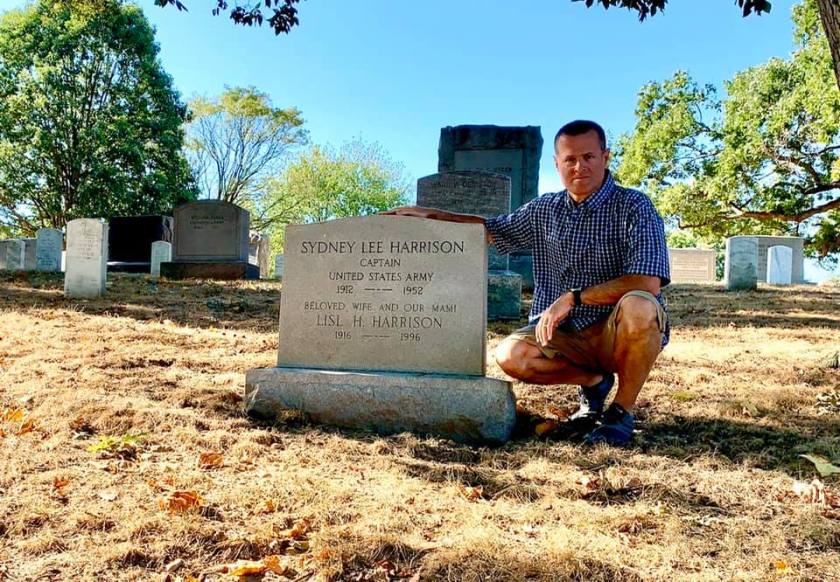
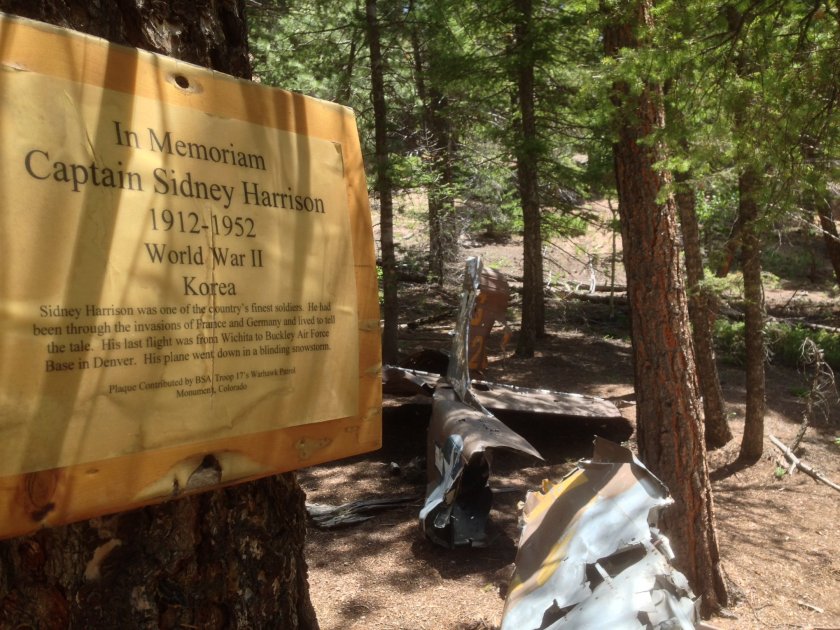
Closure: bringing to an end; a conclusion and for me; it’s the filling in of the missing pieces of a puzzle so you can see the whole picture. One of the more iconic hikes in the Monument/Palmer Lake area is the 12-mile round trip hike to the Captain Sidney Harrison plane crash site, where Captain Sidney Harrison crashed and died in 1952. It is a solemn hike to take as you get there and see the remaining of his plane. Yet, for all of us who have hiked to the site, we have never seen or have very little information about his final resting place; until now… as one of our hiking partners, recently took the time on trip while in Washington DC to find and visit Captain Sidney Harrison’s grave stone at Arlington National Cemetery. Seeing the picture of the tombstone brought closure for many of us as we have visited the crash site multiple times, but have never known his final resting place.

In hiking the Colorado Springs/Monument front range, there are multiple areas where I wonder about things where I wish I knew more information about that would help me see the bigger picture and provide closure. Both on Raspberry Mountain in Monument and on the Section 16 trail in Colorado Springs; there are remains of exploratory mines. Why did they choose those spots? How long did they look? Did they find any traces of gold or silver? These are just some of the questions I often ponder as I hike by those spots. And then there is Fred Barr who built the Barr Trail up Pikes Peak and Barr Camp at 10,200 feet. A common trail and camp so familiar to so many of us, but how many of us have taken the time to learn more about Fred Barr and what he was thinking as he built the trail. What was the hardest part? Did he have any false starts on parts of the trail that he had to redo? Was there anything else he would have completed on Pikes Peak???

In my personal life, I think of discussions I wish I would have had with my older relatives. After his passing, we realized that one of my uncle’s; Clarence Schakat was in the Navy during WWII. How I wish now, I would have taken the time to uncover and learn about his time in WWII. And then there is the history of the towns/cities we live in. What can I learn now, that would provide a more complete picture of where I have lived? Growing up in Omaha, NE. I knew the Union Pacific railroad was big there; but it wasn’t until I read the history of the Transcontinental railroad and how every piece of train track laid between Omaha and Promontory Point, Utah came through Omaha, did I realize the full extent (picture) of the importance it had on the city I grew up in.

At work I think about the history and impact my current and previous companies have had on where I live. During my year at Colorado Springs Utilities, I had the opportunity to visit several plants and learn about the history and planning that took place a hundred years ago. Hiking the slopes of Pikes Peak, you will come across several reservoirs. Many of them built back then to provide water 75 plus years into the future (present day). At many companies, it’s hard to come up with a 5- or 10-year plan and here the Utilities is on a 75 plus year plan. Knowing this history/closure/picture of all these mountain reservoirs gives new meaning and insight to what we see in the mountains on our hikes.

Bringing things to closure is like a seeing a completed puzzle. What are the missing pieces of information that I need to know to be able to see the complete picture of things around me? Granted; there are some things in life where we will never see the complete picture. However, there are many of them where we can find more information on when we start taking the time to ask the questions and look for the answers. For me, it’s going to be about learning more about the life of Fred Barr and going to the Palmer Lake historical society to find out about mining that was attempted on Raspberry Mountain. What questions are you going to ask to find closure in areas of your life?

Seeing Value… A trail tip


IMG_7521 (2)


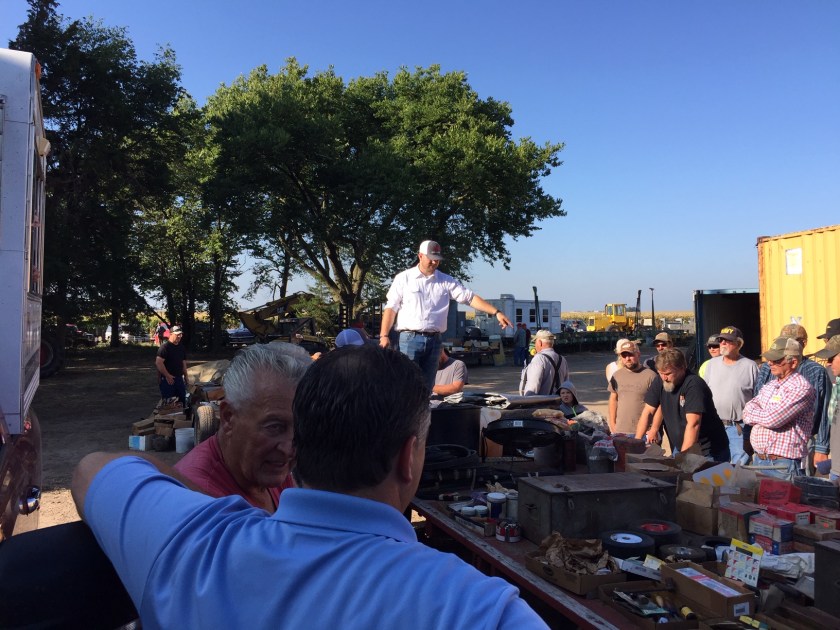
Recently I attended the Equipment Auction of my brother-in-law, James Anderson, who passed away last December. Arriving at the homestead, there were rows of farm trucks, antique tractors, irrigation pipe, piles of metal, and 5 flatbeds full of stuff. And I began to wonder; who is going to buy any of this stuff because I DON’T SEE THE VALUE IN IT. Any yet as the auction started, things began to sell and by time the day ended, everything was sold. I then started helping the buyers load their treasures and strike up conversations with them. In one case, there was the person who bought several antique cream separators. Asking about them, he told me he cuts off the tops and uses the bases for custom end tables. An idea that never would have crossed my mind. Then there was the person who bought the horse collars and that person is using them as frames for mirrors and pictures. And I initially missed all this because I was jumping to conclusions and not seeing the value in other people’s: goals, talents, dreams.

In hiking I tend to get focused on what I value; exploring the Pike Peak Region front range and leading groups on hikes in this area. I look at the people having goals of: doing the incline 500+ times in a year, doing all the 14ers or 12ers and 13ers, or the ones doing the Leadville 100-mile race. And I think “Why”. Just like I saw the people buying things off the farm auction trailers and I wondered “Why” until I began to hear their stories. Now I want to take time to reach out to people I heard doing the incline XXX times or the peaks, and ask them “What drives them”, “When did you start”, “What value do you get out of doing these things”. And in understand the value they see; it will help me better understand the value I have in the things I do.

In our personal life, we see value in people and the things around us. Here again, we tend to make quick decisions about the value of people by: their job, their looks, their house, what they drive, where they live, etc. Nothing brings this home better than the story of “William Crawford, a janitor at the United States Air Force Academy in the 1970s. To the academy cadets, he was “just a janitor” and no one paid attention to him, greeted him, or made eye contact with him. Then while doing research on WWII and the Allied campaign in Italy, the light bulb went on and one cadet said “Holy cow, you’re not going to believe this, but I think our janitor is a Medal of Honor [recipient]”. And after that, the cadets and everyone in Colorado Springs saw the “Value” of William Crawford in a whole new way; as they began to understand his story. How much time do I take to understand the life and story of those around me?

In work, we tend to place more value those in upper management and the CEOs who have risen to “Rock Star” fame. We study them and try to emulate them, hoping their “value” will rub off on us. We can get down when we start to compare our own value against others at work. One answer here is to do a self-evaluation and realize that we ourselves have value with who we are and what we can offer to others.

Seeing the value of those around us starts with taking the time to understand and hear the stories of those around us. It’s removing the filters we see the world with and seeking to understand not what people do, but why they do it. And then processing that information to be enriched by the lives of all those around us. Who are you going to reach out to in your hiking, personal, and work life to understand the value of why they do what they do?