The Strength of Weak ties … A trail tip

“… when it comes to finding out about new jobs – or, for that matter, new information or new ideas – “weak ties” are always more important than strong ties.  Your friends, after all, occupy the same world that you do.  They might work with you, or live near you, or go to the same church, schools, or parties.  How much then, would they know that you wouldn’t know?  Your acquaintances, on the other hand, by definition occupy a very different world than you.  They are much more likely to know something that you don’t.  To capture this apparent paradox, Mark Granovetter coined a marvelous phase: the strength of weak ties.  Acquaintances, in short, represent a source of social power, and the more acquaintances you have the more powerful you are. Connecters like Lois Weisberg and Roger Horchow – who are masters of the weak tie – are extraordinarily powerful.  We rely on them to give us access to opportunities and worlds to which we don’t belong.” Malcolm Gladwell, The Tipping Point, page 54.

So, who are our acquaintances in our Hiking, Personal, and Work lives? And we also need to ask, who am I considered as an acquaintance to?

In Hiking, I think acquaintances can be social Facebook pages such as “The Manitou Incline, Everything’s better on Incline” or “14ers.com”.  Places (people) I can tap into when I need advice on a something about the incline or a given 14er outside the scope of my friends.  And there are the people as well, like Brian Ratterree.  An acquaintance I may only see a few times a year, but someone who I will make an effort to see and connect with, when I’m at the Manitou Incline base.  And that is where our effort comes into play.  We can have others as acquaintances, but we also need to be acquaintances to others.  Be it posting helpful information on a Facebook page or being sincerely available when someone reaches out to us.

In our Personal life, I think of acquaintances as the businesses I use for car repairs, aka “JJ Tracks” and “Facinelli Motors”.  Places I not only take my cars to, but they are also places I can call or visit for answers to questions.  And then there is Debbie in the paint department at The Home Depot, who I had gotten to know as an acquaintance. And when I realized I needed 50 bottle openers for sparkling grape juice at my daughter’s’ wedding reception, she gave me a box of paint can openers and said just bring them back when you are done.  They are people I can reach out to; to get help outside of the scope of my friends.

At work, I think of acquaintances as my LinkedIn connections. And how one contact can open up a whole new word of opportunities.  I recently attended a Dallas-Fort Worth Project Management Institute seminar on LinkedIn and connected with Brandy Patton.  After sharing our stories (becoming acquaintances), she told me about the Lake Pointe Church Job Connection ministry, which I’m now using to help me in my job search.  Co-workers (current and previous) can also become acquaintances.  People I’m likely not having over for a BBQ, but they are people I can reach out to and tap into their circle when I need help.

Amy Rees Anderson in a 2013 Forbes article wrote “I once read a quote by the ever so brilliant writer known as Anonymous. It states, “People will forget what you said. People will forget what you did. But people will never forget how you made them feel.”  The most powerful tool you have in creating success [acquaintances} in your life is to appreciate other people. When you appreciate others you will find that your relationships are stronger, your circle of friends will grow wider, your career and business will succeed beyond your expectations, and your life will simply be happier.” The Power of having acquaintances….
Needing and Being a “Boots On” friend … A trail tip

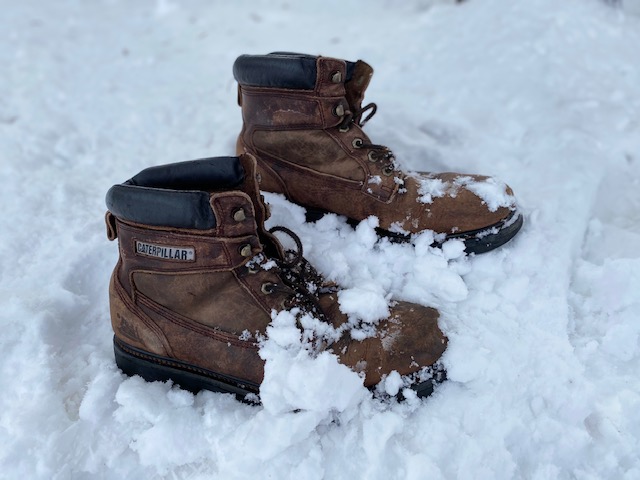
We all have been there and experienced it.  Being in a big box store when you ask a sales associate where a particular item is located?  The typical response is: Go to aisle 78 and it’s half way down on the right side: and if not there, they may have moved it to aisle 14 on the end cap.  Then there is the associate, who says.  “Let go together and find it, as it might have been moved, but I’ll stay with you till we get you what you need.  And isn’t this what we all need at different at times in our lives. Someone to get in the mud/snow and walk through those tough journeys with us.  And we need to do the same.  Get in the mud/snow with others and help them on their difficult journeys. I’m finding the surprising thing about these Boots on friends is that they may come to us from places we least expect it. Going through a job search, I got connected with Bobby Cornelius, at Lake Pointe church in Texas; who asked me what help I needed on this journey.  My response was “Bobby, I need someone to put their boots on and walk this journey with me.  Someone who has been down this path before and will give me guidance and point out the trails to avoid and trails I need to rush to.”  And as my emotions rose up in me, he said, I’m putting them on now…In Hiking, who has put their boots on to help with you on your difficult trails?  It’s where others have stayed with us during our hard journeys, walked along side of us, given us encouraging words and helped us push through.  It’s training next to us when we are recovering from a broken Tibia, or coming out of the Grand Canyon with incredible leg cramps and having dry heaves as we push to the finish.

In our Personal life, it’s family tragedies where I often see people putting their boots on and making sacrifices for us.  Walking out of an Emergency Room at the hospital at 3 am to see friends sitting there, just to be available in case we need something. It’s people bring over a meal, eating with us; while we share our sorrow and then taking the extra time to do the cleanup for us.

At Work; it’s often during the initial time of starting with a new company.  We get the organizational charts, the company polices, and the process documents to follow; but who can give us the information on how to really get things done? Who has the informal power? How should we approach difficult people? Who are the client power people we need to interact with? What information does the management really want in status reports?  All questions that can we can get answered when we find the person(s) who are willing to put on their boots and help us during the first critical weeks in a new job?  And in the case of being out of work, as mentioned above, it can be the person who puts on their books to walk with us during our time of unemployment.

Boots on people can come in and out of our lives as we travel on the trails of life.  It’s looking for them in our times of need and reading people to know who can be approached as a potential boots on friend.  And it goes both ways.  We also need to be available to be a boots on friend to others.  Take some time with your inner circle of friends and share how you have been helped by people who have put their boots on for you and how you have put your boots on to help others.

Kick the Can; aka it’s time for some FUN… A trail tip

Do you ever get tunnel vision when going thru a crisis or major event in your life; where you don’t think about anything else?  For me, the answer is a resounding YES!!!  And 2020 was not exception: COVID, lose of job, kitchen remodeling, and a major roof repair project.  Any one of them by themselves would cause major stress, but when you have 2 or 3 hitting at the same time, it’s easy to get this tunnel vision, where I just want it to end. I drop connections and activities, because I just want to get it done.  Or in other words, I start to just live and don’t have a life; thinking “I can start having a life again when XYZ is done”.  And all the fun get sucked out of my life.  We wake up each morning thinking about everything to do, but do we ever wake up thinking about “What will I do today to have some FUN”. Given where my mind has been with the items above, I’ve been thinking a lot more about how I can intentionally make having fun apart of my regular routines. 

In Hiking; we can get tunnel vision on goals we have set for ourselves; distance per month, elevation gain per month, setting new PRs on the incline, 14ers climbed etc. We start to lose track of why we are hiking in the first place and begin to limit ourselves on who we are hiking with because they don’t have the same goals or speed.   I think we have break out of this by adding a mixture of activities to our hiking.  Intentionally ask other to hike with us, Doing a trail in the opposite way, Putting together a new trail combination, Going for a hike without a watch on or time limitation, etc.  All these things can help put the FUN back into hiking.  Just image doing the Manitou Incline WITHOUT tracking your time!!!

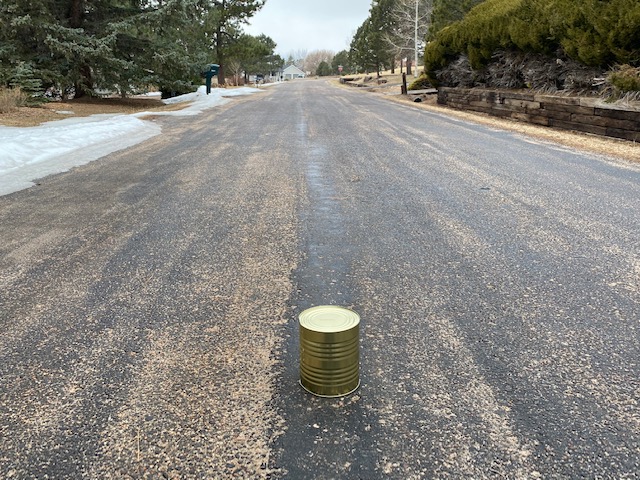
In our Personal life; I think back and remember all the FUN we had playing “Kick the Can” with all the neighborhood kids in the middle of the street.  Internet, WIFI, smart phones, apps; all words never invented at that time and we still had FUN.  Yes, and no one ever got ran over while playing in the street either.  Fast forward to today and we tend to think that having FUN, has to involve play games on devices, watching movies, or binge-watching TV series.  All done in isolation and with no people interactions.  Here are two ways to break out and have FUN; 1) Hop in the car and do a half/all day road trip; exploring off beaten paths or small towns or 2) Get together with family or friends for game night with a favorite board game or card game.

At Work; we can break the work cycle by doing taking time for early morning hikes, lunch time walks/meals or team celebrations.  We get into the mind set of thinking we have all this work to do and can’t stop for any breaks.  Yet it is the breaks to have FUN that allows our brains to reset and recharge our batteries and soul.  Think of the lumber jack who stops on a regular basis to sharpen their chain saw blade.  Without the stop, the blade gets duller and duller till it’s no good or worse; breaks off.

Like everything else these days, unless we schedule it, FUN is not going to happen.  And it may not be with the same people.  We need to identify what we are going to do to have fun, who we want to do it with and when we will do it.  What are you going to do to start having FUN on a regular basis in your hiking, personal, and work life???

FEAR… A trail tip

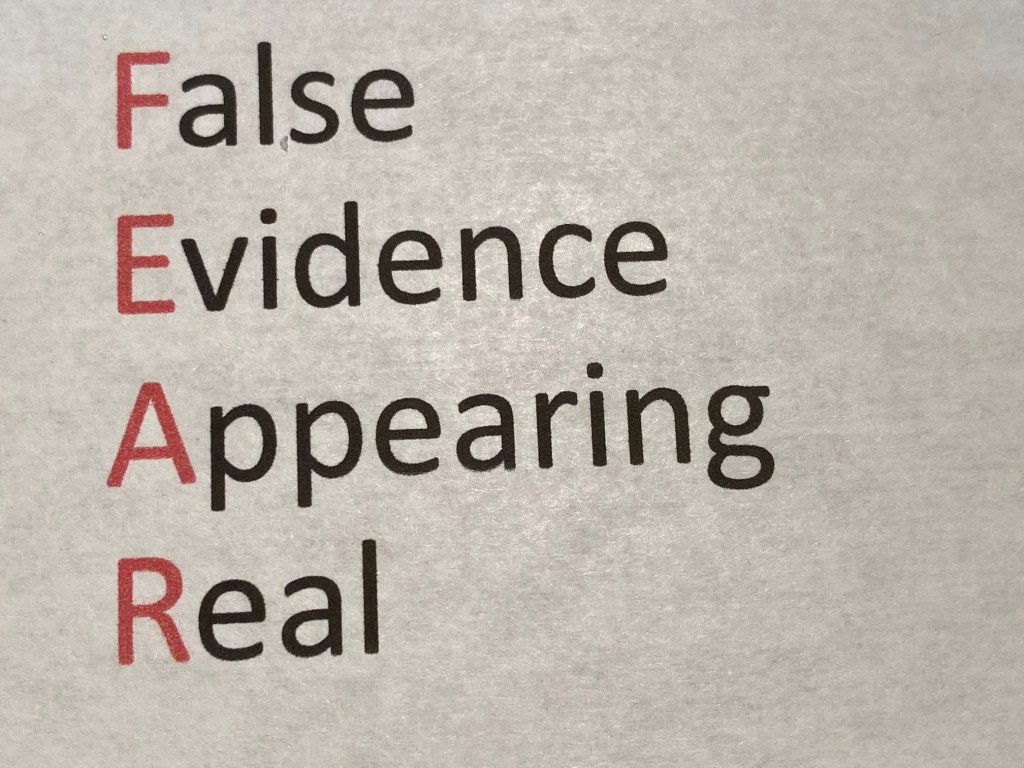
How much time do you spend each day living with FEAR – False Evidence Appearing Real?  Given the current world we are living in with problems of: COVID, Political unrest, Unemployment, Health issues, Family issues, etc. there is a lot of FEAR out there.  Listening to the radio while on an errand today, the talk show host brought up this FEAR definition and it got me thinking that there is FEAR in the different areas of our lives.  We may not feel it every day, but it made me realize I spend more time with FEAR than I care to admit.  Peeling back the layers of FEAR, I can see it does affect my Hiking, Personal, and Work life.

In Hiking, I’ve let FEAR affect me before and during hikes.  How many times have we not gone on a hike because we said: it’s too cold, too dark, too much distance, too hot, I’m too tired, I’m never gone that distance, others are too fast, etc.  While some of these fears are real, many of these FEARS we allow into our mind are NOT true.  And then there is the FEAR we let in during the hikes. Starting up the Manitou Incline, I’ve let FEAR convince me that I’m not in shape and I need to take a break.  [And once I take that first break, I’m now taking them every few hundred steps, instead of pressing on through the FEAR.]  Or on other hikes, we tell others to “just go ahead, I can’t keep up with you”, convincing ourselves that their fast pace is more important than my safety hiking alone.  [And I’ve been on both sides of this coin.]

In my Personal life, I’ve let FEAR affect family relationships and how I think others see me. During uncomfortable discussions with my wife, FEAR jumps out and I take the issue on as something that demeans my personal value, as I think I’m a failure, all hope is lost, etc. – instead of separating the issue from who I am as a person.  Or during holiday times, I let FEAR creep in because all of my family members may not be there.   And I think it’s because of something I’ve not done or not done good enough.  FEAR then starts to affect the mood of the time I have with family members.

At work with unemployment, I have to guard against FEAR affecting my self-worth when I hear of others landing jobs or when I get my third offer decline of the day.  And when we have jobs, we tend to let the little mistakes we make start to make us think that our skill set isn’t good enough.

We all have and will continue to see “False Evidence Appearing Real” trying to get a toe-hold in our lives and creep in.  We need to fight this by watching out for false evidence and by looking at our hiking, personal, and work life to see where we have already let FEAR come in.  As I’ve said in many Trail Tips, this is where you need to have a confidant, where you can discuss your FEAR with them and let them be able to tell you where you have FEAR that you may not even be aware of. Having fear of certain things is important to have in our lives.  But FEAR is something that doesn’t belong anywhere in our lives.  It’s time to identify our FEAR(s), call them by name and get them out of our mind set.

Windshields are bigger… A trail tip

Have you ever noticed that your car windshield is bigger that your rearview mirrors?  I was talking to a friend recently about this and he said “Windshields are bigger because we need to spend more time looking to the future than the past”.   How true!!!  And not only that.  We also need to make sure our windshields are clean and free of clutter, so we have the best view possible when we are going forward.  Notice in the picture that there no papers, maps or other things on the dash board that would cause reflections on the windshield or are there items hanging on the center rear view mirror.  Both which can result in creating a distracting view of where we need to go in the future.  All good tips for our hiking, personal, and work life.

In Hiking, my rearview mirrors are the missed hikes I didn’t go on with others.  Some time ago I had the opportunity to go to Blodgett peak via the Air Force Academy route with Brian Christiansen, which included a stop at a C-47 crash site.  But no, I “had” to replace the radiator on my van that day.  Thinking there will be another time to take that hike -not yet anyway.  Instead of looking back, I need to look forward to new hikes I can do with others.  And then there is the dashboard reflection clutter.  My view into the future can get distracted when I start paying too much attention to the hikes that “everyone” is posting on Facebook and I try to be like them; instead of looking into the distance for the hikes I’m called to be on.

In my Personal life, I tend to get stuck looking in my rearview mirror at the mistakes I made raising my kids.   If only I would have gotten my boys involved with Boy Scouts and been a troop leader.  Or if I had bought ATVs and spent weekends doing that with all my kids.  Would I have had a better-connected relationship with them now?  Instead, I need to look forward and identify things I can be doing with them now. Those small things that can build relationships.  And then there is the clutter distorting the future we need to focus on.  One of my clutter areas is the time I spend on Facebook, watching news, and checking my email.   How many hours a week do I lose by focusing on these distracting things?

At work, it’s easy to look back as I’m now in the process of my third job search in 4+ years and I wonder if only I would have done “X, Y, and Z”; I might still be working at one of my previous places of employment.  At work, we need to focus on that big windshield in front of us and see all the possibilities that a wait us.  And watch out for those distractions can clutter our view.  Am I growing my skill set that help position me for my next advancement or am I just coasting along?

Just like speeding cars getting bigger in our rearview mirrors, there are sometimes past issues that will cause us to pull over on the side of the road in life, get out and deal with them.  But once we stop, just don’t put a brandade on the issue.  Get to the core, resolve it, and start moving forward again; keeping your eyes on all there is in the future to take hold of.  So, what are you waiting for?  Jump into the driver’s seat, grab your partner, focus on what lays ahead and get ready to drive to those mountain tops waiting to be conquered.

Pause & DRAW… A trail tip

How often do we pause to think about the risks involved with a task or project we are about to undertake?  If you are like me, the answer is going to be not very often.  Be it starting a hike, doing a house project, or a client document; my tendency is to just start the effort and say I’ll figure it out as I go along.  With the result at times; being a major failure.  To change our mindset to think about the risks and controls for tasks and projects, I propose we start to Pause & DRAW, or in other words, pause to do a Deliberate Risk Assessment Work sheet. This military Risk Management process involves: Identifying the hazards, Assessing the hazards, Developing controls and make risk decisions, Implementing controls, and Supervising and evaluate. DD Form 2977, Deliberate Risk Assessment Worksheet, January 2014 (army.mil)  https://www.nec.belvoir.army.mil/dol/documents/DRAW.pdf

While I’m not saying we need to fill out this worksheet every time we go something; I am saying my hiking, personal, and work life would look a lot different if I would take time to do some form of a Pause & DRAW on a regular basis before I start hikes, projects, and tasks. Consider these examples.

In hiking, hazards include ice/snow, heat, and storms rolling in at the higher altitudes. Take the Manitou Incline: Hazard is ice, Assessment (Risk) is High, Control is foot traction, Implementation is buying traction, and Supervising is must wear traction or don’t do it.  Another example is hiking above 10,000 feet: Hazard is weather, Risk is variable, Control is getting specific weather reports for the altitude you are climbing at, Implementation is change of plans (start earlier or change hike) and Supervising is share plans with people who can help you make that Go/No Go decision.

In my personal life, I think of house projects/tasks as where I would be in a different place financially and physically if I would have taken the time to Pause & DRAW.  I don’t think of how much having a kitchen remodeled is going to affect our eating out bill.  Or the physical cost from not stopping to think about what could happen; if I’m on a ladder cutting a tree branch with a chain saw.  The branch is cut, falls on ladder, I jump off ladder, right let is caught in ladder rung…

In my work life: doing a DRAW for client Statement of Work, would be great habit to start.  Have I paused to verify the numbers? Do we know ALL the requirements?  Will vacations impact the delivery date?  Are resources locked in to work on the project will we just try to schedule them in as we go along.  Are there other potential projects that could compete with and affect my resources?  Am I dependent on outside items that could affect the schedule?

Understanding DRAW, doesn’t mean we need to do one in detail for every hike, project, or work event.  However, I do know that my life will be a lot different if I take the time to Pause & DRAW a lot more.  And “taking the time” is key to success.  Most of my mistakes in life have been caused by not taking the time to properly assess the situation before I start.  Let’s begin to do more risk assessments by sharing our DRAWs with others and verbalizing them as a way get into the habit of Pause & DRAW.

Lessons from The Incline Nation Code… A trail tip

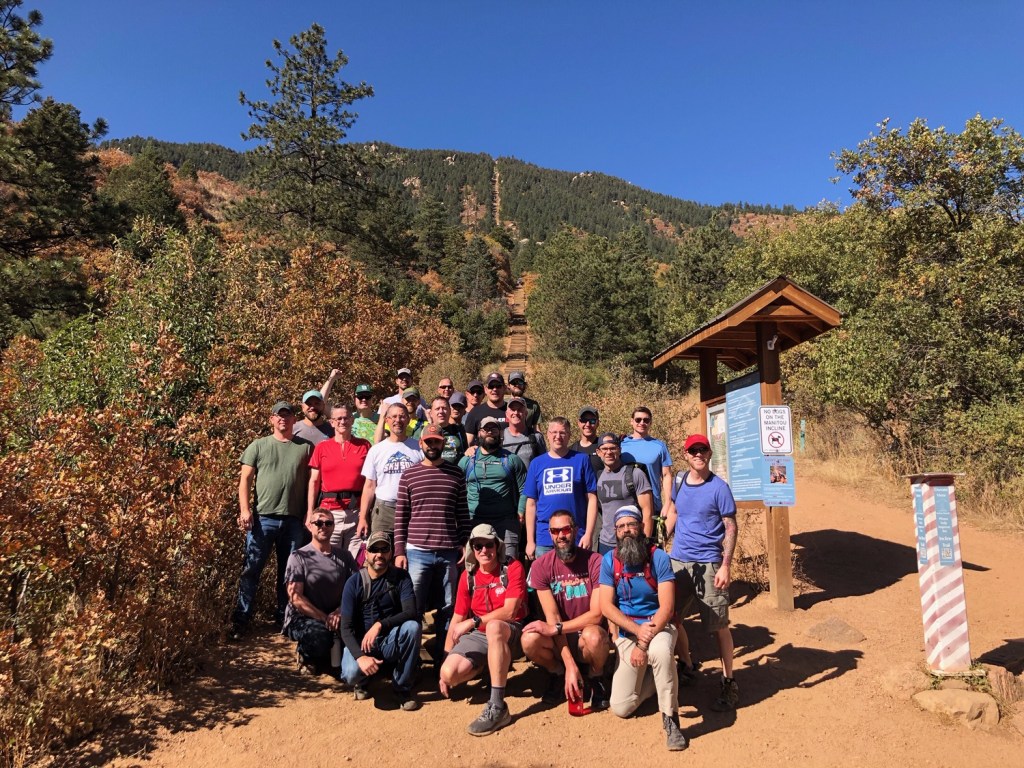
The Manitou Incline or “Incline” for short is a .9-mile hike that climbs to 8590 feet elevation, a gain of 2,000 feet.  The Incline Nation is the ever-growing number of people who choose to climb it once a: day, week, month, or year.  Like our physical body with different parts and functions, the Incline Nation has several parts that are too many to list, but a few do stand out; Jill Suarez – aka “Queen of the Incline” who posts almost daily updates on what taking place and then there is Brian Ratterree – aka “Commander of the Incline Base HQ” who keeps us updated on parking, shuttle buses, and other general conditions. Add to that is everyone who does: trash removal, new trail building, trail maintenance, and other things. What they have and what we live by is the Incline Nation Code, which includes: picking up after yourself, picking up after others, sharing the success of a first-time incliner (or someone who has done it a 1,000 time.  It’s taking 2 hours to journey with someone who is doing the incline for the first time, or being the push for someone trying to set a new PR. It’s standing at the top of incline and yelling for a complete stranger finishing the last 25 steps or liking the Face Book post picture of someone posing at the top of the incline. It’s sharing my bottle of water or traction with someone not prepared for the grind of the incline.  It’s accepting everyone in the Incline Nation as peers and equals regardless of their religion, political views, and other items.  As I ponder these Incline Nation Code items, I start to wonder: what would my world look start to look like if I applied the Incline Nation code to my Hiking, Personal, and Work life.

In hiking: Do I let the slowest person of my group set the pace?  Do I take the time to explain routes to someone who appears lost?  Do I greet everyone I see and ask if they are doing ok? Do I take time at the end of a hike to ask those around me, what did they like best or learn from the hike they just finished? Do I pick up trash others have left on the trail or do I just complain about the unknown hiking slob who left a mess?  Do I respect the trail I’m on like I respect the Incline?

In my personal life: Am I grateful every day for my spouse and kids; and let them know that?  Do I cheer them on when they are going through a hard time?  Do I walk besides them in their time of sorrow and hardship or do I just tell them to figure it out and blast past them?  Do I cleanup the kitchen dishes after a meal is made for me or do I murmur a quick thank you and leave them with the mess?  Like Brian Ratterree offering guidance on the Incline conditions; do I offer help and support for those around me going through hard times?  Do I accept those around me if I don’t agree with the various view on life?  Do I greet and notice those I pass when going into a store?  The greeters and cashiers at Walmart, Home Depot, Kohls all wear name tags; why can’t I take the 15 seconds to read their names and say it when I interact with them?

In my work life: Do I take time for small talk (which has more impact than we think), or am I just about getting to the business at hand?  Do I take time for a call to help someone understand a difficult issue or do I just point them to a web site “that has all the answers for them”?  Do I initiate a phone call with a new co-worker to see how they are doing and what they are struggling with?  Do I congratulate the success of a co-worker or am I jealous because they got something I think I deserved?  Do I take time to try to understand a language barrier problem, or do I just murmur in agreement and just move on?

The Incline Nation with its code is unlike anything else on this planet.  Come be a part of this nation, embrace the challenges of climbing the incline, and experience the code each step of the way.  Then take the code and apply it to your hiking, personal, and work life.  I can tell you from my own short comings and failures it will not be easy, but as the song goes: “And the world will be a better place, For you and me, You just wait and see…

Smoken Hope … A trail tip

Hope: A feeling of expectation and desire for a positive outcome.

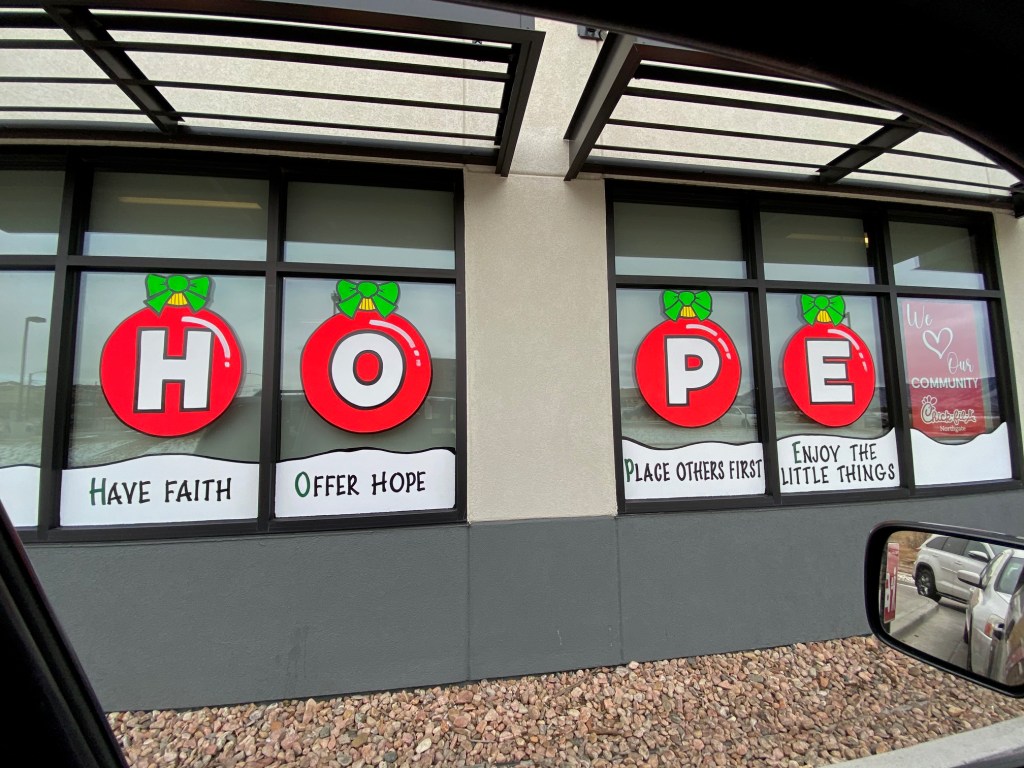
It’s time to start a smoking habit.  It’s time to start Smoken Hope.  Just like we breath in air every minute of every day and don’t ever think about it.  We are also starting to breath in a lot of despair and depression with the world we are living in: COVID, unemployment, forced stay-at-home, lack of community and other things are affecting our mental health.  Just like smoking cigarettes is bad for our lungs; smoking -taking in- despair and depression is bad for our body and mental health.  But it’s time to change that projectory.  It’s time to start breathing in a feeling of expectation and desire for a certain (positive) outcome.  It starts with hoping for small things and starting to see hope around us.  Lysa Terkeurst says in her book Forgiving What You Can’t Forget; “What we look for is what we will see.  What we see determines our perspective.  And our perspective becomes our reality”.  She also gives the car example, where once you buy a certain car, you start to see them everywhere.  And that is so true.  We bought a Honda CRV a year ago and every time I drive it, I see them everywhere now.  If we are looking for HOPE, we will start to see it all around us.  Even in the drive thru at Chick-fil-A.  So how can we start Smoken Hope in our hiking, personal and work life?  Well it starts with declaring what we are not going take in to our mind and declaring what we are going to breath into our life.

In hiking with winter setting in; IT’S NOT; being discouraged by the short days, snow, ice, cold, and wind that is all around us.  IT IS: knowing that hiking through the winter will give you a strong base for the spring.  It is knowing that getting out will clear your head and make your heart stronger.  It is knowing that hiking Dixon Trail to the top of Cheyenne Mountain or Mt. Rosa will become a May hike and not a July hike.  [Both about 14 miles and over 3500 feet vertical.]

In our personal life, IT’S NOT: Fretting about not seeing all your family at holidays.  IT IS about enjoying the time with the family and friends we did get to see.  It is about seeing my sons sitting around the table and talking with us for an hour after the Thanksgiving meal was done.  IT’S Not about waking up in the morning with a sense of dread and doubt about your ability to function and get to the end of day.  IT IS about breathing in Hope and positive expectations for a great day.  IT IS about seeing the small positive things that build on each other.

In our work life, IT’S NOT: wondering if you have the right job skills, second guessing decisions you make, doubting your ability to get a job done well, or wondering if you made the right career choice to begin with.  IT IS about knowing you have God given skills that make you unique with a purpose for where you are working.  IT IS about having that sense of expectation for every task you complete and meeting you attend; AND knowing you can have a positive impact on your co-workers.

So, what kind of hope are you smoken? What expectations (hope) do you want for your hiking, personal, and work life? Have you shared that hope with others?  I challenge you in this difficult season to share your hope with others and ask them about what kind of hope they are smoken?  The next time you want to meet someone for a hike or a meal; start with “Let’s go on a hike and smoke some hope” or “Let’s get together some evening and smoke some hope.  Just like a cigar room gets filled with cigar smoke; your Smoken Hope room will begin to burst with HOPE. 

In closing I would like to acknowledge Jim Maffuccio for the phrase “Smoken Hope”, which was the genesis for this Trail Tip.

Evergreen -really??? … A trail tip

Recently we had winds of over 50 mph for most of the day.  And without even looking outside, I knew what that was going to mean; pine nettles all over the place and I’m thinking about 25 bags of nettles to rake.  Which got me once again thinking about the question I’m going to ask Adam when I die and get to heaven.  “Adam, I’m not questioning your judgement, but when you were naming everything in the Garden of Eden, tell me your logic behind calling them Evergreen trees?  Because all those nettles on the ground don’t look green to me?”  It’s a question I’ve been asking for 10 years since moving to our home.  And this time I got an answer…  “Al, to grow you have to shed the old, dead things in your life to allow growth to take place.  Old things are dying gradually every day in your life, but to mix it up; sometimes a lot of things get discarded with a strong wind.”  Pine nettles need to drop before the new growth can take place.  And it just not the falling on the ground, the nettles still need to be hauled away.

In hiking we all have our favorite trails.  We may venture out and try something new once in a while, but then a wind/storm comes along; taking out a section of a trail or closing it permanently. It forces us to try something new and unexpected that we may have never tried before. It can create new opportunities for seeing new trails and how they connect with other trails.  For example, there are lookout points on Section 16 and Rocky Mt. on the east side of Pikes Peak where you can stop and see how trails connect together.

In my personal life, some of my dead nettles are my anger.  I think I’m doing a pretty good job of discarding my anger, letting things roll off and not get to me.  Then a wind (event) comes along and shakes everything; causing a lot of anger to come out at once.  The wind stops, I see the mess the anger has caused and it’s time to clean it up.  Make the amends and ask for forgiveness.

In work, we can get into a rut, knowing deep inside we need to do some career improvements, but we ignore the signs.  Then a storm (layoff, industry shift, etc.) comes along and forces us to look at and shed our old skills and habits that aren’t effective anymore.  Thus, giving us a fresh perspective on allowing new growth to take place.

A pine tree will drop 25 to 35 percent of its’ nettles every year. Image what having 25 percent growth would look like in your life.  We all need to be shaken on a regular basis and drop the old things in our life; so new growth can take place.  What are the things you are holding onto that you need to let go of in your hiking, personal, and work life?   Where do you need growth to take place?

What is below the surface … A trail tip

Recently I had to have a molar tooth pulled because of cracked roots with infections. Yep, you are looking at it now.  And what’s the worth of anything in life if you can’t learn a lesson and make a Trail Tip out of it…  For me, my story with the tooth was: I had some minor/dull pain with it for a few months, but it was never really bad and hey, the tooth looked fine to the naked eye.  But it was the hidden part of the tooth that was causing the problem for me and I didn’t want to address it.  And it’s the hidden part of our lives; things below the surface; that will cause problems in our lives if we don’t address them.

In hiking, for me it’s the over confidence I get when hiking and thinking I am experienced enough to do new hikes by myself; this is the place where we can lose judgement and can get into problems.  Recently I did the Spruce Mountain and Spruce Meadow trail.  A total of 18 miles.  Toward the end, I became in a hurry to get back sooner, so seeing Spruce Mountain in the distance, I went off trail and cut across the open range.  While I made it safely; later I thought this is a great area for rattle snakes, and what would have happened if I would have gotten bit.  Like my tooth, the path looks good on the outside, but am I really aware of the potential problems below the surface.

In our personal life, I think of anger and secrets that we hide on the inside that gnaw away at our heart and can destroy us over time. Like a tooth infection that can eat away the bones in our jaw, anger and secrets can infect our whole body as well.  The solution for the tooth is an extraction, but it doesn’t stop there.  The void left by the tooth must be filled in with a bone graft to build a strong foundation, allowed to heal for 6 months, and then have a screw inserted for a tooth implant for complete healing.  With anger and secrets, we need to expose them as well and replace the void with love, acceptance, and gratitude of others.  Like the tooth process, this is something that also takes time and will have pain along the way, as healing takes place.

In work, we also have pain along the way.  Project frustration, conflicts with co-workers, balance of work/home balance; all come into play at different times.  We can let them foster and tear us down from the inside or we can look for ways to express and let out the pressure in positive ways.  For me, I’ve found that one on one lunch meetings or going on hikes with a few co-workers can do wonders.  As it’s been said “what said on the trail, stays on the trail.”  And this is trust that needs to be built over time with select co-workers.

We all want things to be pretty on the outside and wish our lives were the picture we show on Facebook all the time.  But there is pain below the surface and it’s real; eating away at the fabric of our lives, just like my tooth infection was starting to eat away at my jaw bone.  What are the things causing you pain below the surface in your hiking, personal and work life?  Who are the “dentists” in your life that you are going to allow to come into your being and do the extractions, help fill in the voids, and start the recovery process?