 Conventional wisdom tells us the strongest, smartest, most experienced person should always be setting the pace. In hiking it’s the person who knows the trail and is the fastest. In our personal life, it’s the most experienced, showing us how to do something. At work, we get training by having others show us how to do things; with them clicking through the various screens on product training. And especially with our personal and work life situations; it gets done faster when someone else is “doing the work” and we watch them -praying that we remember at least 17% of what they just “trained” us on. But I think it’s time to challenge this conventional wisdom.
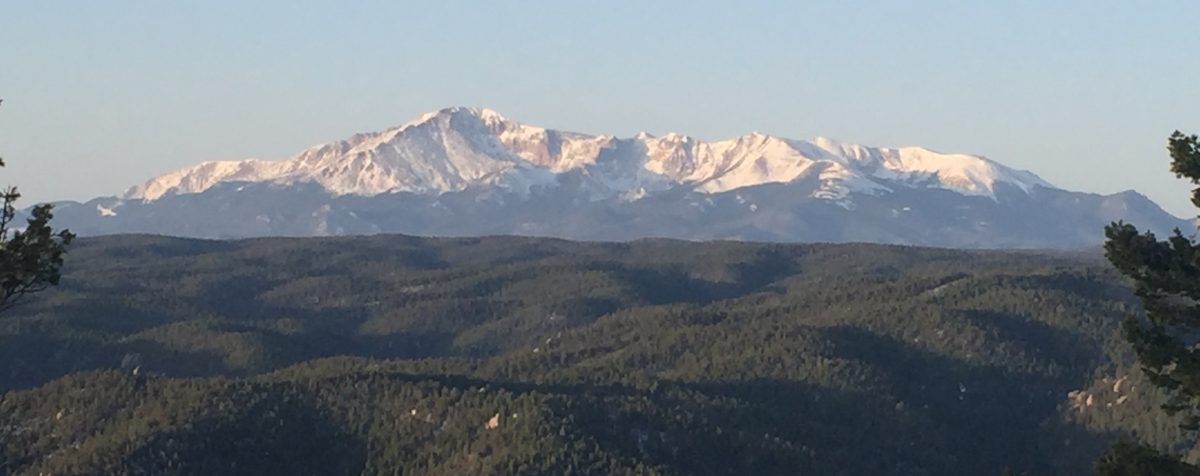
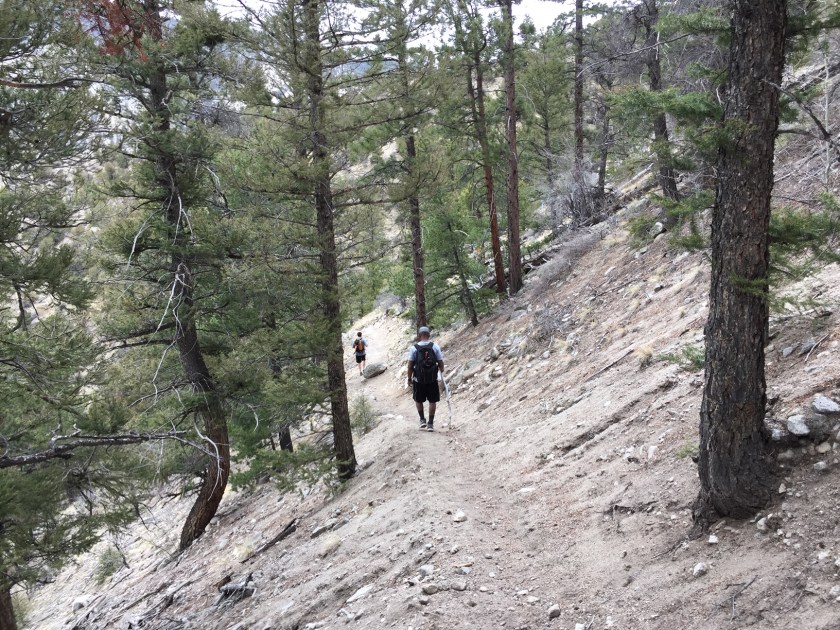
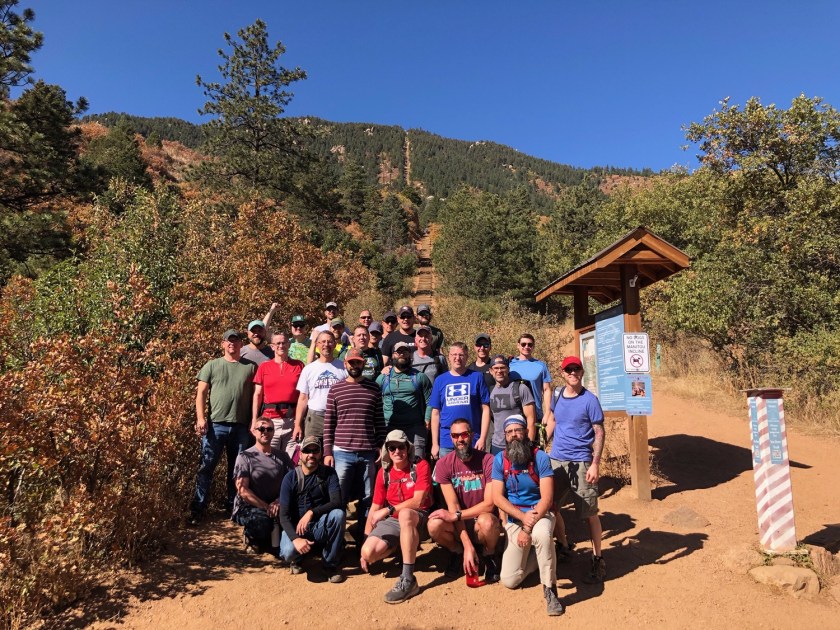
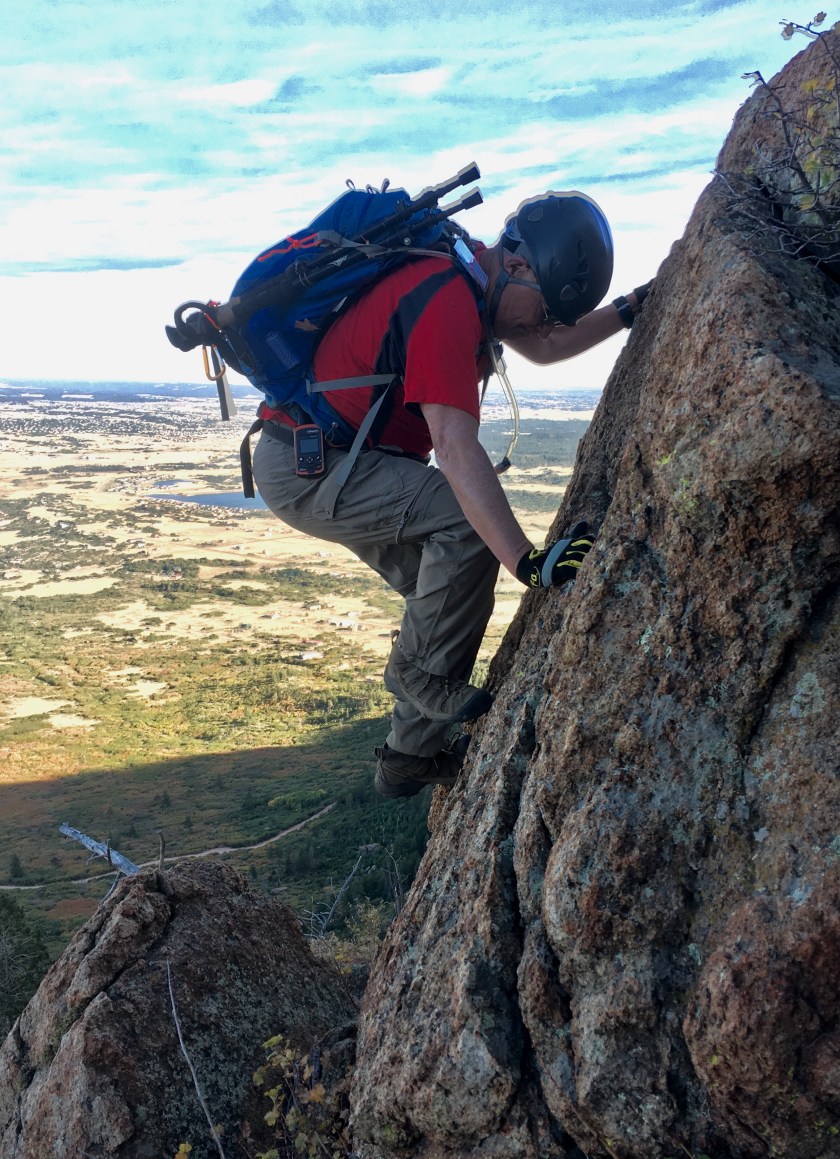
In hiking, it’s the fastest person who knows the trail, setting the pace. Often 30 to 60 feet ahead of us, they hike faster, hoping we will be motivated to try to keep up with them and when they do stop for a break; it’s just long enough for us to catch up with them and then they take off again. Or as they show us a new trail, we are so focused on just trying to keep their “butt” in our eye sight, we don’t take any notice of the landmarks. Having been both the leader and follower in these cases, I’m now realizing the that SLOWEST person should always go first, setting the pace for hiking and the breaks. The LEADER should be last, giving instructions on where to turn on the trail. This does two things. 1) It makes for an overall faster hike as the slowest person can determine when to take a break and for how long. 2) The group stays closer together as the leader is giving verbal directions, that everyone needs to be able to hear.
In our personal life, we often want training in different things, but because of time constraints or being lazy, we really just want the other person to do the work, while we “learn” just watching them. An example in my life included learning how to replace brakes by having my neighbor repack the bearings. Which fortunately didn’t happen, as he instructed me while I was doing the work. Yes, it took longer, but I actually learned something as I had to get the feel of when the old grease was worked out. As I teach my kids (and now grandkids), how to do things, I’m so tempted to do it for them; ether because of lack of patience or wanting it “perfect”.
At work, I see this a lot in being taught or teaching other about new functionality in our products. Yes, we do need to let the instructor lead in large groups, but in smaller groups of 4 or less, it’s so much more of a learning experience when the “student”; can go through the steps as directed by the instructor. Yet, because we are often in a hurry as work, we don’t want to take the extra time to teach people something that they will actually remember.
The proverb says “Give a person a fish and he will eat for a day. Teach a person how to fish and you feed them for a lifetime”. What are you doing as a leader on your hikes, in your personal life and at work? Are feeding them for the day by being out front, or are you feeding them for a life time by letting them learn hands on?


 Al Andersen