Stopping the drain… a trail tip

IMG_0887

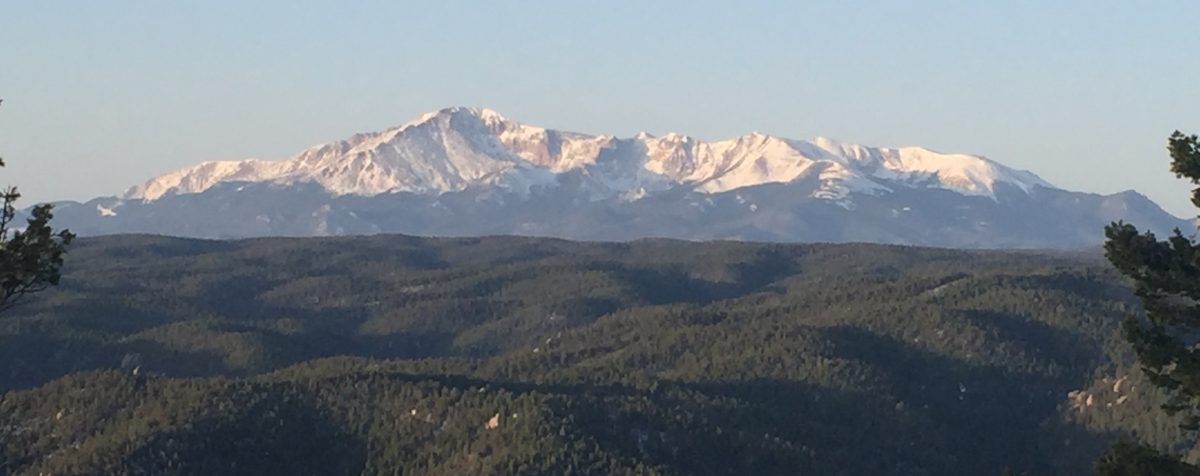
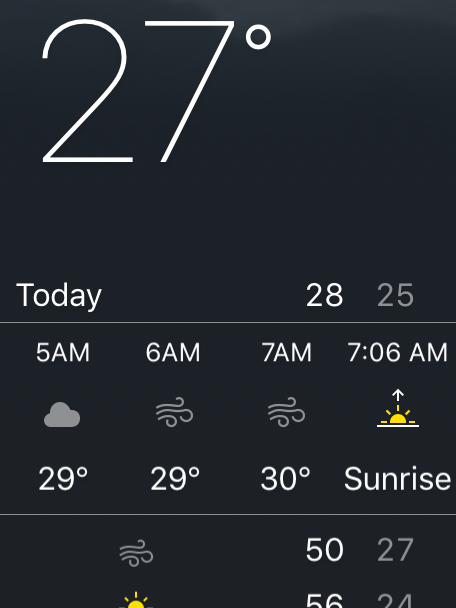
We have started to get some colder weather and I have noticed the extra drain that it puts on my cell phone battery while out hiking.   Which got me thinking about what drains me and how do I counter that draining feeling in my daily life.   Both important things to ponder as we get ready to close out 2017 and move into 2018.

In hiking, I have already mentioned how the cold weather can affect battery life.  And during this winter season; we also face shorter days, snow and ice.  While we can’t stop the weather and these other things, we can take actionable steps to counter them.  For the cell phone battery life, it’s important we always have a spare portable battery with us; and it doesn’t help when you keep it in your exterior backpack.  It needs to be close to your body to stay warm.  And admit it, it’s a lot easier to get up for a hike at 5:30 am during the summer when it’s already light out and a balmy 55 degrees.  But in December, when it’s dark till 7 am and 25 degrees out, rolling over and staying in bed at 5:30 am is a no brainer.  Yet, we can counter this by always having someone to go with us.  When that alarm goes off at 5:30 am, I know Bro’ Brad Argue is going to meet me at the Trail Head at 6 am, and who am I do deny him the pleasure of hiking with me (at least, that’s what I’m thinking).  Thus, having someone to hike with on these early cold morning is critical to get you out a lot more of the time.  Also, I figure some part of the trail is going to have ice and snow on it -at least through the end of April- so pack the ice trekkers in your pack and always carry them with you.  Then dress accordingly: Gloves, hat, multiple layers, and wear shorts “for any temps above 30 degrees.”

In our personal life; life itself can be draining.  Loss of a job, accidents, family relationships, financial problems, unmet expectations, etc.; can all become a serious drain on us: physically, emotionally, and spiritually.  This is where close friends come into play.  I’m not talking here about the 100’s of friends you may have on Face Book, but rather that small handful of friends who you can be brutally honest with.  As my counselor friend, Scott Hendrickson once told me.  “Al, I would not have to see half my clients, if they just had a close friend they could talk to once a month to be completely honest with.”  As you look back on 2017 and forward to 2018, ask yourself; “Who are my close friends?”  Verbally name them out loud and then take time this year to thank them for that close friendship.  And if you can’t name 3 to 5 friends like this, make it a goal to cultivate these friendships in 2018.

In work life, there are lots of things that can drain us.  Projects we don’t like, long commutes, management decisions, co-worker problems, etc.  Here I think it becomes a matter of perspective and having “grit” to make it through this season at work.  Having been laid off and not finding a position for the last five months, I’d now gladly put up with a lot of things at work that I complained about all the time before.  And if you don’t like your manager, have some grit and hang in there; like the weather, they will change over time.

I’ve covered just some of the things that can drain us in our hiking, personal, and work life.  We all have our own list of them and it’s important to identify them, so you know how to respond to them accordingly.  The key isn’t trying to change them because; well for the most part you can’t.  But you can change your response to them and take action to lesson their impact on you.  Over the next few weeks write down the things that drain you in your hiking, personal, and work life; then determine your strategy and action plan to address them as you move into 2018.
The Other Stories… a trail tip

1280px-Eastland_Postcard_-_View_of_Eastland_taken_from_south_side_of_river_shortly_after_accident

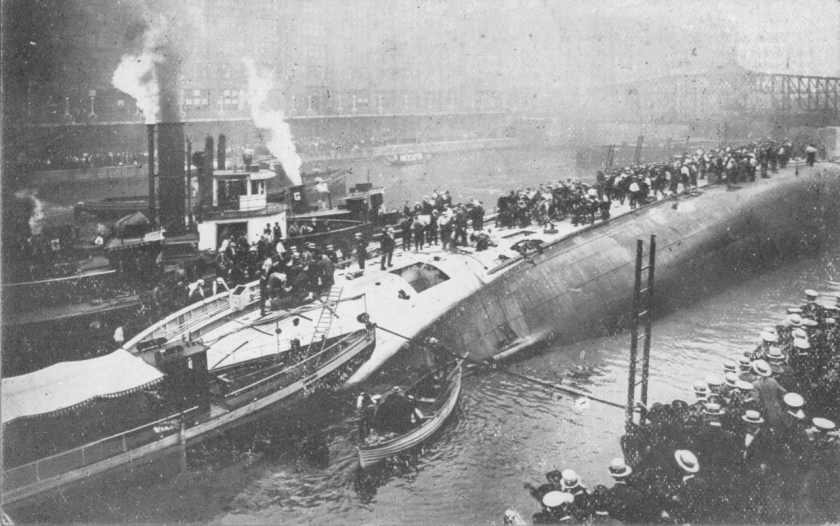
Last week, we started watching “The Long Road Home” on National Geographic Channel, which is about an ambush that took place in 2004 in Sadr, Iraq with casualties of 8 deaths and 64 wounded -the largest one-day toll since the Vietnam war.  Looking at my wife, I ask why don’t we remember this better because the only “Middle East” event that sticks in our mind is the “Black Hawk Down” story.  And in the same way, we all know about the Titanic sinking with over 1,500 deaths in 1912, but who knows the tragic story of the ship SS Eastland?  When on July 24, 1915 the SS Eastland was moored in Chicago on the Chicago River, taking passengers from Western Electric for a company outing.  The ship was loaded with 2,572 passengers; it became top heavy, then turned on its side in 20 feet of water while still moored, and 844 passengers died in a matter of minutes.  Yet, I would bet that a vast majority of us have never heard this story, which brings us to the point of this “Trail Tip”; in that we miss the “Other Stories” going around us because the hype and drama given to specific events.  So, as we enter this Holiday Season, it’s worth our effort to pay attention to the other stories taking place around us.

In hiking, all the news in the Colorado Springs area right now is about the reopening of the Manitou Incline and people are posting daily about their exploits of climbing it.  And so, the other stories about different trails get lost in the background of the noise of the Incline.  Trails around Jones Park, Mt. Rosa, and the various Pipe Line trails all have a story of their own about the rich history of the Pikes Peak area.  Yet, how many us ever take the time to explore them?

In our personal life, we get caught up in Face Book, Twitter feeds, and other social media outlets to hear about the stories of those around us.  Not realizing that many of the best unknown stories may be right next door to us.  Our neighbors across the street moved here from Alaska.  There he was an airplane mechanic and bush pilot.  And for the past few years, he would go to Alaska during the summer to spend weeks at a time out on fishing boats.  I bet he has the stories to tell, but have I asked him out for breakfast or lunch to get him to tell me his stories and experiences that I will never do in person?  Have I talked in depth to another neighbor that is active duty and teaches at the Air Force Academy?  What are the nuggets of wisdom, I could gleam from him?

And then there is the story of William Crawford, who was a janitor at the Air Force Academy.  As one cadet later wrote, “Bill didn’t move very quickly and, in fact, you could say he even shuffled a bit, as if he suffered from some sort of injury.  His gray hair and wrinkled face made him appear ancient to a group of young cadets.  And his crooked smile, well, it looked a little funny.  Face it, Bill was an old man working in a young person’s world.  What did he have to offer us on a personal level?”  And that all changed when another cadet in 1976 reading about WWII, realized that this “janitor” was a Medal of Honor recipient.  A person barely given notice by 4,000 cadets on a daily basis, was in fact, awarded the highest military medal in America.  Who are the “janitors” in our lives that we pass by every day?  What stories am I missing out on because I don’t take the time to get to know them.

In our work life, we get caught up in the stories and admiration of CEOs and other executives that have made it big.  We try to learn from them, but there is no real connection there.  We focus on them and miss the success of those around us.  We have close friends that have developed very successful real estate practices in Colorado Springs and Denver.  Yet have I ever sat down with them and asked what are the five things that have made you successful?  Several other friends have their own IT companies.  Do I ever ask to hear their stories about how they balance work and personal life?

As we start the December Holiday Season with all the parties and get togethers, let’s cut past the noise and hype to make an effort to become intentional about wanting to hear the stories of those around us.  Since you may not have time to do it during event itself, ask for a follow-up breakfast, lunch, or coffee meeting.  It’s as easy as saying “I’d like to hear more; can we meet next week and continue this conversation”.  Inviting people around us to tell us their stories is a great way to get to know someone better and create lasting friendships.

More information about William Crawford can be found at:  http://www.homeofheroes.com/profiles/profiles_crawford_10lessons.html

Cultivating the Spirit of Thanksgiving

happy thanksgiving

“Thanksgiving Day, is a public holiday celebrated on the fourth Thursday of November in the United States. It originated as a harvest festival traced back to the Pilgrims in 1621. Thanksgiving has been celebrated nationally on and off since 1789, after Congress requested a proclamation by George Washington.  It has been celebrated as a federal holiday every year since 1863, when, during the American Civil War, President Abraham Lincoln proclaimed a national day of “Thanksgiving and Praise to our beneficent Father who dwelleth in the Heavens,” to be celebrated on the last Thursday in November.” – source: Wikipedia

But yet, if we were honest, many of us would say we aren’t feeling very “thankful” right now as we look back over the last year.  Unemployment, loss of close family pets, struggles with children, unexpected bills, cancelation of planned events/trips, etc.; can all weight heavy on us and make us want to disregard this holiday completely.  So how do we get out of this pool of misery and CULTIVATE the Spirit of Thanksgiving?

In Brene Brown’s book, The Gifts of Imperfection, we get a few ideas. “…every person I interviewed who described living a joyful life or who described themselves as joyful, actively practiced gratitude and attributed their joyfulness to their gratitude practice…. Happiness is tied to circumstances and joyfulness is tied to spirit and gratitude… I’m so inspired by the daily doses of joy that happens in those ordinary moments, like walking my kids home from school, jumping on the trampoline, and sharing family meals.  Acknowledging that those moments are really what life is all about has changed my outlook on work, family, and success.”

It’s changing our “Thanksgiving Focus” from our circumstances to what we have in the moments.

In hiking, our Thanksgiving Focus should be on the hikes/walks/runs we have recently done.  It’s not about the missed hikes/trips I didn’t get to this year, injuries, etc., but rather the hikes I have done and “new” trails I have been on.  Or as Stewart Greene has said “the best hike I’ve ever done is the last one I’ve completed.”

In our personal life, we tend to focus on the gaps; the place between what want/think our lives should be verses the reality of where we are today.  When we do that, we see the disappointments, put our focus there, and lose any spirit of thanksgiving.  We can change that around by focusing on the moments in the present and remember the good past memories we have created.  For me it becomes being thankful for the time I did have at Cognizant Technology Solutions, the memories of all the hikes I did with my dog, and each success I do have with my children.

In our work life; it could be unemployment, being in a job we don’t like, a missed promotion, a lost contract.  Yet, if we look, we can find those thankful moments.  For me, being laid off for over five months has giving me the opportunity to take days to help parents move, help my daughter/grandson drive to Nashville, and attend extended family weddings.  My professional social media presence with LinkedIn and www.alandersen.co has greatly improved with the extra time I could spend on it.  Yes, I’m still working daily to find a new job and dealing with the disappointments of rejection emails, but I can cultivate this attitude of gratitude for the time I was able to spend in these different areas.

I think Thanksgiving with “Black Friday” has become a distorted holiday.  At one end of the spectrum, we want to sit back with family and be thankful for all we do have.  But then the advertising bombardment hits us from every angle and tells us that who we are isn’t enough, so end the Thanksgiving Day family events early and get out at 6 pm on Thanksgiving to shop or wake everyone up at 5 am, to get those “door busters” specials.  We have all gone through disappointments, pain, and losses this year; and it easy to focus on them.  So, I would encourage you this Thanksgiving to take that extra effort to intentionally cultivate the spirit of gratitude for those moments you do have in your hiking, personal, and work life.  Trust me, I know it’s not easy, as I’m walking through these life events myself right now, but thinking about and being “Thankful” for the hikes, moments with family, and extra time from being unemployed is making this Thanksgiving so much more for me.

Wisdom from a two year old Golden Retriever… a trail tip

IMG_7787 (1)

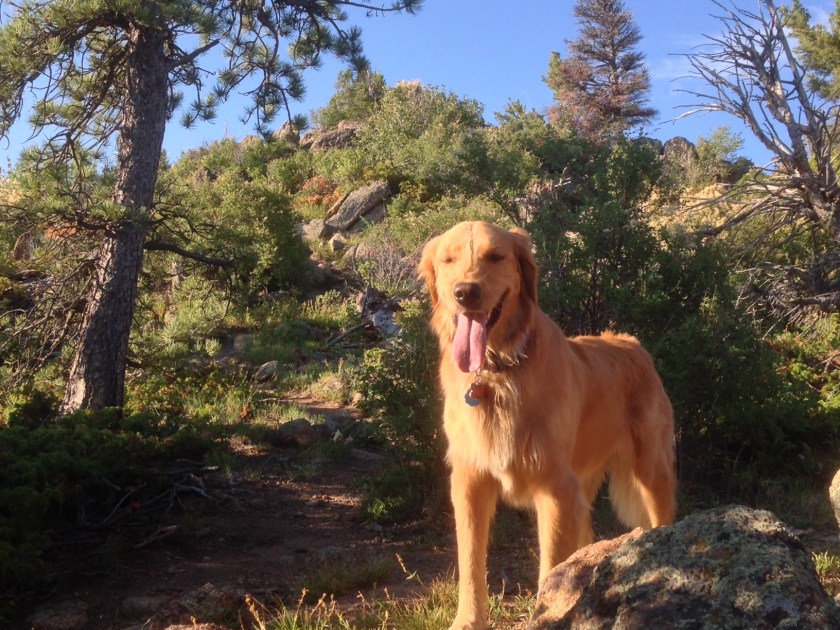
The life of our Golden Retriever, Ava was cut short after only two years because of a large rapidly growing Sarcoma cancer tumor. But in those two short years, she taught us much about hiking, personal, and work life.

Ava was a hiker and would hike with anyone, anytime.  I’d lay out my clothes the night before an early morning hike, Ava would then see it, sleep on it, and not let me out the door without taking me her.  Out on the trails, she knew where to go, was always leading us, and then stopping once in a while; where she would turn around, look at us, and say with her eyes.  “What’s holding you up, we got a trail to hike, and views to see.”

She would adjust her pace to the slowest person in the group, so we would stay together, and at the same time, she would venture ahead, turn around and challenge us to move faster.  And while she knew the trails, she would sometimes go off on a new path, saying “hey, this looks new and interesting, let’s try it.”  All things we need to be doing when we are out hiking.

Ava taught us how to build personal community.  Ava lived on a street with dog friends next door and across the street.  So, every day when she went out in the morning, she would do her business, then go see if friends Lambo, Elvis, or Truman were out.  If not, she went around to the back of their houses and go inside looking for them.  Once we found her playing with her friend, we would end up talking to our neighbors for at least another 20 minutes.  Ava got us to spend more time with our neighbors and create community like nothing else ever before in our lives.

Creating personal neighborhood community requires intentionality.  So often we think that neighbors should come to us.  With the neighborhood dogs having physical or electronic fences, Ava knew she had to reach out to them, so she was intentional to go see them every day, even if it was only for a few minutes.  And we need to do the same.

Ava was always challenging us, checking on us, and knew if we were “getting it or not”.  Lessons we need to know in our work life.  While out in the back yard or hiking, Ava was always exploring or chasing: deer, rabbits, or squirrels.  We could hear her but not always see her.  But if we tripped or fell, she would be at our side in a split second, putting her nose in our face and pawing us to make sure we could move.  At work, we need to be doing the same.  Exploring and moving ahead, but keeping an eye on those around us as well.  Does someone need help with something they don’t understand?  Are we sensitive to a personal life problem that may be affecting a co-worker performance? Do they need to take time off from work? Do we know how to offer some extra support?

Ava’s passing reminds us; that life is full of unexpected events, that we need to cherish the time we have with others, and that there are teaching moments / trail tips to be learned from the encounters we have along the trail of life.

Taking time to hear their stories, how we honor our Veterans on Veterans Day… a trail tip The third of three trail tips on Veterans Day

veteran telling story

Veterans Day is about honoring our living veterans and taking time to hear their stories.  So we need to begin with understanding who are our veterans today and where they served.  While numbers change daily, here is a general view of the number of veterans from 2016

  • There are 23.3 million living veterans, 9.3 million are over the age of 65, 1.6 million are under the age of 35, and 1.6 million are women.
  • Veterans that have served during the major wars include: 1.5 million veterans served since 9/11, 2.3 million veterans served during the Gulf War, 8.7 million veterans served during the Vietnam War era, 5.7 million veterans served during the Korean War and 16.1 million veterans served during World War II.
  • 6 million veterans served in peacetime.
  • Right now there are about 558,000 WWII living veterans.  And over 300 are passing away each day.

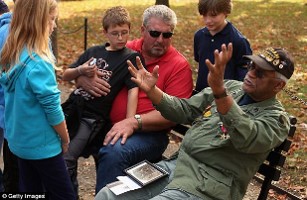
If you ever meet a WWII veteran, stop whatever you are doing and take them out for meal and bring your family.   They have been called the GI generation.  The greatest generation ever born as they lived through the Depression and WWII.  They have stories to tell

Which is the trail tip we can learn here; everyone has a story to tell.  We can engage and hear the stories of others by asking questions.  Questions that may seem a little upfront to some people, but you will be surprised by the responses you get as people start to open up and share their stories.  When meeting someone for the first time, we tend to go the route of asking questions like: “What do you do for work?, Where do you live?, Married? Kids?, How is the weather?”  And you get answers that are more fact based and bland.  So I challenge you to try a new approach with questions like: “Tell me your story?, What have been your biggest challenges this past year?, What have been your biggest successes this past year?. What excites you?, What drives you?, What challenges are you facing now?, How can I help you?

These are all questions that cut across our hiking, personal, and work life.  And while asking the right questions are important, it’s just as important to know the right environment to ask the questions.  At a dinner table event with 10 people, you are not likely to get a lot of openness from other people.  However one on one during a walk or a hike, people tend to be much more open because there is time for moments of looking at the surroundings while reflecting on responses to give.

Veterans Day on November 11th is a reminder that we need to honor our veterans/active duty military personnel and take time to hear their stories; be it on Veterans Day or any other day of the year.  And the process to start this is very easy to do.  When you are out and see someone in their uniform, here is a dialog guide; Start by thanking them for their service to our country., Ask them where they have served?, What they are doing now?, What is one of the lessons being in the military has taught them?, and dig deeper if you have time.  I know people who have done this and while hesitate at first, they were surprise how easy it was to do and the strong positive response they got from the person

I close this trail tip with a BIG “THANK YOU for your service to all the veterans” that may be reading this tip.

The Lessons on Relationships from Veterans Day.. a trail tip The second of three trail tips on Veterans Day

treaty

Understanding Veterans Day and it genesis from WWI is an exploration of relationships; from which we can learn several lessons

Understand the reasons behind the decisions people make.  The United States didn’t enter WWI until 1917 as there was a large peace movement taking place in America.  I personally believe that one of the drivers for this was because as late as 1910, about nine percent of the American population had been born in Germany or was of German parentage, as 2.3 Million Germans immigrated between 1881 to 1910.  Many Americans didn’t want to be in the War because they had immediate family in Germany.  I think of my grandfather, Samuel Schakat who came to America in 1907 from Germany at the age of 14.  So in 1914 when the war broke out, he would be been 21 and thinking if we go to war, he could end up fighting against family members and friends still in Germany.  So when someone doesn’t want to go on a certain hike, do personal activities or things at work; take time to meet with them one on one to understand the deep reason(s) behind their decisions

Know the cost of your alliances, friendships, and business partnerships.  WWI started as a dispute between two countries (Austria-Hungary and Serbia) over the assassination of Archduke Franz Ferdinand and his wife.  It grew to a war with 15 countries and over 16 million deaths because of all the alliances that were made.  In your hiking, do you know where the line is for when you will turn back from a hike while your friends want to keep going?  How far will you take friendships in your personal life?  Do you know when you will say NO to activities they want to do?  What lines have you drawn at work for things you may be asked to do?

Push for closure in everything you do.  The Armistice on November 11th, 1918, was only the cease fire.  The war itself didn’t end until the Treaty of Versailles was signed on June 28th, 1919 formally ending World War 1.  This compares to the Korean War, where an armistice was signed in 1953, but no peace treaty was ever signed.  Thus the problems we are still seeing with North Korea 64 years after the armistice was signed because one could say we are technically still at war with them.  What things do you need to bring to closure in your life?  Are there hiking trails, projects, training, etc., that you need to finish, so you can quit wasting time thinking about them

Be gracious in your victories.  The Treaty of Versailles placed a heavy burden on Germany to repay other countries for the cost of WWI.  This caused resentment and national pride to rise in Germany, setting the stage for Adolf Hitler and the beginning of WWII; verses the Marshall Plan after WWII, which helped rebuild Germany.  How do you respond to others in your victories?  Do you have a prideful attitude or are you gracious and humble in your successes

Be nice to your relatives.  The Kings of England, Germany and Russia were all cousins; being grandsons of Britain’s Queen Victoria. [Queen Victoria was called the “Grandmother of Europe as many of her children and grandchildren married into the royal families of most of Europe.]  So you could say that WWI was a family feud that got out of control.  Have there been events in your hiking, personal, and work life that have strained relationships around you?  What has been the physical, emotional, and financial cost of damaged relationships?  What will you do to start the healing process?


Understanding Veterans Day… a trail tip The first of three trail tips on Veterans Day

happy-veterans-day-thank-you

Veterans Day is only about two weeks from now, but how many of us have yet to give it any thought and think about: why we have it, the significance of it, what we should be doing “differently” on Veterans Day, and what can we learn from it

To understand Veterans Day, we need to look at it in the overall context of WWI (initially called the Great War) which was the largest war that the USA had fought in since the Civil War and it was the first world wide military conflict.  It was started when the Archduke Franz Ferdinand, heir to the throne of the Austria-Hungary was visiting Serbia and was assassinated by a Serbian Nationalist on June 28, 1914.  Austria-Hungary demanded that Serbia wipe out the terrorist cells in Serbia, but Serbia refused. So Austria-Hungary invaded Serbia to take out the terrorist groups. [Sounds a lot like what is happening in the world today.]  While it started as a small conflict; because of the Alliances and joint defense agreements, it quickly became a world wide conflict with the “Central Powers” of Austria-Hungary, Germany, Turkey, and Bulgaria fighting against the “Allies” of Serbia, Russia, France, British Empire, Japan, Italy, Romania, United States, Greece and China.  Note that the United Stated didn’t enter the war until 1917 -but more on that in the next trail tip.

Veterans Day was originally called Armistice Day, marking the armistice signed between the Allies of WWI and Germany for the cessation of hostilities on the Western Front.  The fighting was stopped on the: 11th Month, 11th Day, and 11th Hour [of 1918].  The concept for Armistice Day was to make it a celebration (of the end of the fighting) observed with parades, public meetings and a brief suspension of business at 11 AM.   Not unique to the United States, it is also observed in Canada, England, New Zealand, France and other countries.  Before or after WWII, the name was changed to Veterans Day in the USA and Remembrance Day in some countries.  The difference being that outside of the USA, it specifically for honoring those killed in action, while In the USA, it is set aside to thank and honor all who served  honorably  in the military in wartime or peacetime, living or dead.

Did you know?

  1. The Uniform Holiday bill in 1968 was passed to make Presidents’ Day, Memorial Day, Columbus Day, and Veterans Day; all three day weekends, which made Veterans Day fall on October 25th in 1971 and created a big mess.  It was then changed back to November 11th in 1975.
  2. Daylight Saving Time was started in WWI to provide more evening working hours and save fuel.
  3. The Influenza Flu Pandemic spread from soldiers return home from the war and between 1918 through the end of 1920, an estimated 50 million people were killed by this flu outbreak with 500 million people (one third of the world) being infected by it. There were 675,000 Americans that died  because of this flu verses 53,513 soldiers killed in action.  And 25% of the USA population had this flu.  Other countries were hit hard as well, for example, India lost about 17M or 5% of population of it’s population at that time.

A trail tip that comes from understanding Veterans Day, is the awareness that we become richer people when we have a better understanding and appreciation of events around us.  In hiking there are events like the Leadville Trail 100 mile race and the Pikes Peak Marathon.  Do we ever stop to find out how these races were started and what was going through the minds of the organizers when they started them?  In our personal life, do we ever stop to reflect on the meaning and history of other Holidays: Labor Day, Presidents’ Day, Martin Luther King Day, Columbus Day; all important holidays that many of us pass by without giving much thought to them.  In our “politically correct” world; these Holidays need to be examined in the mindset of the people at the time they were started, so we truly understand their significance at that starting moment.  In our work life, there may be special days marking milestones in the company we work for or they have a rich history that we know little or nothing about.  Getting answers to these questions will provide more color and life to our world and make us the better for it.

The Frustration of the Gap…. a trail tip

IMG_3916

Stress, Anger, Disappointment, Depression, Resentment, Tension, Frustration; all words most of us have carried or may even be carrying right now.  And for many of us, we are carrying them because of the Gaps in our lives.  That gap between where we had hoped our lives would be and where it is right now.  And until we verbalize where our lives are right now, we will not be able to take the actions to narrow the gap with steps based on what we can control verses cannot control.  The reality is we cannot change the things we cannot control.

In hiking the gap can be between what we want our hiking to be with: speed, distances, times out per week, specific hikes, mountain peaks, etc.; goals and bucket list items that we have set before us.  Then there is the reality of where we are today in each of these areas; with the frustration or _______ that comes from not being able to get to those goals.  It is key to understand and focus on what we can verses cannot control.   For example; in hiking, we cannot control: the weather, effect of age, other people hiking with us, day light hours, etc.  But we can control: the priority we place on hiking, dressing properly for the weather, reducing the chance for injury (having proper shoes), picking “plan B” hikes, etc.  I used to run marathons at an 8:30 minute mile pace and half marathons at an 8:15 minute mile pace.  Now I’m happy to be trail running at a 13 minute mile pace.  I’ve accepted that age has slowed me down, but I’m not letting age stop me from getting out hiking 3 times per week.

In our personal life, the gap is often centered around relationships and how we thought our kids would turn out.  We have this ideal vision of family and friend relationships, along with having perfect kids -at least that’s what we see on Face Book.  Then we look at our lives and may see that: family relationships are broken, neighbors are lousy, kids are failing in school, etc. Here we must realize that we cannot: fix other people, decide life events for our children, make them study harder, etc.  However, we can decide: how we will react to other, the tone of our voice, the effort we put into the relationship, and our intentions.

In our work life, many of us have goals about being in the perfect job, having the “right salary”, staying employed, retiring early, etc.  Then the gap starts to widen.  We don’t get the promotion, annual raises become minuscular, our ideas get shot down, or we get laid off.  And we wake up wondering how we every got into this situation.  The shock, anger, and resentment can flood in; if we are not careful. Here we need to realize that a lot of things are out of our control, so we need to stay away from them and focus on what we can control.  And the first one is our attitude; it’s about choosing how I’m going to respond; am I burning bridges and flaming others?  Or do I make that extra effort to give a positive response.  Am I willing to make the effort to: get new training, improve my LinkedIn profile, expand my network, and stay focused on finding that new job?  All things that I’m personally in the middle of right now.

We all have these gaps in our lives across the areas of hiking, personal, and work.  Understanding these gaps start with owning and verbalizing [to a close friend] the reality of where we are and where we thought we would be.  Then it becomes a matter of focusing on the things we can control and letting go of what we cannot control; with making an action plan for these items I can control with accountability to other people.  By focusing on the right things; the ones we can control, we will start to see a reduction in the: Stress, Anger, Disappointment, Depression, Resentment, Tension, and Frustration; that we carry around with us.

I would like to thank Bill Eich and the team at http://roadtripdads.com/ for providing the inspiration for this Trail Tip.


Are your Windows of Opportunity open or close…. a trail tip

window opportunity

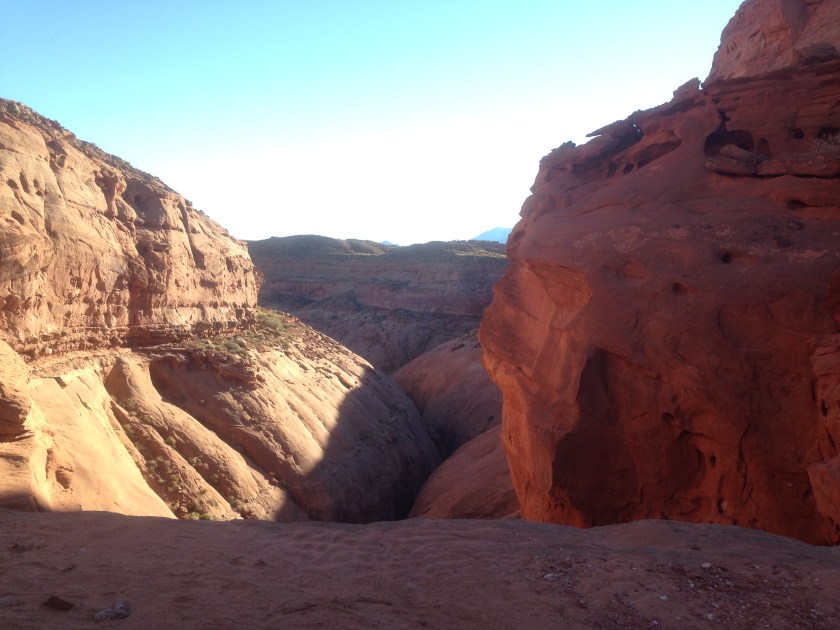
A Window of Opportunity is the time when an opportunity is available for a short time, then the window closes and it is no longer obtainable.  These windows may exist on an annual basis or they may only happen maybe once or twice in a life time.  The questions that arise are thus: Do you know if you are in a window of opportunity to do something in your life at this moment?  Do you know when windows around you will open or close?  Do you know if that window will happen again?  Am I staying informed about the windows that may exist around me?

In hiking; weather and trail construction are a major cause for the Windows of Opportunity that may exist around us. This is especially true for those who want to hike or drive to the top of 14’ers (mountain peaks above 14,000 feet) in Colorado.  Recently my daughter was out visiting and decided in September to drive to the top of Mt. Evans, only to find the road above 12,000 feet was only open from Memorial Day to Labor Day.  Then there is the snow, as many peaks start to be covered with snow in late September.   My plans this year to hike the Grand Canyon Rim 2 Rim got delayed to late October and then we found the entrance to the North Rim may not be open after October 15th, so the trip is now being delayed until next year.  Locally the iconic Manitou Incline closed for repairs August 19 till mid-December.  Yet there were many hikers showing up in late August, not having any idea it was closed.  They didn’t know that window had closed.

In our personal life, I think of Windows of Opportunities that exist with people or events.  We often brush them off, thinking there will always be another time.  This is especially true with words and healing that need to take place with those around us.  How often have we thought; I’ll talk to them next time I see them and make things right.  Only to realize that was the last time we ever see them alive.  We often discount the words we speak, until we realize it’s the last words someone may ever hear from us. Or the relationship may get hurt so bad, they never speak to us again.  I have three children still at home and I often take the time with them for granted.  Yet; day by day, year by year, my window of opportunity to impact their lives is ever closing.

With events in our personal life, I think of the recent Total Eclipse that took place across America.  A once in a life time Window of Opportunity event that I took as not being that significant, rationalizing that I’ll still see a 90% eclipse from my house.  Only to realize that there is a huge difference between 90% and 100%; and that we should have driven the 300 miles to see it.

In our work life there are a number of Windows of Opportunities that come and go.  The problem is that we don’t see them as opportunities.  I have been laid off for almost four months now, am totally engaged in finding a new job, and am not looking at the other opportunities that may exist during this window of being laid off.  Should I be taking the family on a road trip see a new part of the country? Should I be dedicating time for new training such as the PMP or other Certifications?  Should I be taking a part-time job to see if there is another career field I should explore?  All hard questions I need to be asking and answering…

What are the Windows of Opportunity that are existing in your life right now?  Do you know when they are going to close?  What are going to do today to begin to seize the openings in those windows and take advantage of them?  And what are the Windows of Opportunity that are going to be opening for you in the next 3, 6, and 12 months?  Will you be prepared to take advantage of them?

Embracing the Switchbacks…. a trail tip

switchback1

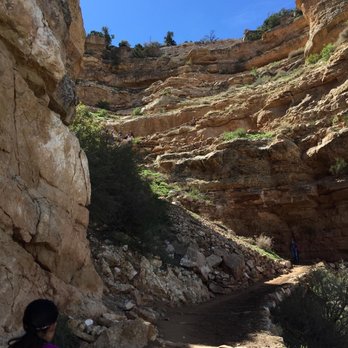
Switchbacks: something that can cause a detour on our way to our goal; because when we set our eyes on a goal, we want to make a straight line for it and get there as soon as we can.  But once we start on the path, we too often encounter switchbacks that can seem to move us backwards or take us to places where we can’t even see the goal anymore.

With the new goal I got this past summer to find a job when I was laid off; I wanted it fast, so I set my eyes on the goal and headed straight for it.  Then came the switchbacks… All wrapped up in this word called “Time”, because I started spending a lot of time waiting for: the response to the application, the first interview, the second interview, and a decision.  And since mentally you can only apply for so many jobs each day, I needed to use and look at this time on the switchbacks in a positive way in my hiking, personal, and professional life.

In hiking, the extra time is being used to explore new trails and start hiking with/leading group hikes with the Facebook Monument Hiking Group.  Over the summer, this hiking community has grown and become stronger as we found ways to help each other stay safer on the trails.  I’ve also come to realize (more than ever) the mental and physical therapy that comes from trail hiking.

In my personal life, time became an opportunity for a long weekend away with my wife and to be able to help drive my daughter and two-month-old grandson back to Nashville.  And the drive itself from Colorado Springs to Nashville had its own switchback as her car broke down in the middle of Kansas.  We ended up renting a U-Haul truck and car trailer for the last 700 miles of the trip.    Not part of my initial plan to get my daughter back home, but a switchback experience (broken car, 100 degrees, middle of Kansas, two-month-old grandson) that will be remembered with lessons to help on future journeys.

In my “work” life, the time on the switchback is being used to hone my resume, improve my LinkedIn profile, do on-line classes and take my networking to the next level.  I have and continue to learn lessons during this journey that I know will be helpful to others as well.

The time on switchbacks can be hard and we have to resist the urge to not keep moving.  There are days where I applied for 5 jobs and then get 10 rejections from previous places I applied for.  Yet, I knew the next day, I need get up and start applying again.  Sometimes on switchbacks, we can no longer see the goal or we get to a part of the trail where it’s pretty level; so we want to stay there.  This happens to me with hiking, as I think I could be out hiking every day and working on hiking the 1,313 peaks above 12,000 feet in Colorado.  But that doesn’t get me to my initial goal, so I need to keep moving.  And then in my personal life, there is a tendency to be consumed with house projects, trips, and other activities that prevent me from staying focused on the initial goal.

It’s easy to lose focus on initial goal and get comfortable or just give up as we traverse these switchbacks.  How are you spending your time on the switchbacks in your journey?  Who are you talking to about them and who is walking along side of you?  I end this trail tip with a personal thanks to Brad Argue for the inspiration for this tip.  A close friend who has journeyed many switchbacks with me.