Who is in Your Constellation…. a trail tip

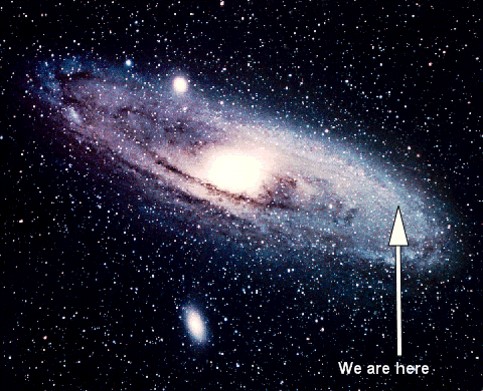
You are here

With the focus last month (August) on the total eclipse, let’s continue to look toward the sky and spend some time looking at our Constellation as the stars provide us analogies that can be applied to the types of people we need in our lives as we go on our journeys in Hiking, Personal, and Work life.  Because while the Big Dipper is always there, year-round; other Stars, Comets, Planets, Moons come and go over time.  And to understanding them, we need to look at them in context of:

Seasons/Time of Life: With the earth being close to the edge of the Milky Way, we see into the Milky Way during the summer with a whole swath of stars.  And friends may vary by the season of life we are going through.  I know in hiking, there will be more friends ready for a hike in the summer verses winter.

Time of night: People on the east coast and west coast can look at the moon at the same time, but they will have different perspectives and see it in different positions.  And in the same way, friends in our lives can be looking at us at the same time and get different perspectives of something we are going through because of where they are in our lives.

Comet Contacts: Most of us will only see Halley’s Comet once in our life time.  And we need to be ready when it’s coming.  We also meet people we may only see once in our life time and we need to be ready with questions to ask at those moments.  In hiking, I think of people I may meet who have hiked Mt. Everest or Kilimanjaro.  Do I know what I would like to ask them?  In our personal lives, I think of WWII veterans.  They experienced a time in our history that I’ll never go through.  What would I want to learn from them?  In Work life, there may be CEOs, Inventors, etc., who I may meet by chance.  Do I know the types of questions I want to ask and learn from them?

Star/Planet alignments:  At times, multiple stars/planets will form alignments in the sky that make them easy to see.  We also need to watch for those alignments when there may be several people speaking into our lives about things we need to be doing or changing in our lives.

Pull of Planets:  In Fundy Bay, Nova Scotia, the tide moves in and out twice a day changing the water level by almost 50 feet.  So, if you are in a boat or hiking on the shore, you need to anticipate and be ready for the tide change or you will be left in places you don’t want to be.  And when people are speaking into your life, you need to be ready to move.  I think of hikers being above tree line when a lightning storm is coming in or in your work life, when you can start to see changes, but don’t move quickly enough.

Distractions: Often we can’t see stars clearly because of light noise or not taking enough time to let our eyes adjust to the environment.  Distractions like: multitasking, being in a hurry, and clutter; can prevent us from “seeing” the complete message that people are trying to impart into our lives.

Seeing our History: When we look at stars, we are seeing light from stars that can be 1000’s of years old.  To understand why we do certain things or act in certain ways, we may need to look back at our own history to see events from our childhood to better understand why we do what we do.

The people in our lives are like the stars we see; they all have different roles and come into our lives at different times.  Take some time this week to understand the roles and identify who may be filling that specific star position in your life.  Who is going to: Challenge you, Connect you to others, Sponsor you, Coach you, Be your Confidant, Be your Ally, Be an Expert for you, and Encourage you in your Family life. And once that is done, begin to think about what type of star role you play in the lives of others.

Touching the future…. a trail tip

IMG_8026

I’ve been told that holding a grandchild is like no other experience and now I understand why.   A week ago, I held my two-month-old grandson for the first time and realized I was touching the future.  Because in 30 to 40 years I’m going to die and this grandson will be at my funeral; [hopefully] saying nice things about me and moving into a future that is beyond me.

We also touch the future by what we create.  In the book “The Gifts of Imperfection by Brene Brown, she states: “The only unique contribution that we will ever make in this world will be born of our creativity.  If we want to make meaning, we need to make art.  Cook, write, draw, doodle, paint, scrapbook, take pictures, collage, knit, rebuild an engine, sculpt, dance, decorate, act, sing – it doesn’t matter.  As long as we’re creating, we’re cultivating meaning.” And with our art, we touch the future, because these things will transcend time and live beyond us.

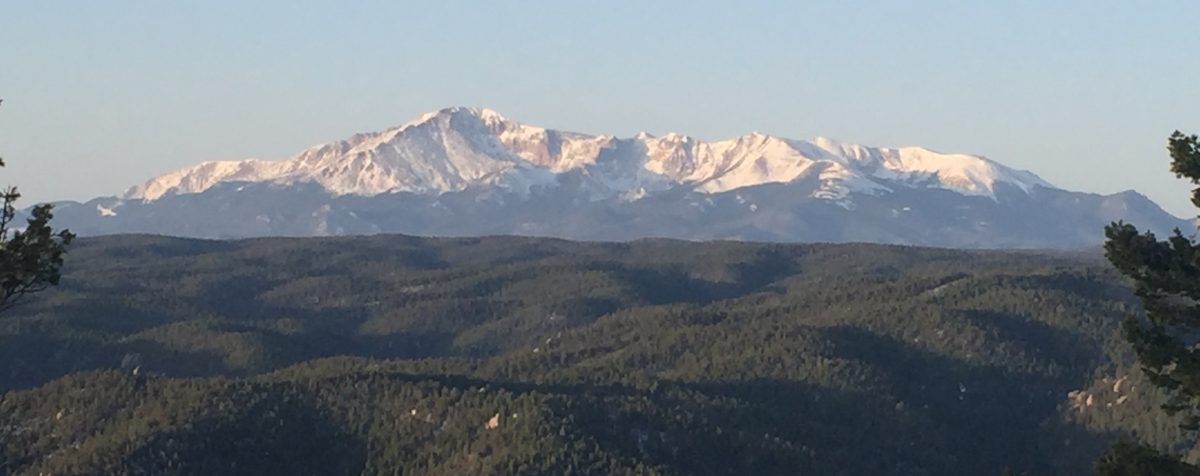
In hiking, we touch the future by what we share about what we have learned from hiking different trails.  I think of Fred Barr who defined and built the trail up the east side of Pikes Peak almost a hundred years ago. Every time I hike Barr Trail -along with the hundreds of thousands other hikers- Fred is reaching out beyond the grave to touch the future.  And this also applies to all the other explores who set the trails on all the 14’ers and 13’ers in Colorado.  Today, we have “14ers.com” and “The Manitou Incline, Everything’s Better on the Incline” as examples of Face Book pages, where we can touch the future as we share our stories and pictures from hiking that will touch others and help them as they hike more safely and “discover” new trails.

In our personal life, we can touch the future by the: stories, writings, and other forms of art we leave for the next generation.  At my funeral, I can image my grandson will be able to read this trail tip from the book “Trail Tips – Inspiration for your journeys on the Trail, Personal, Work Life”, by Al Andersen. Like touching my grandson and writing this book, I’m touching the future because of the imprint I am able to leave on others.

In our work life, it’s often more than things we create.  I think of all the videos I’ve seen on buildings that have been imploded to make room for “bigger and better” buildings (or even parking garages).  Countless hours/weeks/months spent making sacrifices and with nothing to show for it years later.  Hence, I think it’s more the: words we speak, culture we cultivate, and written words; that will touch others and their future.  It’s taking the time to: instruct, mentor, lead, challenge, and guide those around us in our work environments.  Imparting our knowledge, so others can have a better future.  My son-in-law told me the story that while working at the Water Treatment Plant in Chicago, his co-worker and him had to pull up records from the 1920’s and they were surprised to find that the co-worker’s grandfather was the author of the diagram.  So here is an engineer documenting the placement of water pipes almost 100 years ago, that will be read by his grandson 90 years later.

At one time or another, most of us have all thought about immortality; what is would be like to live forever.  Movies, TV shows, books have all explored this in this in different ways.  Holding my grandson for the first time, brought home the reality that we can all “touch the future” by: holding our children/grandchildren, the words/stories we say, the writings we leave, and the example we live.  Or as Rich Mullins wrote in his song “Boy Like Me/Man Like You”

Did they tell You stories
’bout the saints of old?
Stories about their faith?
They say stories like that make a boy grow bold
Stories like that make a man walk straight

When a Trail Closes… a trail tip

inclineMt HerrmanPikes Peak from HermanMt Herman wind sockrope route

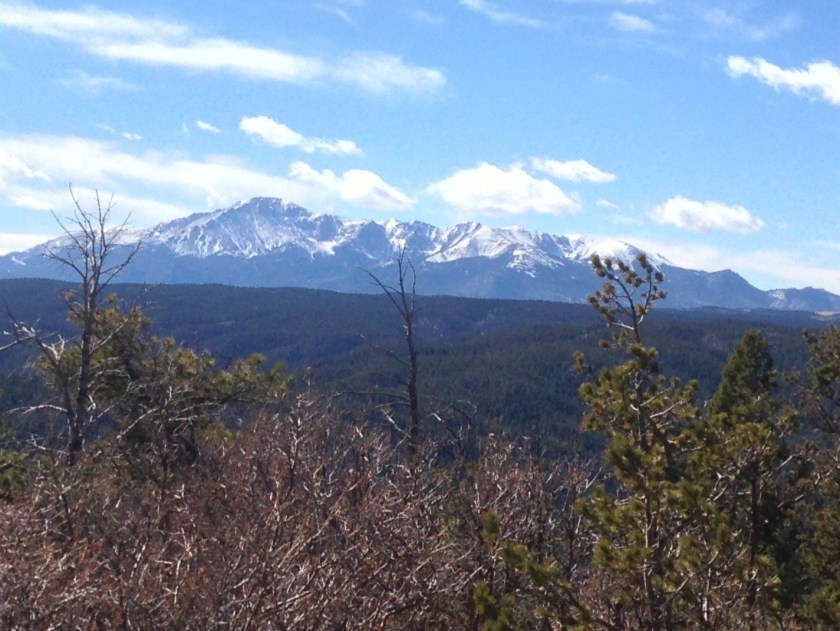
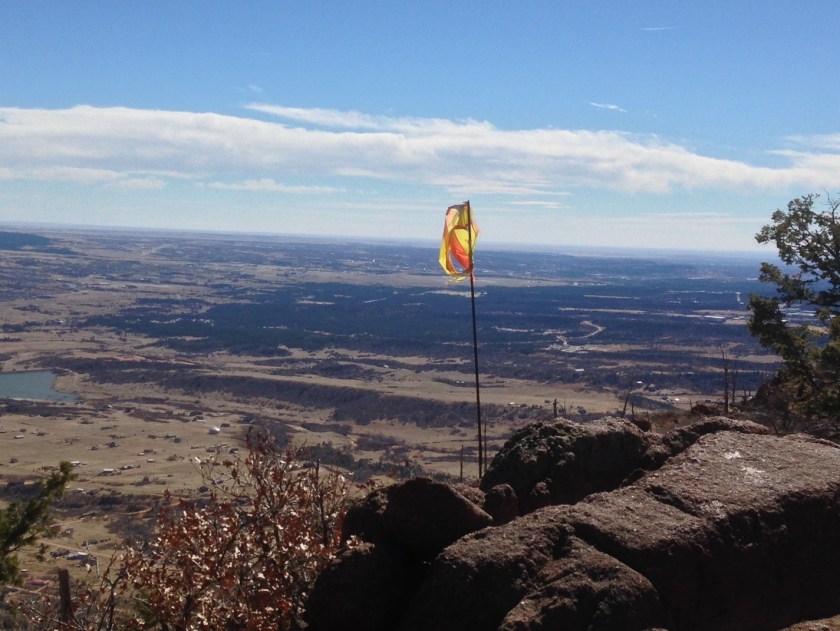
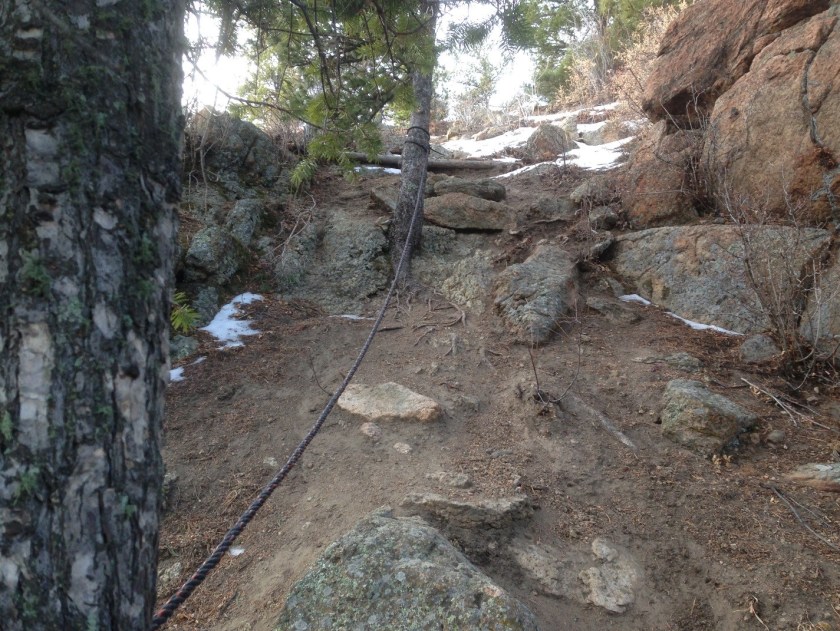
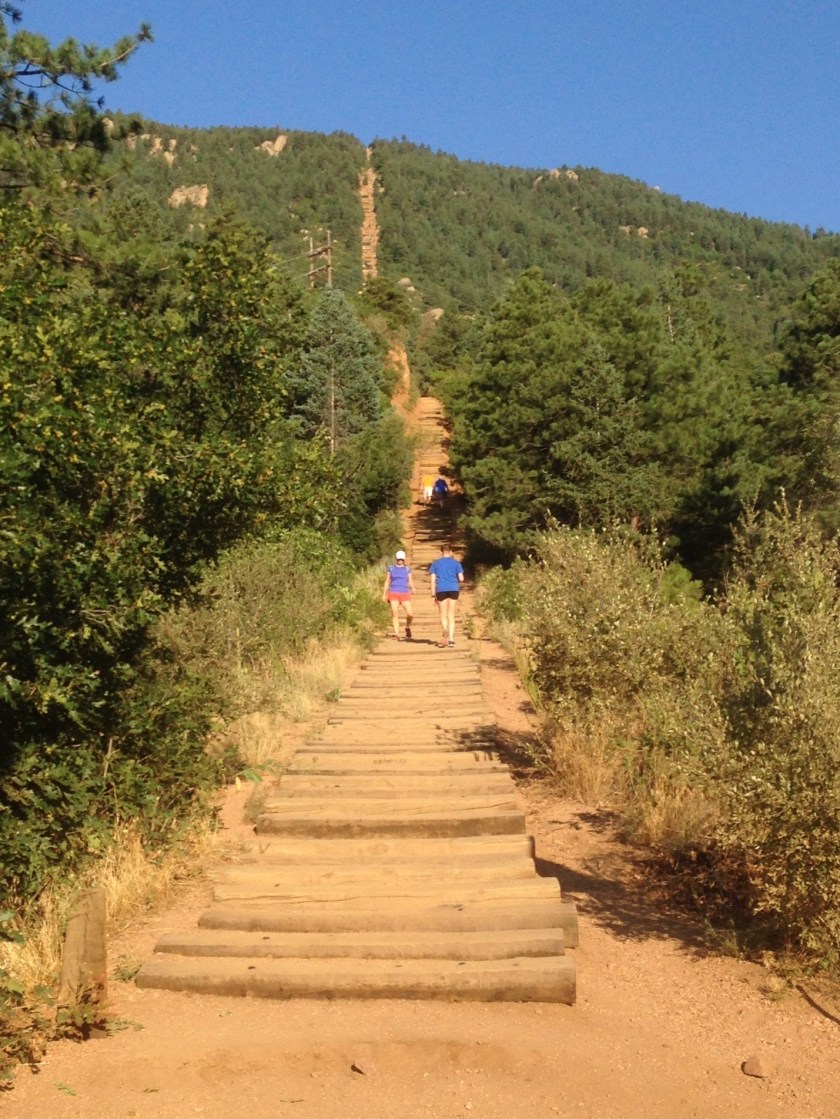
We all have our favorite trails.  And one of favorites in the Colorado Springs area is the iconic Manitou Incline; climbing 2,000 feet (6,600 to 8,600) in .9 miles.  So when it closed for four months last year, everyone (myself included) were in withdraw as we had no idea where to find another trail that would give us the same type of heart pounding intense workout.  And let’s face it we all hate change; we are comfortable doing the regular trails we hike month over month.  Yet we know change often opens up new trail opportunities and areas for growth.  Many of them “right under our noses.”  It took a while, but two months after the incline closed we “discovered” the trail on the east side of Mount Herman, which is a 9,100 elevation foothill mountain that I see every time I leave my house.  But I never noticed the trail because I was comfortable with my Manitou Incline.  While the Incline did help prepare me for the Mount Herman trail, it still required me to still learn new climbing skills and techniques as the route is steeper than the Incline in many sections.  It has become my new favorite trail and oh the views…

In our work/personal life, most of us have faced trails being “closed” which can consist of a job loss, death of a parent, accident, or other major life changing event. These force us into a change we didn’t expect and don’t want to accept; because we don’t like change!  Yet – like in hiking – change can be rewarding when we accept the reality of what it can offer us.  In my work life; the biggest change was the layoff from Alcatel-Lucent (Nokia), accepting a position at Cognizant, and moving to Monument, CO.  This changed opened up the opportunity for me to develop a Mentoring Program in Cognizant, become an avid hiker, and start these “Trail Tips”.  All new skills I would not have learned if the Alcatel-Lucent trail had not closed on me.  On the personal side, having my mom pass away, put me in the position of being the “elder” of the family tree with my remaining brother and sister.  This caused me to take our relationships more serious and be intentional about staying in touch and seeing each other.  We are now closer than we have ever been before.

The closing of a trail can: cause us to seek out new opportunities that we would have never considered, give us the chance to learn new skills, and challenge us to look at the direction of our life from a different perspective.  What trails have closed in your life recently?  Are you still in denial about their closure; hoping they will reopen or have you embraced the change with all the possibilities that are now open to you?

Show me your friends and I’ll show you your future…. a trail tip

Dirt Friends“My success is not because of who I am, but because of whom I come to know”
My last three trail tips have focused on the impact of a broken leg accident that happened to me four years ago.  I’ve touched on: Getting Prepared, Recovery, and The Cost of Being in a Hurry.  And now I’ll finish out this series by touching on the importance of having a network of friends who you can rely on in time of trouble.   And I’m not taking about the 1000 friends you may have on Face Book or the 500 contacts you have on LinkedIn.  I’m talking about the network of friends that you do real life with; it’s your: Dirt Friends, New Friends, and Weak Link Friends. 

Dirt Friends are the ones that have been around forever with me and like me they are “as old as dirt”.  I can say a simple phrase to them and it will invoke a memory from 20 years ago. They have walked through the good times, hard times, dry times and flourishing times and have “stood the test of time.”

New Friends are the more recent ones; which in my case are the ones I’ve gotten to know since moving to Colorado in 2010.  I’m starting to do life with them; so we engage in activities and during those times, share our pasts and discuss future hopes and dreams.

Weak Link Friends are more like acquaintances or people you know that operate in different worlds/social structures.  During a time of recovery, “we can rely on them to give us access to opportunities and worlds to we don’t belong,” The Tipping Point, by Malcolm Gladwell.  My neighbor who is a retired orthopedic doctor is an example of a Weak Link Friend.  After my accident, he went through vivid details on how they put the titanium rod in my tibia and offered other tips for recovery.

All of these friends helped me in different ways during my recovery: being there to visit, finishing projects for me, giving me words of encouragement, setting up a new home office, sending me cards etc. And the key here was having these friends before the accident happened.  You can’t go into a major life event and say “how do I get some friends to help me through this time.”

Now being on the other side of the accident, I have a different perspective and focus on friendships.  Hence the two quotes I started with.  Because they don’t just apply to what I have received, but they also apply to what I offer to my friends.

“Show me your friends and I’ll show you your future.” A quote from Senior Pastor Brady Boyd, New Life Church.  The friends I have and how they challenge, encourage, and keep me on track has been key to getting me to where I am today: be it in my hiking, personal, or professional life.  And I need to be the same to them.  Am I the friend that will challenge, encourage, and help keep them on the track to where they want to go?

“My success is not because of who I am, but because of whom I come to know.” A quote from Sherlock Holmes, Elementary TV show.  I am more successful with my hiking, personal growth, and professional life because of what my friends have taught me in these areas.  And am I the friend who is willing to invest in others and help them be more successful?

Friendships are improved and taken to the next level in our hiking, personal life, and professional life when I intentionally think and plan my encounters with them.  Do my friends leave a visit with me, thinking “that was a waste of time” or are they thinking “wow that was an encouraging, productivity, strengthening time together?”  I know it’s a cliché, but we really do need to be the type of a friend that we want others to be to us.

The cost of being in a hurry…. a trail tip

bill

Why are we always in a hurried state of mind?  As I look back over the mishaps I’ve had in life, many of them can be traced to “being in a hurry” and getting careless.  And while I shouldn’t dwell on the past, it is important to reflect on these events so I know what I need to do differently in the future.

Part of my hiking routine is to trail run whenever I can.  While that is ok to do, I need to pay more attention to the terrain I’m running on and to make sure I’m picking up my feet.  It’s the small things that get us into trouble: an exposed tree root, a wet slippery rock, loose gravel, an unstable rock.  Getting caught up in taking in a view, while we think we can keep running over unfamiliar terrain get me into trouble.  My mishaps on the trails over the past few years have been “simple falls/stumbles” over tree roots, then landing on my side or taking in a hard head bump.  So, if I’m going to trail run, I shouldn’t be looking around at the scenery or if I am taking in the scenery, I shouldn’t be trail running.  Hey, this sounds like a multi-tasking problem (more on that later).

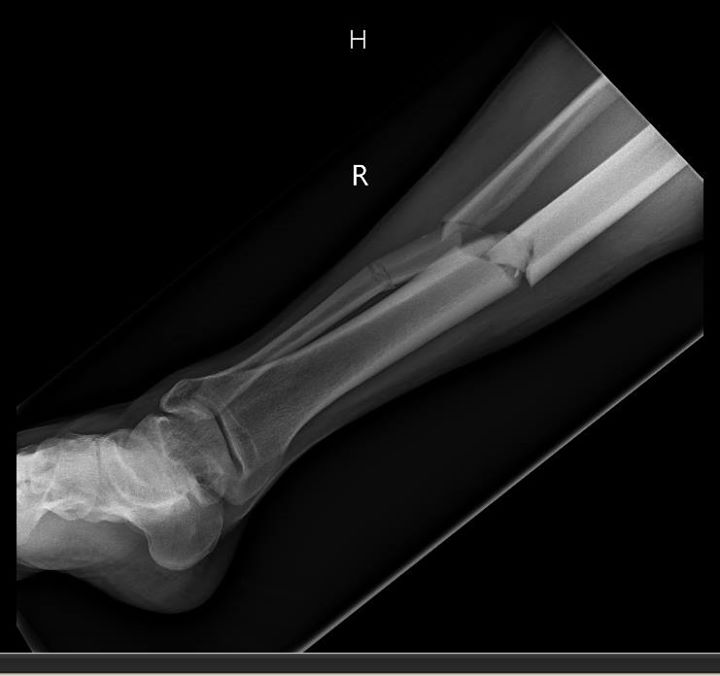
In my personal life, my hurried mishap was on August 15th, 2013 when I broke my leg.  It was going to be an evening of knocking out a bunch of tree/bush trimming.  I had bushes to trim back, tree limbs to cut off and a few whole trees to take down.  I knew it was a mistake the minute I got on the ladder with the chain saw because I was down-hill from the branch and I didn’t have anyone to hold the ladder for me.  Yet because of my pride and thinking “I’ve got all the stuff that just has to be done”, I pressed on.  And sure enough, I get the branch cut, branch falls on the ladder, I jump, my leg gets caught in the bottom rung; and I’m lying on the ground with my right tibia and fibula broken in several places.  My new rule here has become:

“What is the cheaper: a trip to the Emergency Room/Hospital or going to The Home Depot to rent or buy the equipment to do the job safely?”

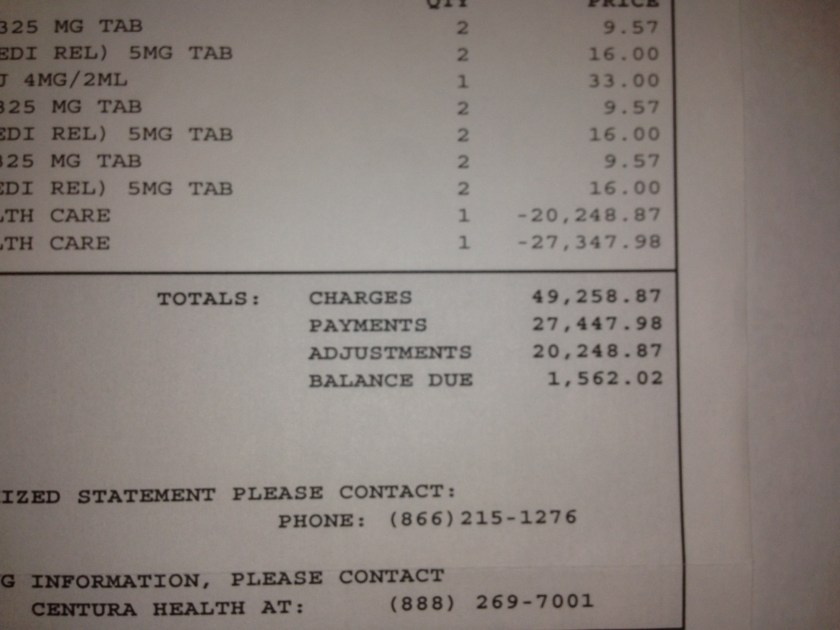
In this case, the choice was getting a pole chain saw or a mishap with surgery and a two-night stay in the hospital.  Guess which one was cheaper and which one I chose???  However, yes now they do know my name at The Home Depot rental desk.

In our work life, being hurried takes on a few forms.  The most common one is “multitasking”. And everyone knows when you are doing it on a conference call.  It’s when they hear you say: “can repeat that”, “let me call you later to recap those details”, “was that question for me”, etc.  We have this mindset of thinking we can get more done by calling into a conference call bridge and then going on mute to get other things done.  In the end, we don’t capture content of the call and have to redo the other work we were doing while on the call.  Another form of hurrying is when we are in a rush to send out a detailed email without taking the time to read, re-read, and re-read it again before sending it out.  I don’t want to count the times I’ve sent out emails without attachments or have tried to recall them.

I think one reason we become hurried is because we think we need to be BUSY all the time.  Ask people how they are doing and so many of us say we are BUSY, as if we wear BUSY like a badge of honor.  Yet when we tell them we are BUSY, we are too embarrassed to say what we are BUSY doing.  Take some steps this weekend to slow down your hurried life by trying to focus on JUST ONE THING at a time.  You will be surprised how good that can actually feel and what you can get done…

Recovery…. a trail tip

right leg xray picture 1

Ok, you just had a hard event hit your life (See my Trail Tip: “Getting prepared for the hard events that will hit us in life”); now what??? How do we start the road to recovery? If there is only one thing you should take away from this trail tip, it is what you hear on a plane.

“In case of emergency, oxygen masks will drop down in front of you. Please pull the mask down toward your face and place the mask over your mouth and nose. If you are traveling with a child, please attend to yourself first, then the child [and everyone else around you].”

If you are not healthy, how can you take care of those around you? You need to rest, realize that 80% of the stuff we are doing really isn’t that important after-all, and reach out for help on your recovery journey.

In a physical accident, the recovery starts with realizing you are going to have to rely on others to do just about everything for you. It strips away the pride you have and make you very humble. I couldn’t drive for 6 weeks and when home I had to keep my leg elevated all the time. We opened up the sofa sleeper in the family room and when guests came over, there was always at least one other person on the couch with me. Recovery is gradual and consistent. With the rod in my leg, I wasn’t put into a cast and my recovery therapy consisted of putting my right leg on a bathroom scale to gradually (over several months) put more weight on my leg. It was hard put more than even a few pounds of pressure when I first started. Recovery -like training- is a combination of exercise and rest.

In life, as we go through a death, we don’t realize how hard we can be pushing ourselves until after the event and we come down with an illness. After my dad passed away, both my brother and I both got the flu and ended up at the family doctor together (just like old times). Part of the problem is that we push ourselves through the event -which can take days, weeks, or even months- then we get back to our routine and think we can put in 20 hours days and catch up with everything; NOT! Just like recovery from a physical event; the stress on the body from a family death can wear us down and cause a serious illness if we don’t take care of ourselves. Remember, focus on only the top 10 to 20 percent of the things you need to get done. The rest really don’t matter in the long run.

In a work layoff situation, we think we need to be applying for jobs 12 hours a day. But that just isn’t possible. A job search is a very stressful period, so you need to have that balance of applying for jobs, networking, creating new contacts, exercising, and other activities to stimulate/focus your body, mind, and spirit. Accountability and discussion with a close friend/peer mentor is key to helping you stay focused.

Recovery is possible but it takes time. Time, you can only get by making your recovery (your life) a priority and saying NO to 80% of the things you think you still need to be doing each day. During this time: your focus, goals, and activities need to center around getting yourself through the recovery journey. Because then, and only then; [with your mask securely fastened] will you be able to put the mask on of those around you.

Getting prepared for the hard events that will hit us in life…. a trail tip

leg 1

I hate to be the one to break the news to you, but we all are going to be hit with hard events as we journey through this adventure called life. Be it: hiking and a physical accident, life with a death in the family, or work with a job layoff; it will happen. And the key to getting to the other side of these events is knowing what you can be doing now to prepare for them.

 
My hiking impact event was on August 15th, 2013 when I was on a ladder cutting a tree branch with a chain saw. The branch falls on the ladder, I jump, my leg gets caught in the bottom rung; and I’m lying on the ground with my right tibia and fibula broken in several places. I laid on the ground looking at a leg turned sideways; thinking I’ll never walk or hike again without a cane. Two days later I’m home from the hospital, with a titanium rod in my tibia and screws that will be there for the rest of my life. While I was given a plan for the recovery, my thoughts gravitated toward what should I have done before to get ready for this event. It’s not the initial injury that will get us down, but rather it’s if we have been living a healthy life style that will allow us to recover. It’s the: sleeping 7-8 hours a night, eating breakfast, not eating evening ice cream (what??? Rocky Road ice cream isn’t in the core food groups), aiming for your target weight, and having a year-round exercise program. The key is to have a simple exercise program that is sustainable; for me that exercise goal is hiking 3 times per week for a total of 15 miles and 4,000 feet elevation gain or 60 miles and 16,000 feet gain each month. I wasn’t able to initially do this goal, but set it out reach it over time. Having this healthy baseline (and it will vary by person) is key to recovery from injuries.

In life, a hard event we will all face is the death of parents, spouse, and possibility children. As I have walked through the passing of both my parents, my mother-in-law, and brother; I’ve come to realize that one reason we hold on and try to keep them alive is because we have unfinished business with them. Words and actions, we wish we could have shared with them. What are the words, actions, and time you need to do with those around you now? And if there is a deep hurt there, it’s going to take time, effort, energy and likely some pain to get these things right. But it is all worth it. Having made peace with my parents before their passing, I was able to speak at their funerals, and I still remember what I said about their life.

In work, a hard event will be a layoff and I have gone through two of them. Each time, I thought it would never happen to me (I’m too valuable) and I wasn’t prepared enough. For me I had become comfortable in the current job, thought I was a key person, and believed I had skills that everyone would want if I did get let go. Here are the things I’ve learned that I need to be doing now to prepare me for my next job (and the one after that). Resume – updating it and reviewing it on a monthly basis. LinkedIn – creating, updating, and posting on it. Training/Certifications – the more the better; I was able to get my Scrum Master Certification before I was laid off in June, but oh what I would give now to have my PMP Certification. Personal website – helps you take your Brand image to the next level and define who you are and the value you can bring to a company. Face Book – clean it up and check what others are posting about you on their Face Book.

Hard events! We are all going to face them with our health, personal life, and work. And getting to the recovery; starts with what you can be doing now to; get healthy, making peace with family members, and learning new skills in your profession. Make a list of what you need to do and become accountable to those around you. Let’s go from “I wish I would have” to “I’m going to start today to…..”

Daily living the Agile and Scrum [Master] Life…. a trail tip

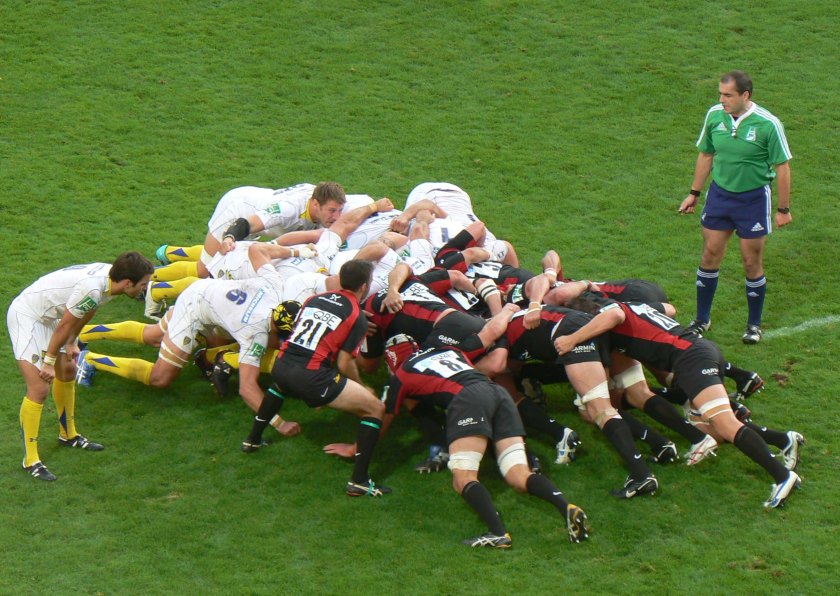
Scrum_ASM_Clermont-Saracens

Scrum – a methodology used in software development to make sure the important stuff gets done with a focus on continuous process improvement.  Agile, Scrum, Backlog, Artifacts, Sprint, Daily Scrum, Sprint Review, and Sprint Retrospect… all words that are commonly used in Scrum based software development, but are mostly foreign to everyone else because no one thinks they can apply to other areas of our lives, i.e. Hiking and Home… until now.  Below are these Scrum words with a short definition and examples of how they can be applied in your daily Hiking and Home life.

Agile: being flexible and able to adapt to changes.  In Hiking; it’s the ability to change routes or speed based on the weather or team member conditions.  At home; it’s keeping a flexible open mindset when you have plans with family, projects, trips, etc.

Scrum: a Rugby term for when a team locks arms to move as a group down the field with the football.  In Hiking; it’s moving together in unison as a team, keeping a pace that keeps everyone together.   At Home: it’s moving together with the same goals, plans, priorities.  So, may I ask you: “Are you being Scrum today?”

Backlog: a list of things to get done.  In Hiking; it’s the hikes you want to do, the 14’ers you want to climb, the new routes to explore.  At Home; it’s the books you want to read, the house projects you want to get done, the trips you want to take.  The Backlog should never be completed; it’s your dreams, goals, things you want to do in your life.

Artifacts: items understood by everyone that are used to get the Sprint done.  In Hiking; it’s the trail maps, weather reports, trail conditions.  At Home; it’s the paint colors, a garden layout plan, maps.  The key here is that everyone understands the artifacts being used, so everyone is in agreement.

Sprint: the set time to get something done.  In Hiking: it’s the time the hike needs to be done by.  At home, it’s the time determined to be finished with your project on a Saturday.  So, you can be Agile during the Sprint and adjust things, but if one thing is added, you may need to remove another item, so you can still be done by the set time.  I.e., “Let’s explore that new canyon, but we may need to skip another part or a summit, so we get off the trail before dark” or “Yes, we can finish cleaning up the rest of the garage, but the back-deck clean-up will have to wait for another Sprint.”

Daily Scrum: A 15-minute meeting to discuss: what got done, what will be done today, and are there any impediments that will prevent me from meeting the goal.  In Hiking; it’s a review of your monthly hiking goals.  At home; it should be the first 15 minutes you use to plan your day: what did I get done yesterday, what are my plans for the day, and what impediments am I going to face that will be hindering me.

Sprint Review: A review at the end of the Spring to discuss what you got done during the Sprint.  In Hiking; it’s a discussion of the trail taken, did we accomplish everything we wanted see, i.e. did we fail to summit, so we need to add that 14’er back onto the Backlog.   At Home: it’s a review of what got completed in the Sprint project, i.e., the crown molding looks great, but we need to add “filling in the nail holes” to the Backlog.

Sprint Retrospect: A review of the what worked or didn’t work during the Sprint.  In Hiking; did we have the latest weather report, did we know a stream was going to be at flood stage, did we have the proper hiking gear.   At Home; it’s deciding that we should call and get buried utilities marked before we plant more trees and bushes.

Living the Agile and Scrum life is all about being flexible and putting guidelines in place to help you get the important things done on a daily basic.  It’s taking the time to make sure everyone is in alignment on goals and doing reviews/retrospects to strive for CONTINUOUS improvements in your daily activities.

Why have a Personal Website – it’s a matter of control…. a trail tip

Control

Whether hiking or in your social media, the amount of control have you is key for success in what you want to accomplish.  So it’s important to realize the trade-offs that come with different types of hiking and the social media you are using.

  1. In hiking, there are three basic types of hikes you can do:
    Group hikes – This provides the least amount of control as you are at the mercy of the slowest hiker, group decision can be made that may veto your personal preferences, and your personal goals for the hike may not be met. Yet there is value in this type of hike because of the wisdom, comradery, connections and help others can provide.
  2. Partner hikes – This provides you more control as you are choosing a partner who is more aligned with your goals (for the given hike) and there is a sense of trust that allows for deeper conversations to take place along the way.
  3. Individual hikes – This gives you the most control, as you can set your own pace, destination, and have more time for inward reflection along the way. But at the same time, you have to be better prepared and carry everything you need for the hike. There is no one else to rely on.

One type of hike isn’t necessary better than others, they are just different and I use all three.

Our social media presence is very similar as there are three basic types of social media you can use:

  1. Facebook – This (like Group hikes) is by far the most common, easy to use, and provides the least amount of control. Others can post comments on your posts that you don’t want to be seen or they can tag you in one of their post, with the result appearing on your Facebook page.
  2. LinkedIn – This (like partner hikes) provides more control and allows for more detailed professional information to be shared. I can also see who has visited my LinkedIn page and it allows me to see more specific information about others.  As I’m in a job change point in my career right now, I can use Linkedin to see the picture, name spelling, and background of individuals for upcoming job interviews. And others can see the same about me.
  3. Personal Website – This (like Individual hikes) provide you the most control, as it provides you the most freedom for: setting your content, the Personal Brand you want to convey, and the reason for creating your site. This also takes the most work, as you have to determine your domain name, the purpose for your site, content, and other factors.

With all the hype we have around hiking and our social media presence, I think we have forgotten or have never taken the time to ask, “Why am I doing this in the first place?”  The most important thing with all these types of hikes, is to know what your hiking goals and then determine how to use all three of these types of hikes.  My basic hiking goal is to hike 3 times a week, covering 15 miles, with 4,000 feet elevation gain.  And do this year-round into my 90’s…  For social media, have you ever stopped to ask yourself “Why am I really spending all this time on Facebook, LinkedIn or your Personal Website (if you have one).  Answering these questions, will help you better know how to spend your time going forward.  And yes, I do have a Personal Website.  You can find me on the web at alandersen.co  For me it is becoming the home for all my Trail Tips (22 done so far) and other thoughts I want to share.  Or as my tag line says,

Providing inspiration for your journeys on the Trail, Personal, and Work Life

While my Trail Tips are currently on Face Book, LinkedIn, and some on my Personal Website, over time they will all reside on my Personal Website, allowing me to have the most control on the content and brand I want to convey on social media.