It’s been said there are three phases to interactions with those around us. We start in the PRESENT, go into the FUTURE, and learn/create a HISTORY as we do life together. And there is a lot to be learned about history when we consider our hiking, personal, and work lives. And knowing that History adds richness to our interactions and creates better connections.
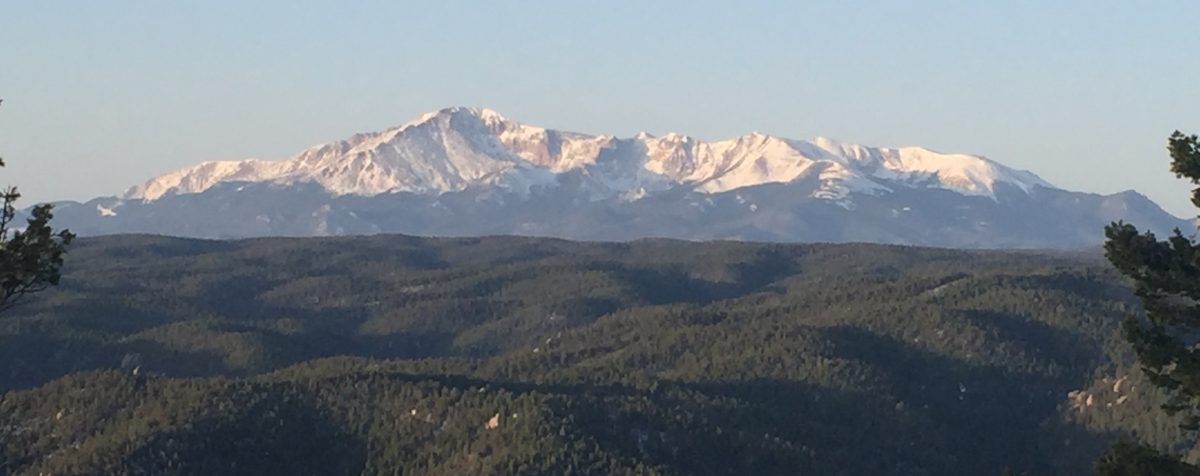
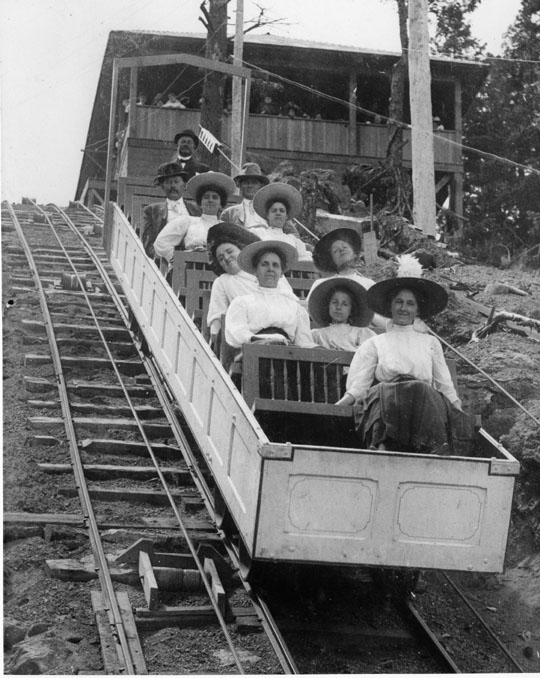
In hiking, I’m always seeking to find more information about the history and significance of the trails I hike. In the Monument/Palmer Lake area, the main mountains are: Herman, Raspberry, Chautauqua, and Sundance. Yet only on Raspberry will you find remains of small exploratory mining pits with trails names of Mule Trail and Ore bucket. And getting out on the Sidney Harrison Trail, you can find the remains of the Captain Sidney Harrison airplane crash site from 1952. At the top of the Manitou incline, you can see the concrete foundations of the station house from about 100 years ago. Completed in 1907 the Manitou Incline was a 1 mile cable tram built to support the construction of a hydroelectric plant and its water pipe line. It was then bought by private owners and became a tourist attraction. Closed in 1990 because of rock slide damage, over time it became the incline we have come to know and love today. Then there is Jones Park area (located above the Seven Bridges trail), it was a way station on one of the original trails to the top of Pikes Peak. This is just a few examples of some of the “history” that is right in our back yard; and once we know about it, it adds context and color to the hiking trails we do all the time. What is the history in your “back yard” you can learn about?
In my personal life, my family has been able to create a history and move into the future with friends we known since being in “young couples” classes at our church. Friendships that are still going strong after 35 years. Taking the time to ask others about interests, hobbies, and history creates connections for meaningful relationship and a healthier future. Or as our Pastor Brady Boyd has said “You may go faster by yourself, but you will go further with others.” Things can also serve as history to give us a glimpse into the past of those around us. In our front yard, we have a “lawn decoration”, which is a one row corn planter pulled by horses that my grandfather-in-law used 100 years ago to farm with. This has been used to start numerous conversation about how my wife grew up on a farm in central Nebraska.
In work, knowing the history of others gives a window to get to know each other better as well. I have worked; and work today with several people who have immigrated from other countries. Some have come on their own as adults, others came as teenagers with their families. And hearing their history, I reply with: “The only difference between us is about 100 years.” As both my grandparents came here from Denmark and Germany about 1905 through Ellis Island. The different being, it took months to let family back home know they made it, verses today where you could make a call or Skype the moment you landed here. This leads to greater mutual appreciation of our cultures and history, with the result being a more untied work force.
History, it’s out there in our friends, places we have seen, and things around us. I would encourage you to take some time this year -wherever you are- to learn some history about the trails, people, and things in your life. Knowing this history provides a better appreciate of everything around us and how we can better relate to the world we live in.
 Al Andersen